Retool Alternative
Built for Business Operations

Run connected operations without developing and maintaining a separate application for every workflow.

Unlimited guest accounts, unlimited records, built-in portals, and document generation.

Free Demo / Setup
Book a demo and let us set up AnyDB for you. Free of charge!

Explore how AnyDB organizes business records, operations, files, and portals

Main Benefits

Build Around Real Business Objects

Model customers, orders, inventory, projects, assets, vendors, and other operational records in a structure that matches how your business works.

Manage Complex Record Hierarchies

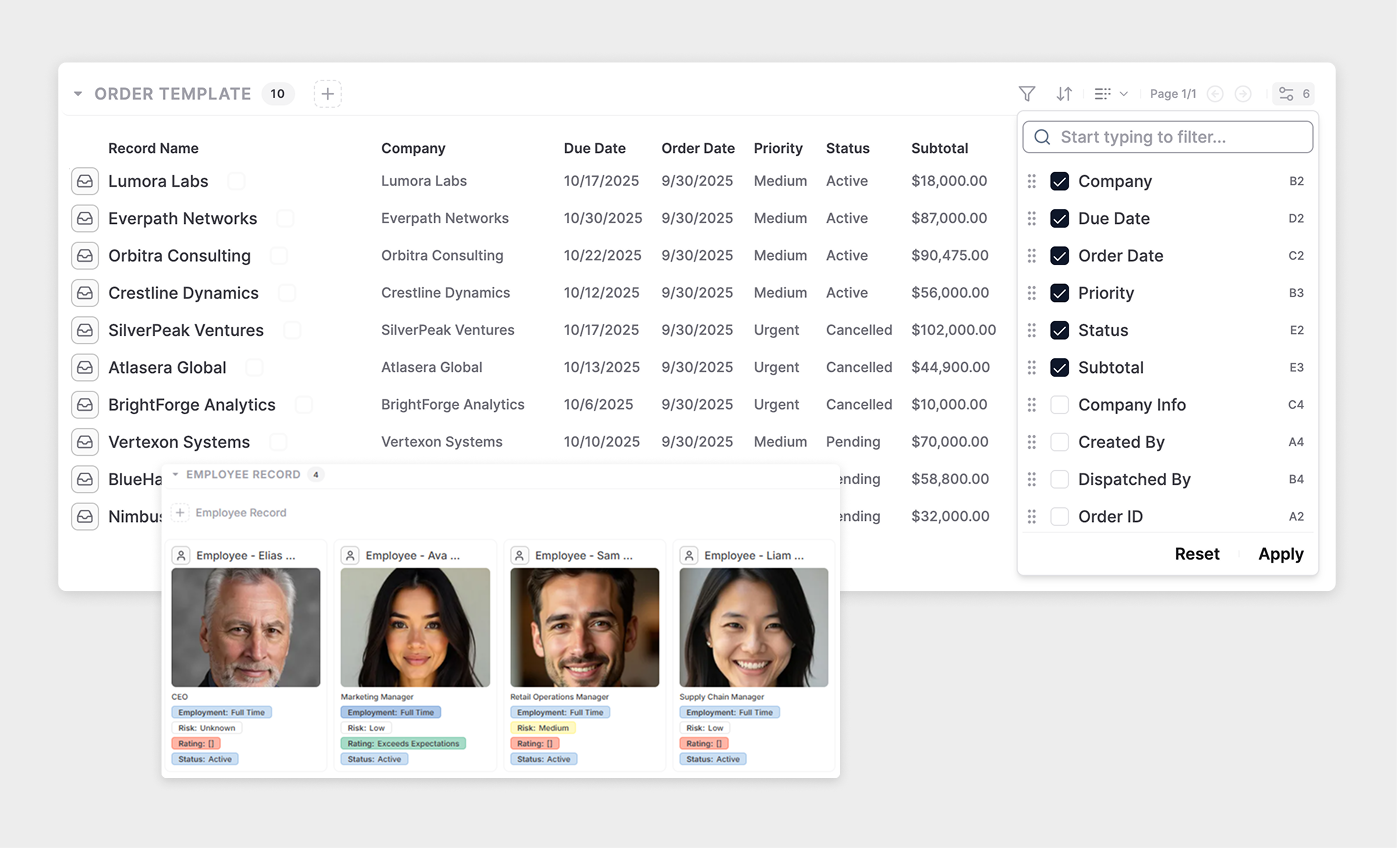
Use child records for line items, tasks, components, inspections, maintenance history, and other structured details without flattening everything into one table.

Connect Operations Across Your Business

Link records and workspaces across teams so customers, orders, files, projects, vendors, and workflows stay connected in one operational system.

Control Access Precisely

Manage access by workspace, role, record, or field so employees and external users see only the information relevant to them.

Extend Operations Through Portals

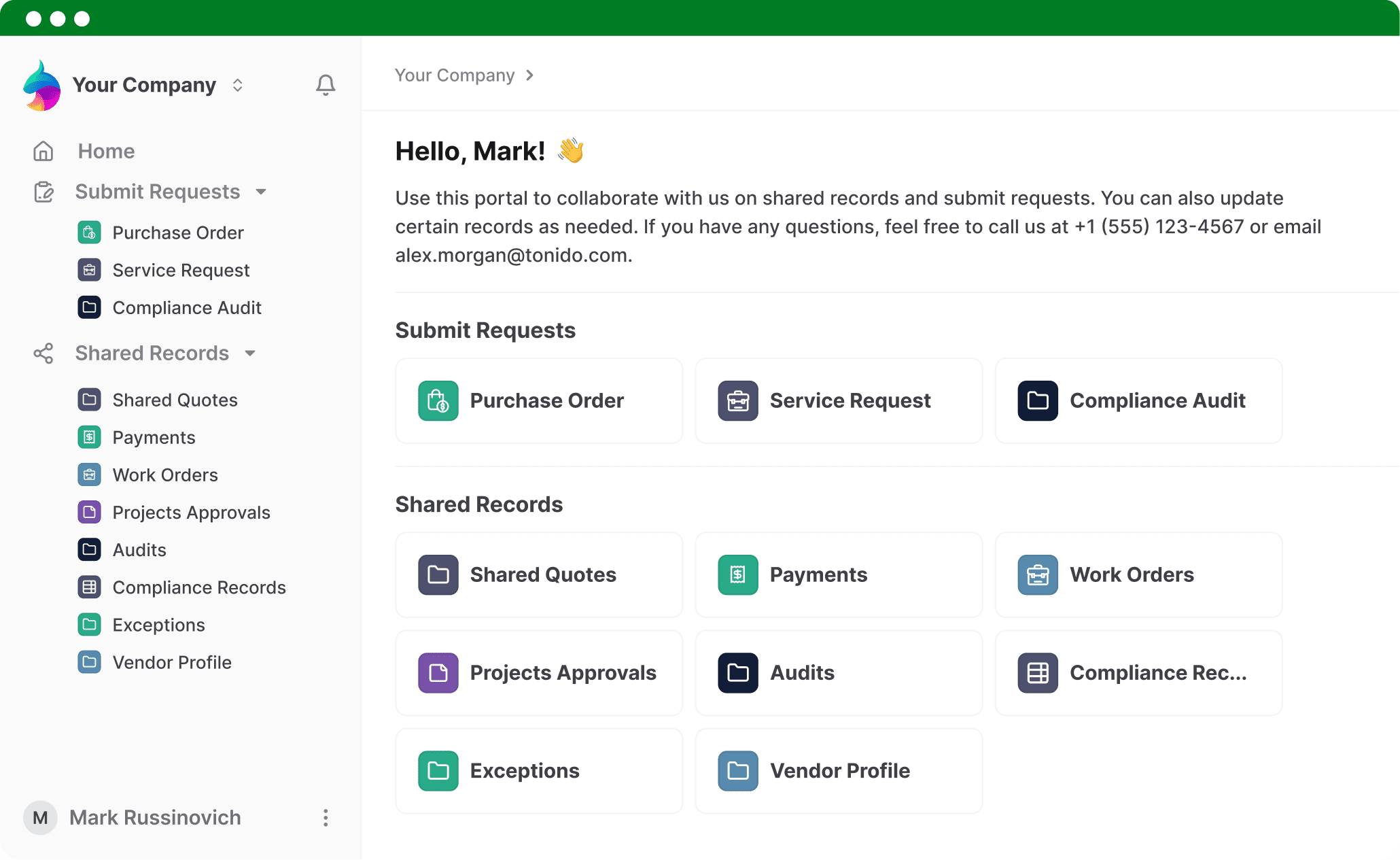
Give customers, vendors, and partners secure access to records, forms, files, and updates through built-in portals.

Generate Documents From Live Data

Create PDFs, Word documents, spreadsheets, reports, and operational forms directly from current records without rebuilding them manually.

Files, Workflows, and Data Stay Together

Keep documents, attachments, approvals, assignments, reminders, and automation connected to the records they belong to, so teams can work from one complete operational context.

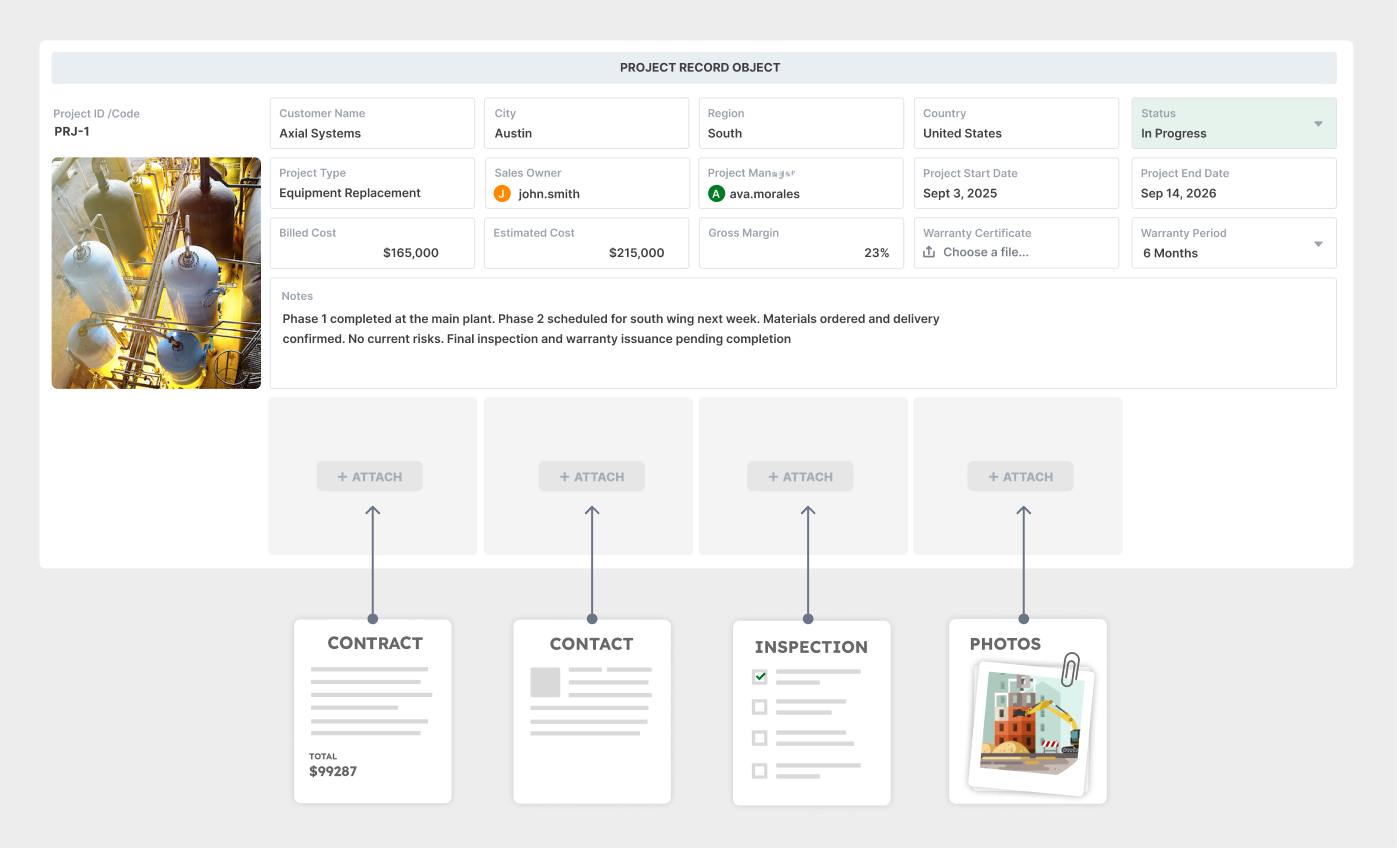
The Record Layout Is the Interface

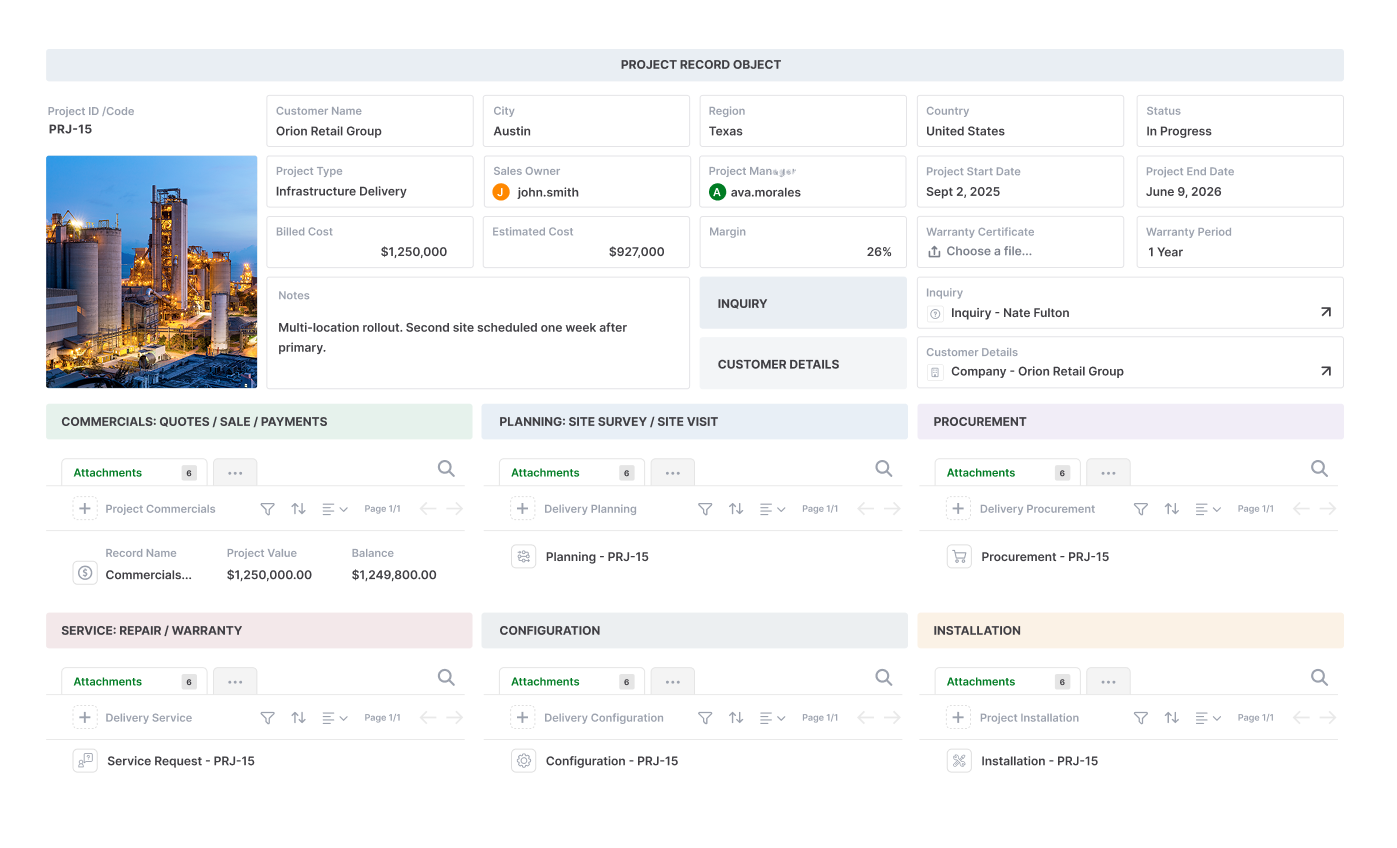
Design each record around how people actually work. Fields, child records, linked records, files, pages, actions, and related information appear together in one operational layout, without maintaining a separate interface over the underlying data.

Built-In Record History and Versioning

Track changes to operational records over time, see how information has evolved, and preserve accountability across users, workflows, and updates.

Where Retool Requires More Engineering Ownership

  • Each operational tool still needs an application interface, functions, queries, permissions, and testing
  • Advanced applications can require React, TypeScript, SQL, JavaScript, Python, APIs, and database knowledge
  • Operational context can remain distributed across source databases, APIs, apps, workflows, and file systems
  • The new React-based app builder and classic Retool apps use different architectures and capabilities
  • External apps, richer permissions, audit logs, source control, SSO, and branding depend on higher plans
  • Document workflows, record histories, approvals, and complete business-object experiences may require custom development
  • Self-hosted deployments require infrastructure management, upgrades, monitoring, and platform administration

AnyDB Is Built Around Business Operations

  • Configure systems around customers, orders, inventory, projects, assets, and vendors
  • Keep records, files, workflows, assignments, and history in one operational context
  • Use built-in permissions, notifications, automations, and record version history
  • Give customers, vendors, and partners access through built-in secure portals
  • Generate PDFs, Word documents, and spreadsheets directly from live records
  • Start with one workflow and expand into connected systems over time
  • Choose cloud, private cloud, or self-hosted deployment

Retool gives technical teams a platform for building custom applications.
AnyDB helps operational teams run connected business operations.

Run systems around customers, orders, inventory, projects, assets, vendors, and the work that connects them.

Retool supports AI-generated React applications, classic drag-and-drop apps, workflows, mobile applications, external apps, agents, and a managed PostgreSQL database. It can connect directly to production databases, APIs, SaaS tools, and cloud services through governed resources.

AnyDB is built differently.

AnyDB provides a connected environment for configuring and running operational systems. Records, child records, linked data, files, permissions, workflows, portals, documents, history, and collaboration stay together, making the system easier for operational teams to use and evolve without maintaining a separate application layer for every process.

Retool Is Built for Custom Application Development. AnyDB Is Built for Operations.

Use Retool when technical teams need to develop governed applications on top of databases, APIs, and services. Use AnyDB when operational teams need one connected system they can configure, run, and expand around the way the business works.

Best Fit Retool AnyDB
Primary categoryAI-first enterprise application development platformCustom operational system
Core buyerEngineering, data, IT, and technically enabled operations teamsOperations teams and growing businesses
Best environmentOrganizations with databases, APIs, and technical builders creating custom interfacesOrganizations that need connected operational systems across their business
Starting pointBuild an application on top of connected resourcesStructure and connect the workflows already running the business
Application modelAI-generated React apps or classic component-based appsConnected records, workspaces, views, forms, pages, and portals
Data modelExisting data sources or a managed PostgreSQL databaseNested and linked operational records organized in connected workspaces
Business logicTypeScript functions, resource queries, SQL, JavaScript, Python, and workflowsFields, formulas, conditions, automations, buttons, and scripts
AutomationRetool Workflows with code, queries, branching, schedules, APIs, and webhooksBuilt-in automations, APIs, webhooks, and scripts
External accessExternal apps and portals with plan-dependent external-user pricingBuilt-in portals with unlimited guest users
AI approachAI app generation, AI actions, RAG, workflows, and governed agentsAI within connected operational records, files, and workflows, plus MCP access
DeploymentRetool Cloud or self-hosted deploymentCloud, private cloud, or self-hosted deployment

Feature Comparison

Both platforms support data, workflows, integrations, permissions, mobile access, portals, and AI. The difference becomes clearer in whether the organization wants to develop custom applications over its data or configure one connected operational environment around its business objects.

Capability Retool AnyDB
AI app generationPrompt-driven React applications with editable source codeAnyBot can create connected systems and Types from operational requirements
Visual application developmentClassic drag-and-drop editor with predefined componentsConfigurable record layouts, views, forms, pages, and actions
Code-level customizationReact, TypeScript, SQL, JavaScript, Python, npm packages, and custom componentsOptional scripts, formulas, APIs, and webhooks for specialized logic
Data sourcesDirect connections to databases, APIs, cloud services, and SaaS applicationsConnected operational records with APIs, webhooks, Shopify, Zapier, and Make integrations
Managed databaseGoverned PostgreSQL database with schema and environment managementNative object-based data model with child records, links, lookups, and rollups
Workflow automationRetool Workflows with schedules, webhooks, APIs, code, branching, looping, and execution logsBuilt-in workflows, approvals, triggers, actions, notifications, webhooks, and scripts
External portalsCustom external apps and branded portals on qualifying plansIncluded with unlimited guest users
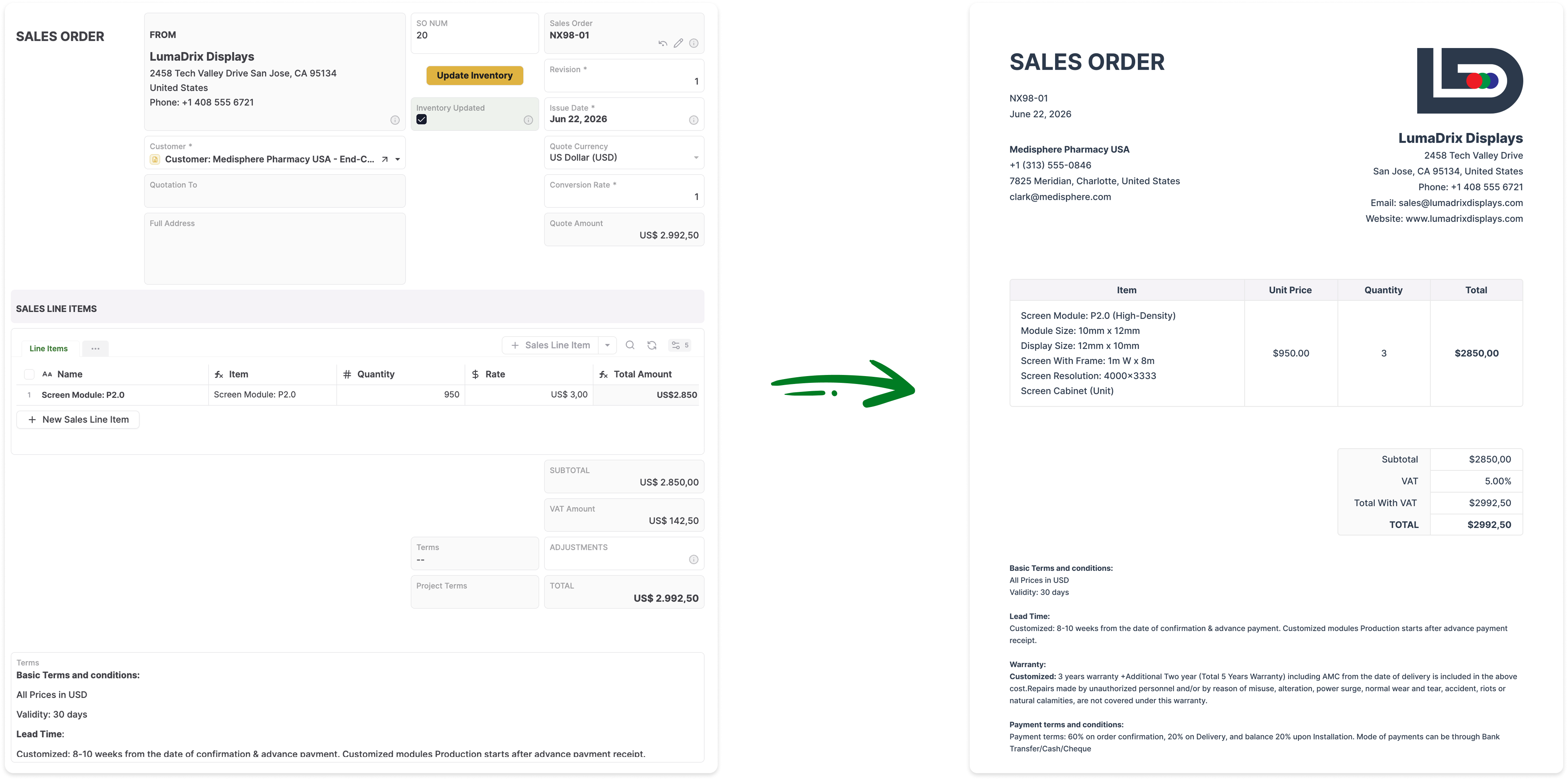
Document generationBuilt through application logic, libraries, workflows, or integrationsNative Word, PDF, and Excel generation from live records
AI agentsGoverned agents connected to resources, queries, workflows, MCP servers, and other agentsAnyBot and MCP assistants working with connected operational records, files, views, reports, and workflows
Mobile and offline accessNative mobile apps with offline editing, barcode scanning, photos, and notificationsMobile app with barcode and QR scanning, photos, notifications, and record updates
Files and operational contextConfigured within each app and its connected storage or data sourcesFiles, comments, tasks, history, and workflows remain attached to business records
Reusable starting pointsApp templates, components, modules, queries, and workflowsCustomizable Business Object Library with ready-to-use operational objects
Security and governanceRBAC, SSO, audit logs, secrets, environments, resource permissions, and data-level controlsDetailed team, workspace, record, and field permissions with groups, locks, and audit history
Application lifecycleBranches, releases, environments, source control, testing, and deployment administrationTypes, records, workflows, views, and permissions managed within one operational environment
Self-hosted deploymentAvailable with infrastructure and release-management responsibilityAvailable
Operational team ownershipBest with technical builders or close engineering and IT supportDesigned for easier team-led configuration and evolution

Generate Documents Directly From Your Live Records

Turn AnyDB records into professional, ready-to-share PDFs / Docx / XLSX with fields, linked data, tables, terms, and other relevant information automatically included.

How it Works?

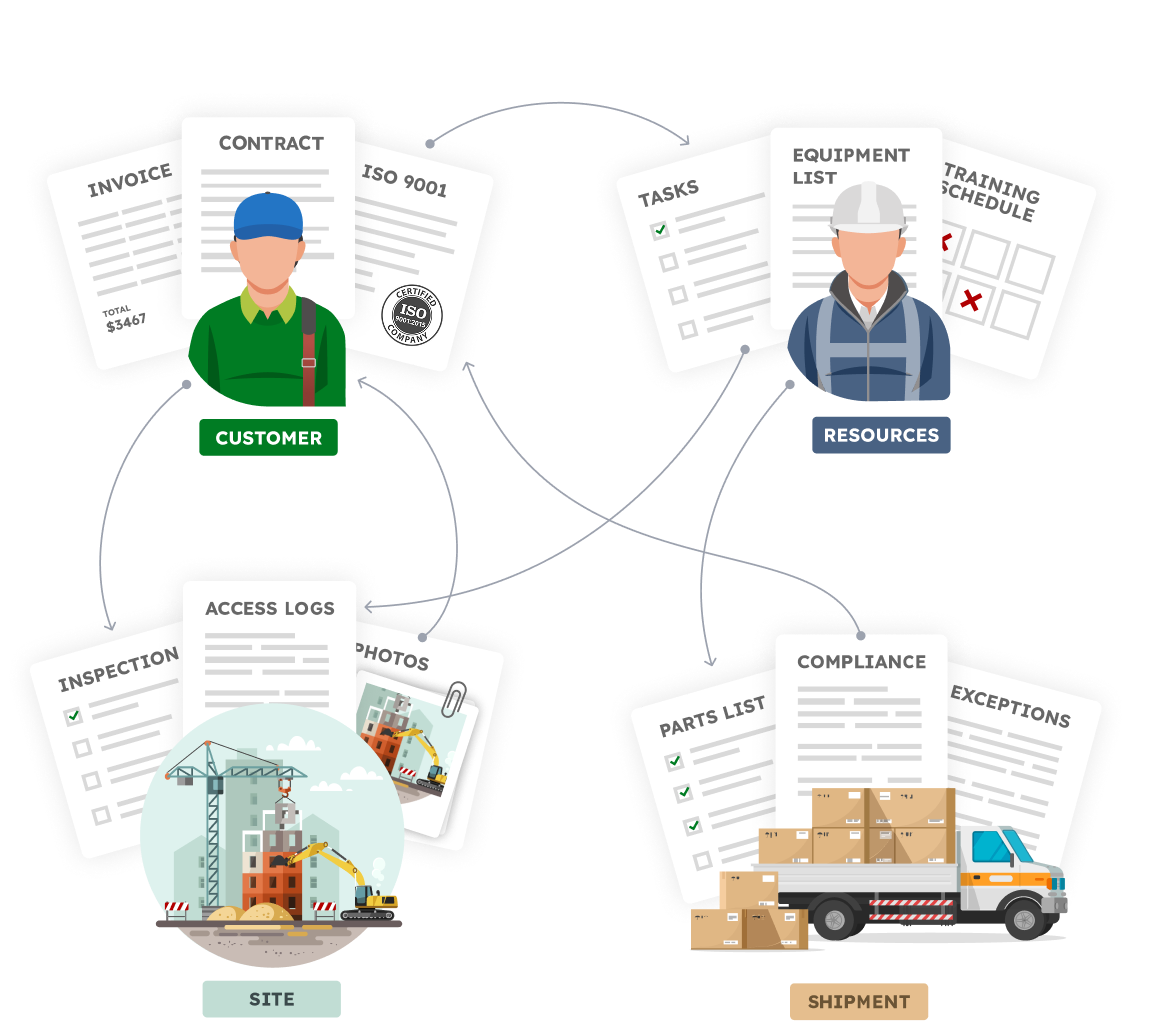
Your Business is made of Real Things

  • A vendor with certifications, contracts, invoices
  • A site with inspections, photos, access logs
  • An employee with tasks, training, equipment
  • A shipment with parts, compliance documents, exceptions

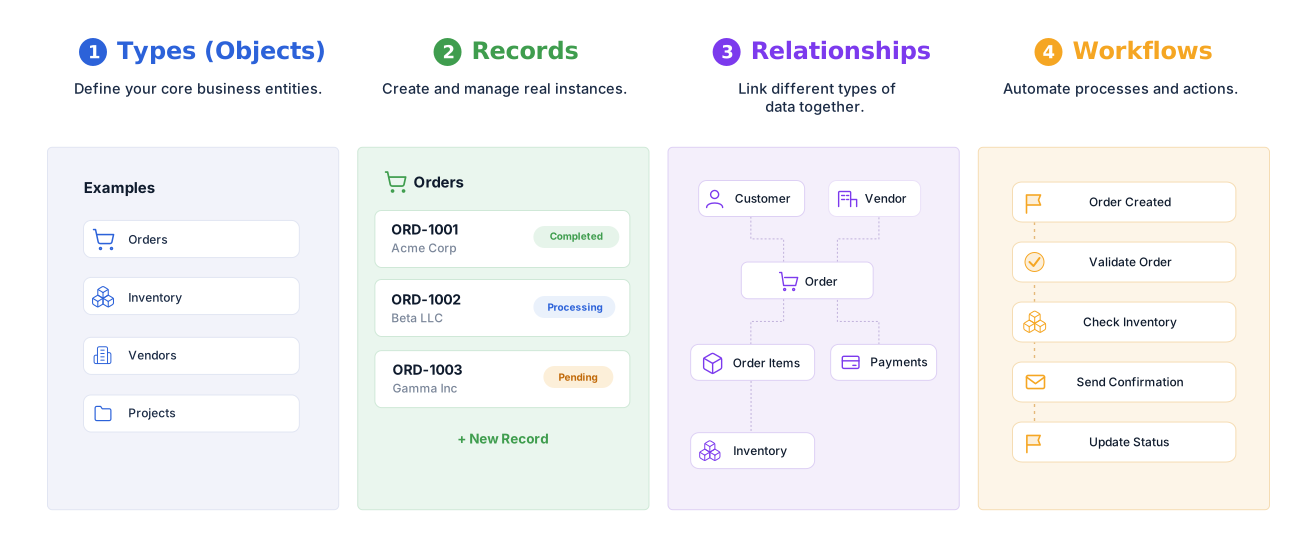
Define your structure, connect your data,
and automate how work flows.


Familiar to use.Built for real operations.


Reuse your Spreadsheet skills.
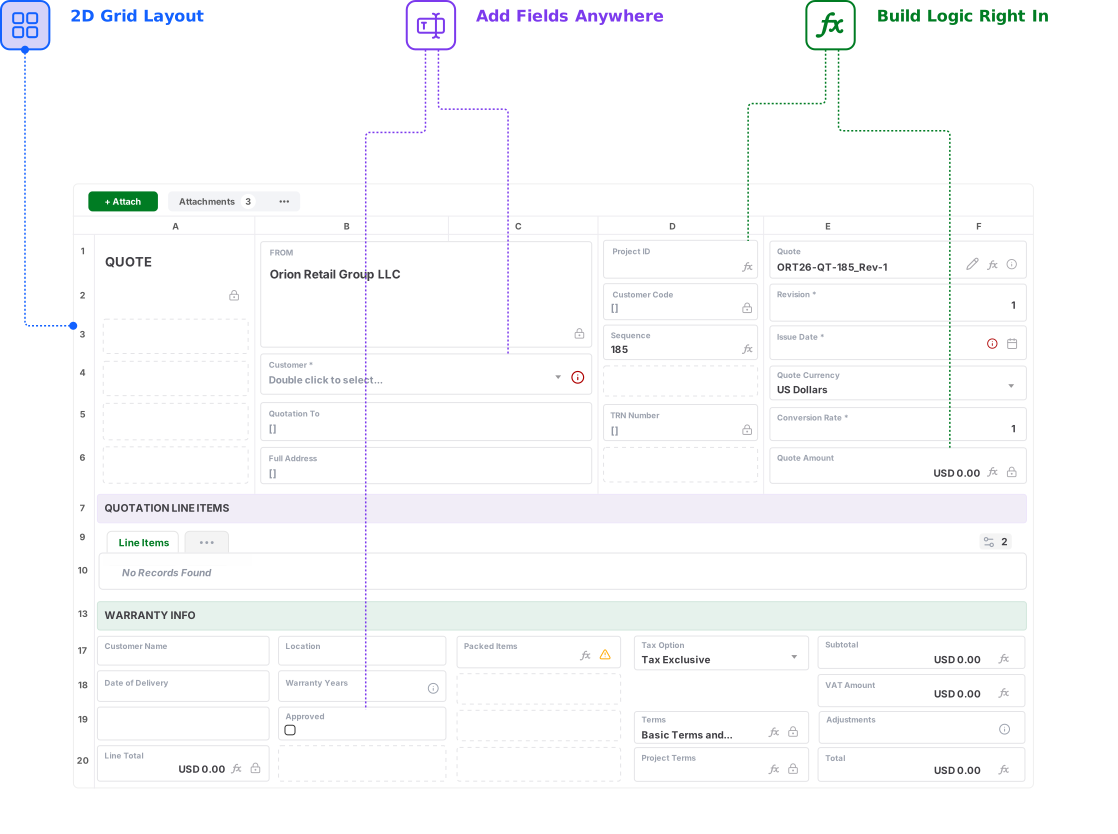
Design Record and Form Layouts in a 2D grid, just like a Spreadsheet

See how AnyDB powers your business operations

  • Flexible Views
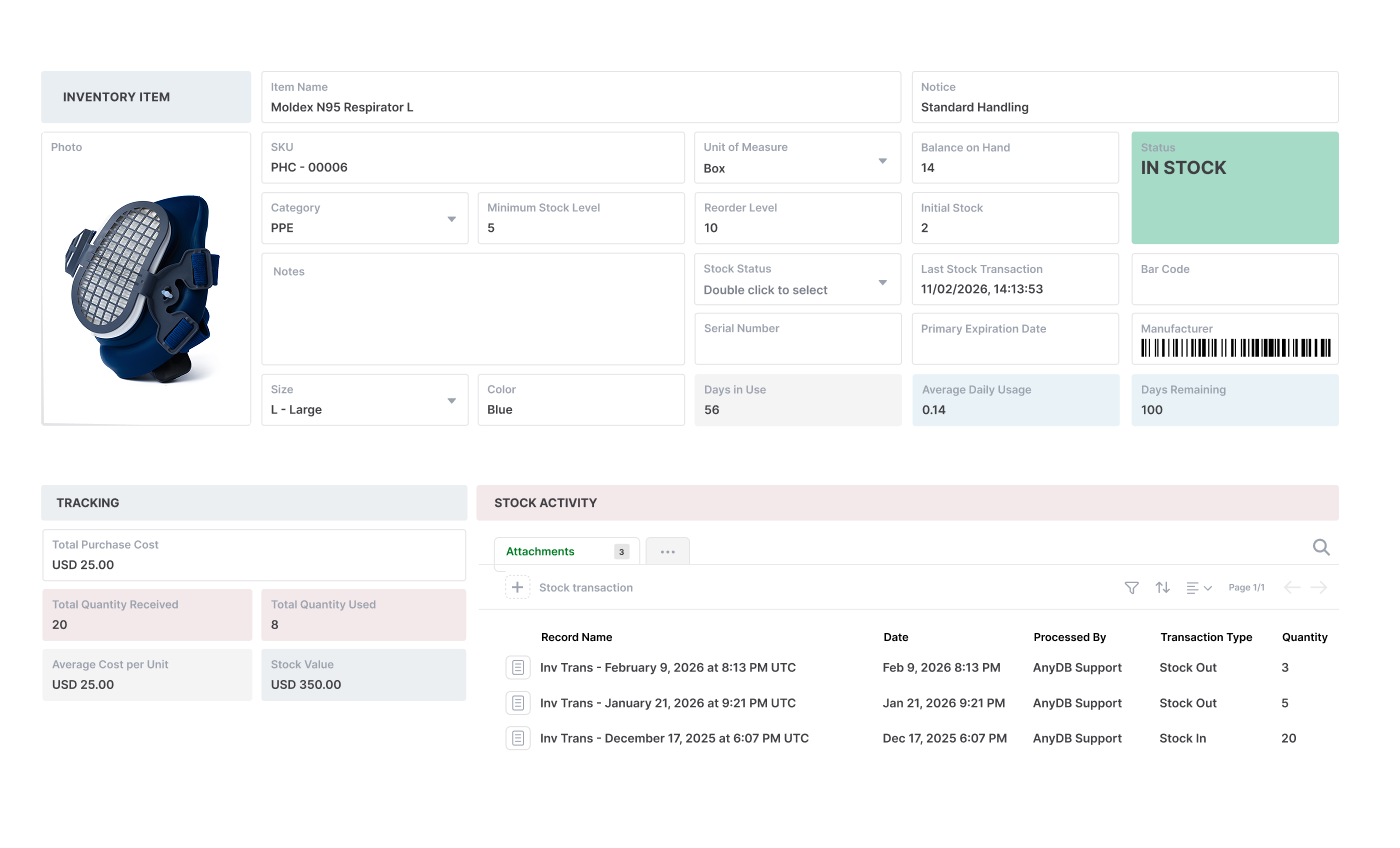
  • A Natural Record Layout
  • Portals
  • Combine Objects

Flexible Views

A Natural Record Layout

Portals

Combine Objects

Run Connected Operations Without Maintaining Custom Apps

Create operational systems your team can use, manage, and expand more easily.

Get for Free
No credit card needed!

Frequently Asked Questions

How is AnyDB different from Retool?

Retool is an enterprise application development platform for building React apps, classic component-based apps, workflows, mobile tools, external apps, and AI agents on top of databases, APIs, and services. AnyDB is a custom operational system designed around connected business records, workflows, files, permissions, portals, documents, history, and day-to-day collaboration.

Can AnyDB replace an existing Retool application?

AnyDB can replace applications centered on operational records, approvals, portals, documents, inventory, purchasing, assets, projects, compliance, and related workflows. Retool applications built around highly specialized interfaces, extensive React code, complex SQL, or direct actions across many production systems should be assessed individually.

Who is Retool best suited for?

Retool is best suited for engineering, data, IT, and technically enabled operations teams that want to build custom interfaces, workflows, and agents over existing databases, APIs, cloud services, and SaaS applications.

Who is AnyDB best suited for?

AnyDB is designed for operations teams and growing organizations that need connected systems for inventory, orders, purchasing, projects, assets, work orders, approvals, compliance, documents, portals, and other operational processes.

Does AnyDB offer the same developer flexibility as Retool?

AnyDB supports formulas, scripts, APIs, webhooks, workflow automation, and integrations. Retool remains the stronger choice when the main requirement is to build highly customized React interfaces with TypeScript, SQL, JavaScript, Python, npm packages, and direct access to many external resources.

Does Retool support customer and vendor portals?

Yes. Retool supports external apps and branded portals for customers, vendors, and partners. These capabilities are available on qualifying plans and use separate external-user pricing. AnyDB includes secure portals with unlimited guest users for operational records, files, forms, and updates.

Does AnyDB support complex workflows and integrations?

Yes. AnyDB supports multi-step workflows, conditions, approvals, automations, assignments, notifications, APIs, webhooks, and custom scripts. These capabilities operate around the same connected operational records.

Can external users access AnyDB?

Yes. AnyDB includes secure portals for customers, vendors, partners, contractors, and other external users. You can control which records, files, forms, and actions each user can access. Guest portal users are unlimited.

Can AnyDB generate documents from records?

Yes. AnyDB can generate PDFs, Word documents, spreadsheets, reports, invoices, purchase orders, certificates, and other business documents directly from live record data.

Does AnyDB support permissions and version history?

Yes. AnyDB supports detailed permissions across teams, workspaces, records, and fields. Activity and version history preserve record changes, improve accountability, and help teams work from the latest approved information.

Can AnyDB run in our own environment?

Yes. AnyDB is available through cloud, private cloud, and self-hosted deployment options. The appropriate model depends on your security, infrastructure, integration, and administration requirements.

Can AnyDB help us design and migrate our system?

Yes. You can share your current Retool applications, resource connections, database schemas, queries, functions, workflows, exports, documentation, and access rules. The AnyDB team can help map the records, relationships, permissions, automations, documents, and migration stages for your first working system.