SharePoint Alternative
Built for Business Operations

Replace disconnected sites, lists, libraries, forms, and workflows with connected, object-based systems for customers, orders, inventory, projects, assets, vendors, and approvals.

Unlimited guest accounts, unlimited records, built-in portals, and document generation.

Free Demo / Setup
Book a demo and let us set up AnyDB for you. Free of charge!

Explore how AnyDB organizes business records, operations, files, and portals

Main Benefits

Complete Operational Records

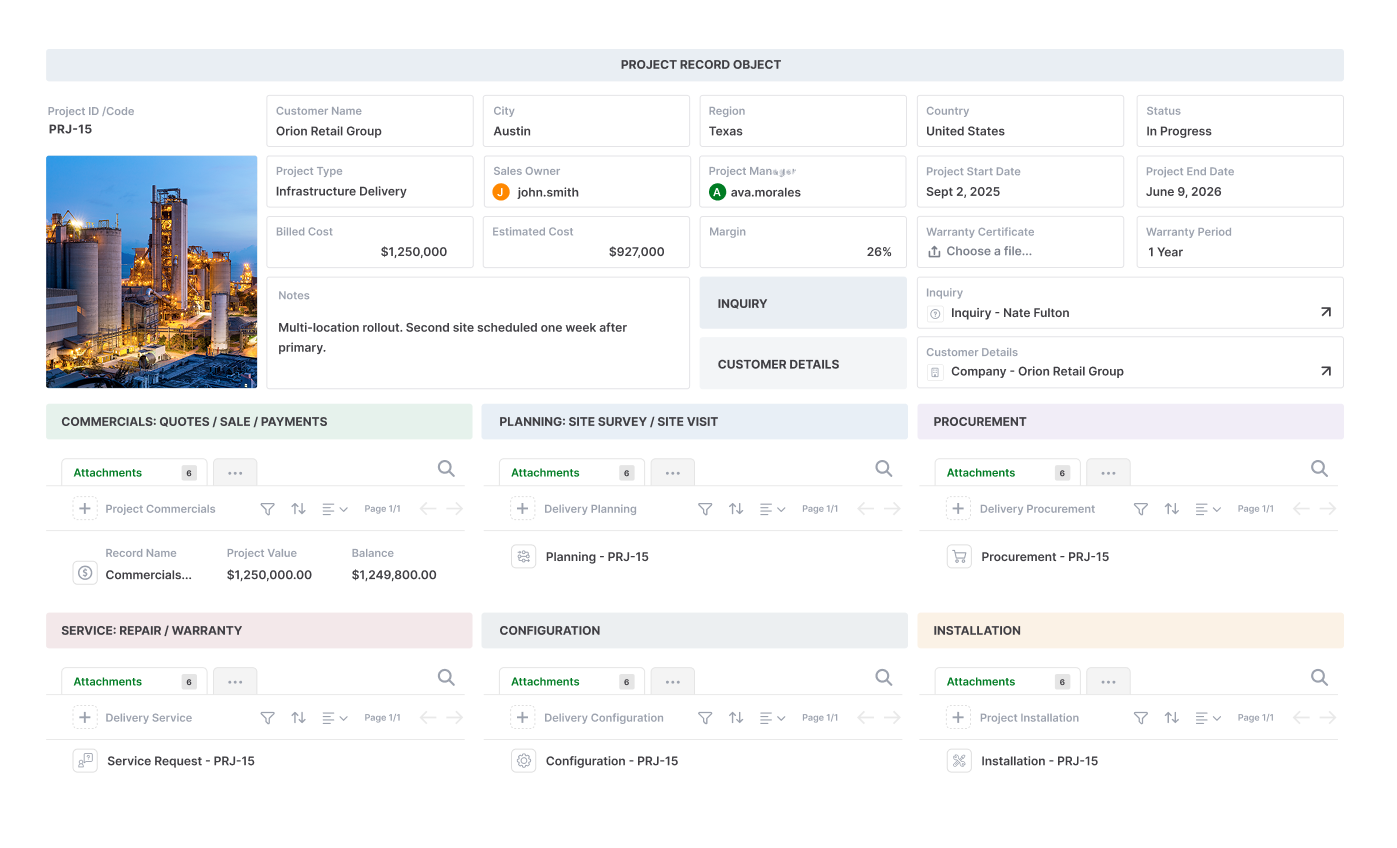
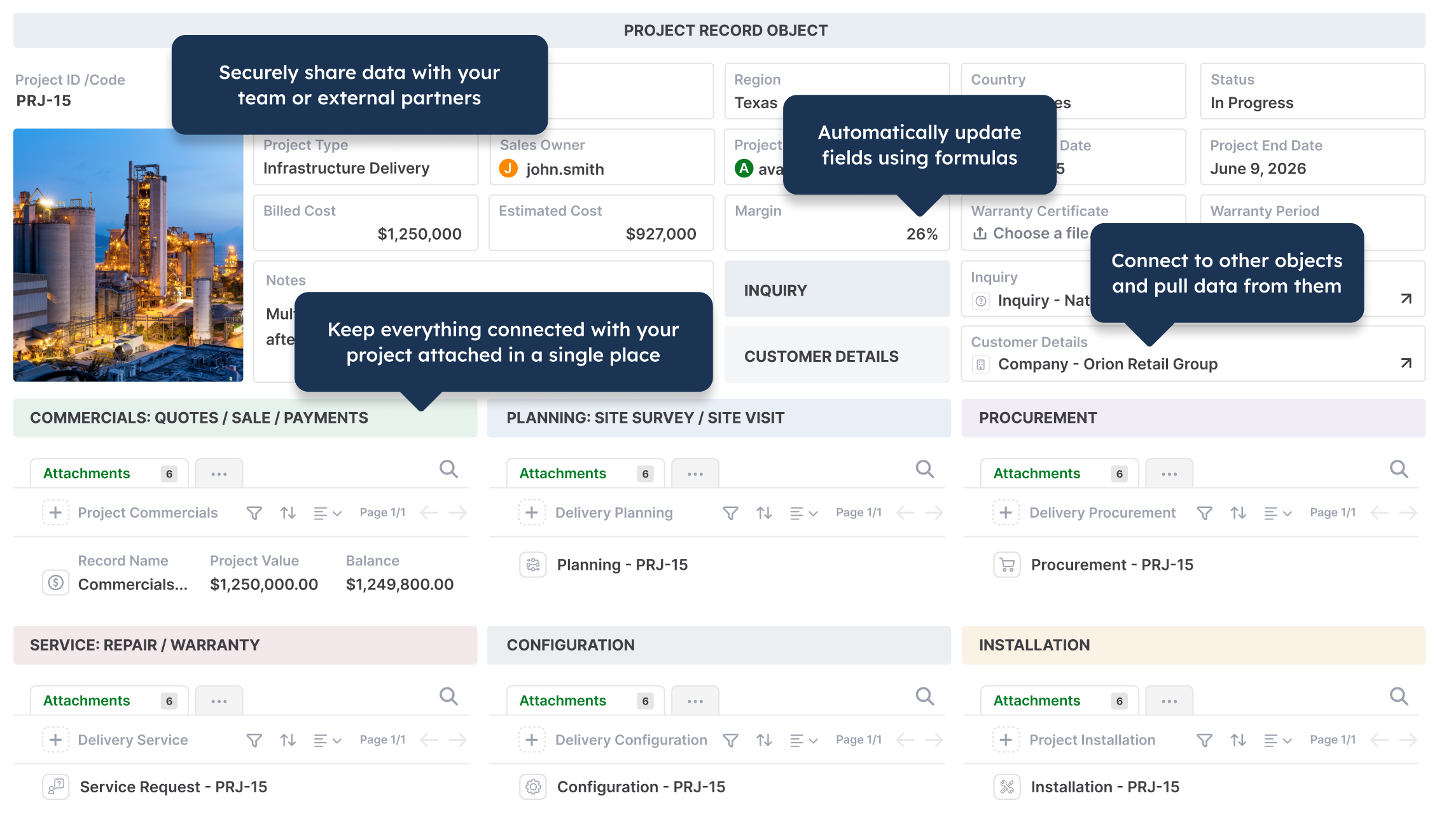
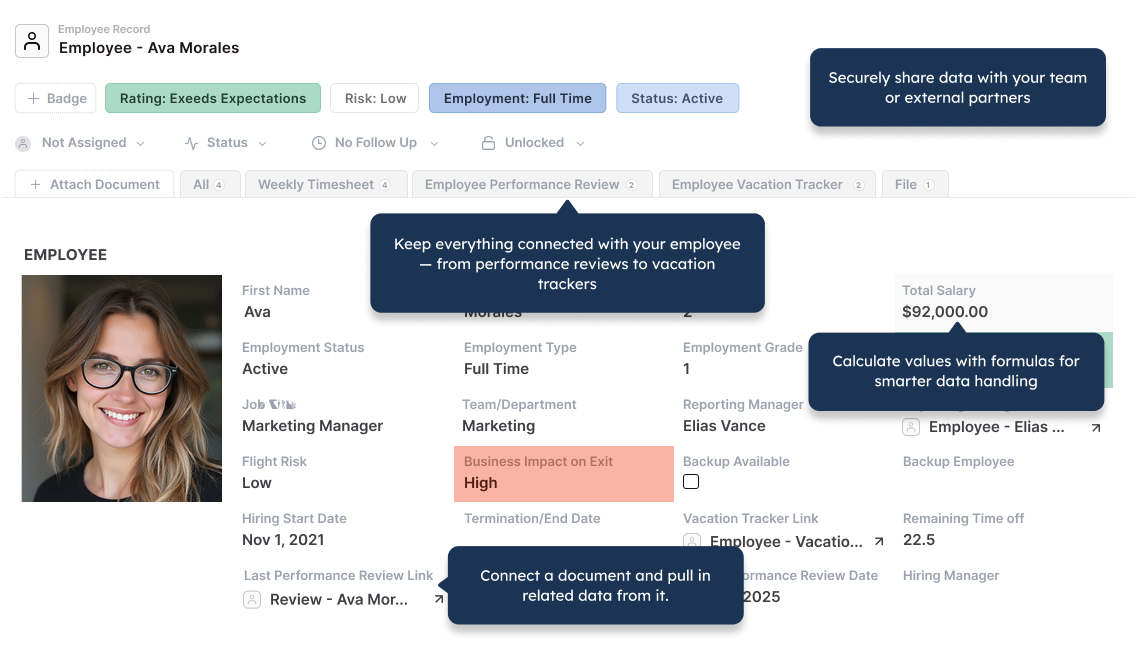
Bring fields, files, linked records, child records, actions, history, and workflows together around the customer, order, asset, project, vendor, or request.

One Connected System Across Teams

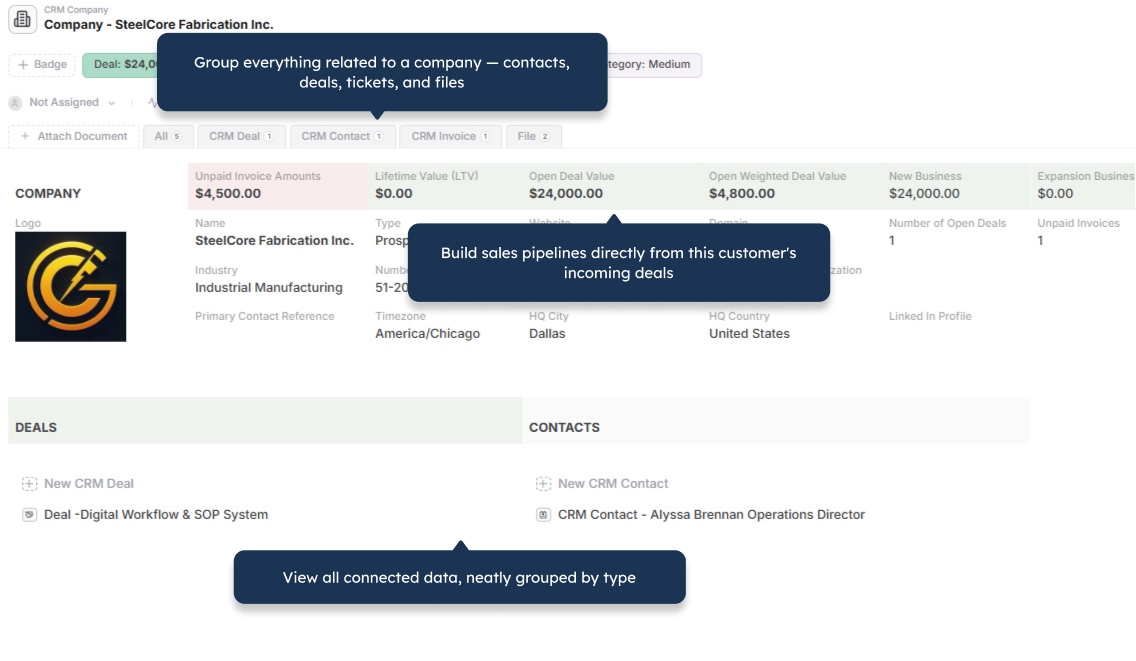
Connect operations across departments without spreading information across separate sites, lists, document libraries, and duplicated trackers.

Manage Complex Record Hierarchies

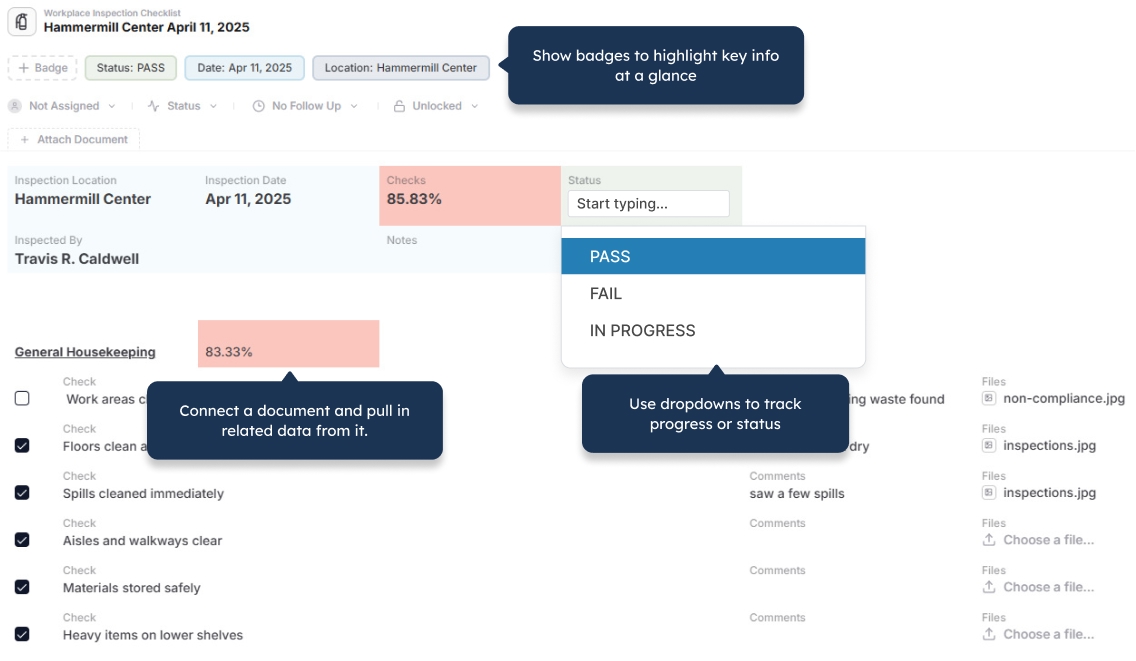
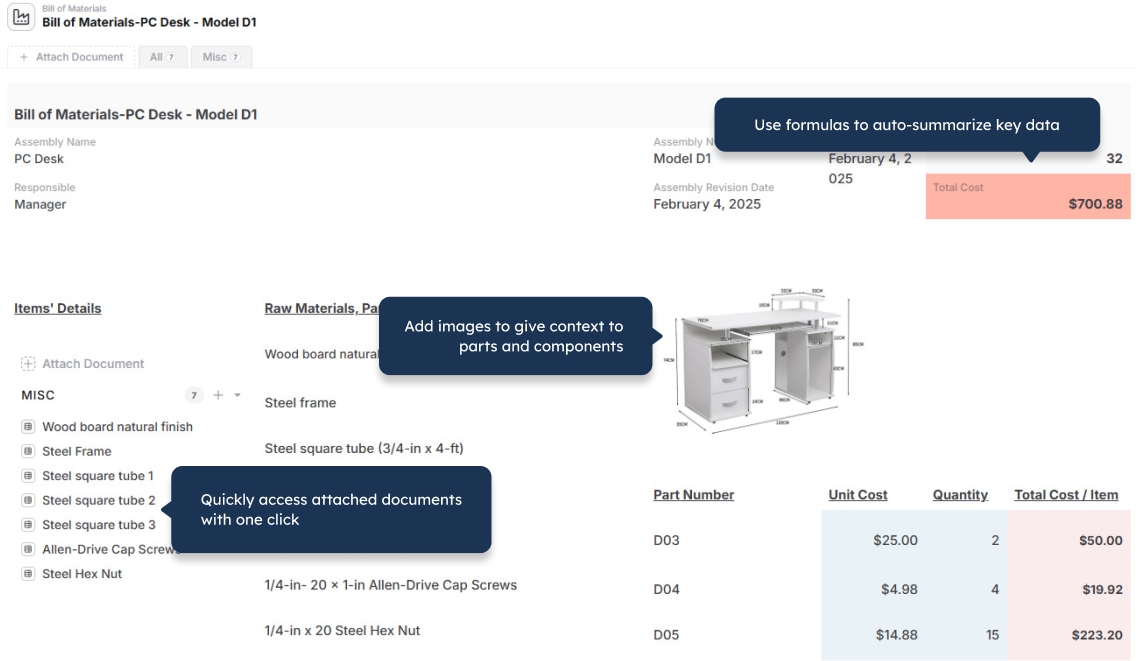
Use child records for line items, tasks, components, inspections, maintenance history, approvals, and other structured operational details.

The Record Layout Is the Interface

Design each record around how people work, without building a separate application interface over lists and document libraries.

Files Stay With the Work

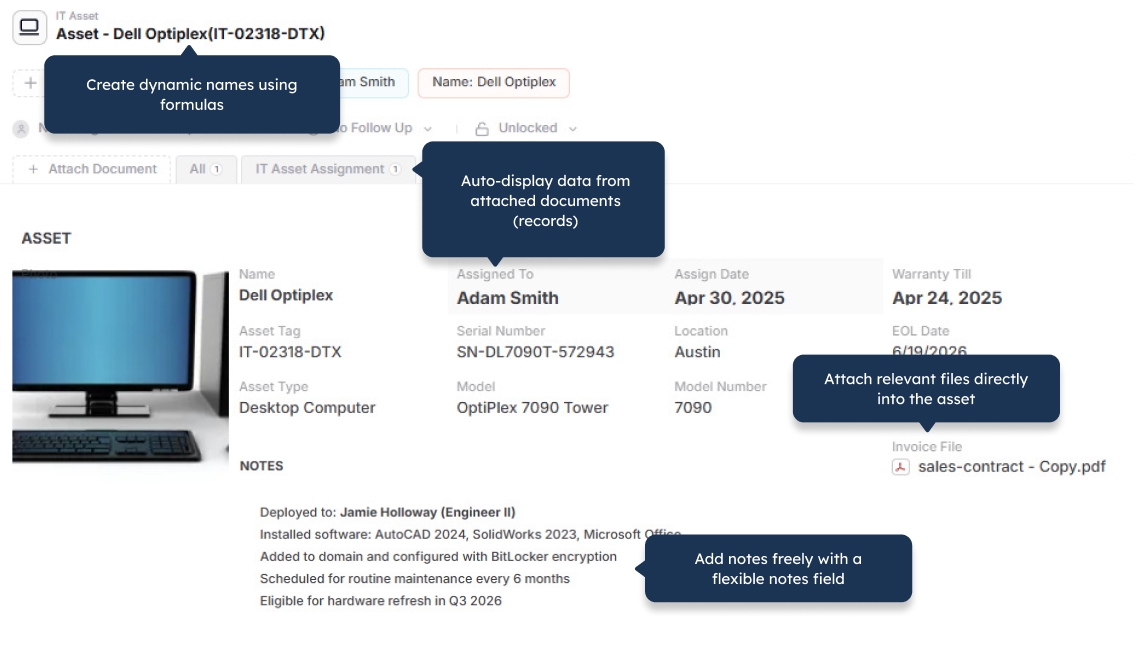
Keep documents, attachments, contracts, photos, certificates, and generated files connected to the records and workflows they support.

Built-In Workflows and Assignments

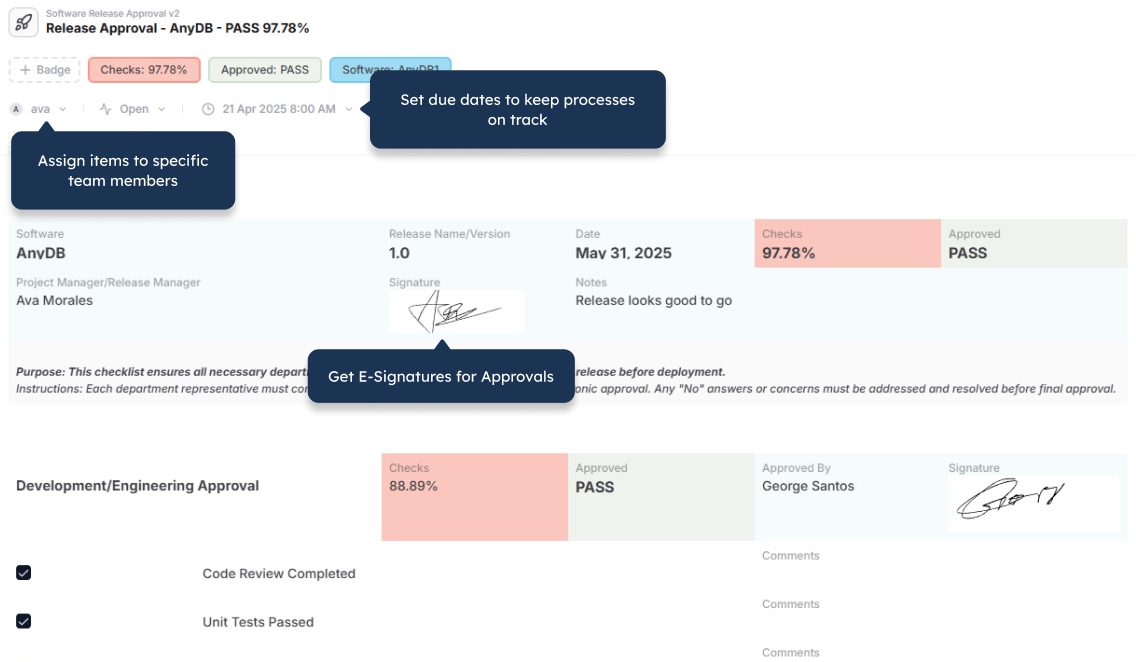
Add approvals, assignments, reminders, status changes, notifications, and automation directly to operational records.

Secure Portals for External Users

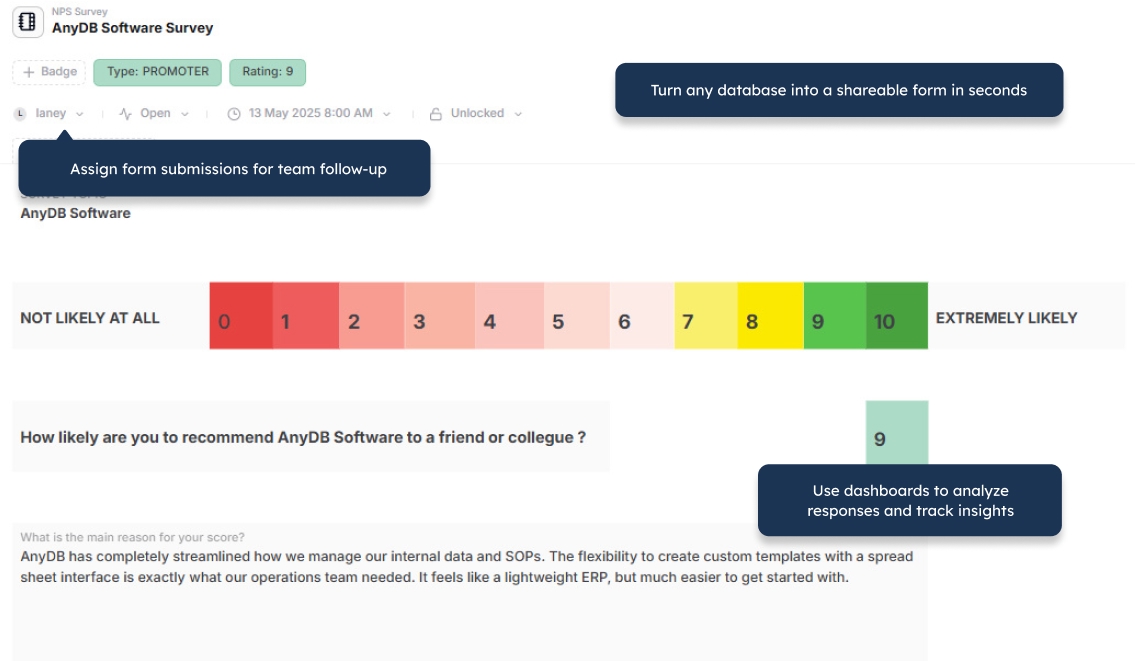
Give customers, vendors, partners, and contractors controlled access to records, forms, files, and actions through built-in portals.

Generate Documents From Live Data

Create PDFs, Word documents, spreadsheets, reports, purchase orders, certificates, and operational forms directly from current records.

Built-In History and Accountability

Track changes, ownership, approvals, comments, and activity over time without reconstructing context from lists, email, and file versions.

Where SharePoint Becomes Harder for Business Operations

  • Operational information becomes distributed across sites, lists, document libraries, folders, and pages
  • Complete business records are often split between list items, documents, and related sites
  • Custom interfaces may require Power Apps, web parts, or additional development
  • Workflow automation may require Power Automate configuration and ongoing maintenance
  • Relationships across departments, sites, and lists can become difficult to understand and govern
  • External access may involve guest-sharing policies, site permissions, and additional administration
  • Business users can become dependent on SharePoint and Microsoft 365 administrators for system changes

AnyDB Is Built Around Business Operations

  • Model complete business objects such as orders, assets, projects, vendors, customers, and inventory
  • Use child records for line items, tasks, inspections, components, approvals, and activity
  • Keep fields, related records, files, actions, workflows, and history in one record layout
  • Build assignments, reminders, approvals, and automation into the same operational system
  • Give customers, vendors, and partners controlled access through built-in portals
  • Generate PDFs, Word documents, and spreadsheets directly from live records
  • Configure and expand systems without assembling several separate Microsoft products

SharePoint organizes sites, documents, and lists.
AnyDB helps you run connected business operations.

Build complete systems around customers, orders, inventory, projects, assets, vendors, files, approvals, and workflows.

SharePoint is effective for document collaboration, intranets, lists, and team sites. Operational systems become harder to maintain when the process is spread across separate lists, libraries, pages, permissions, Power Apps forms, and Power Automate flows.

AnyDB brings the record, file, and workflow together.

Each operational record can include fields, child records, linked records, files, pages, actions, comments, history, assignments, approvals, and generated documents. Teams work from one connected system instead of assembling an operational application across several tools.

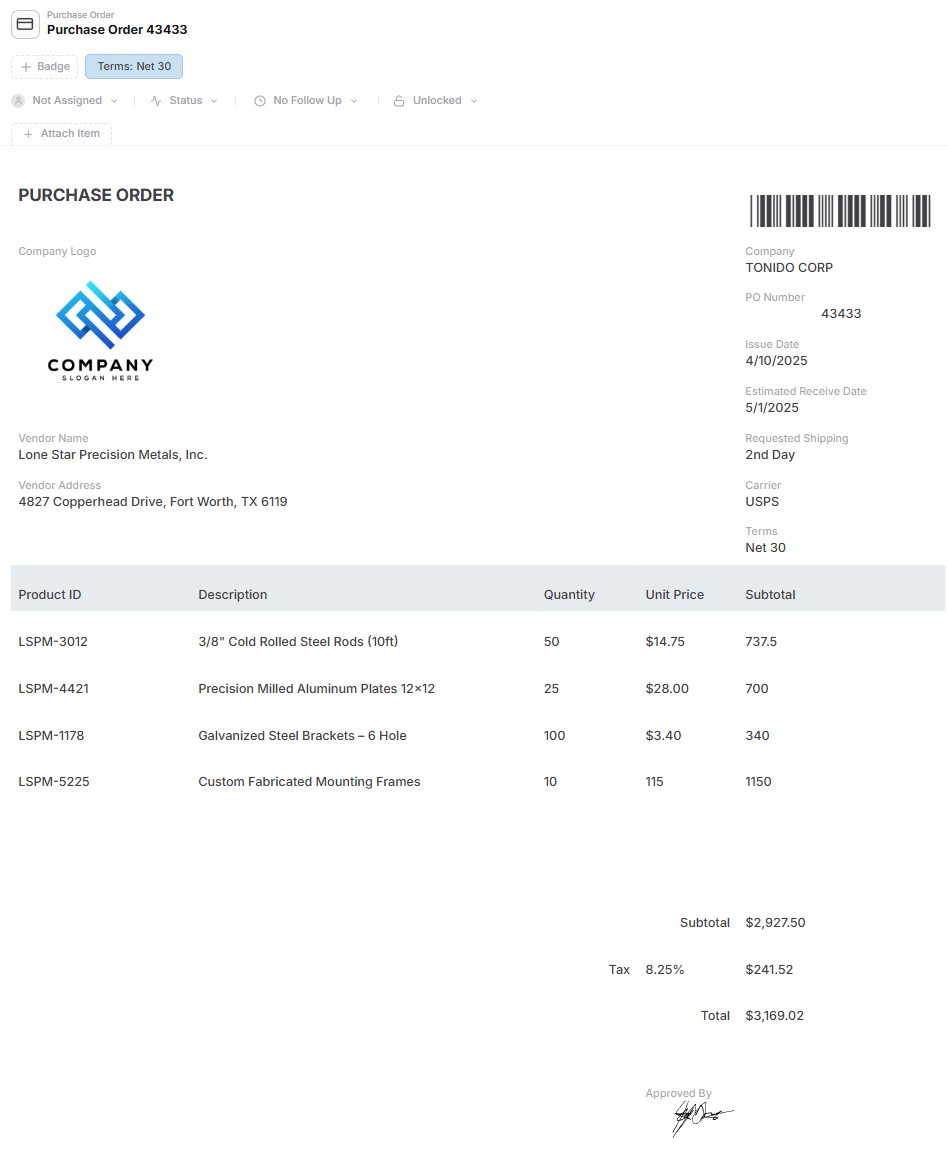
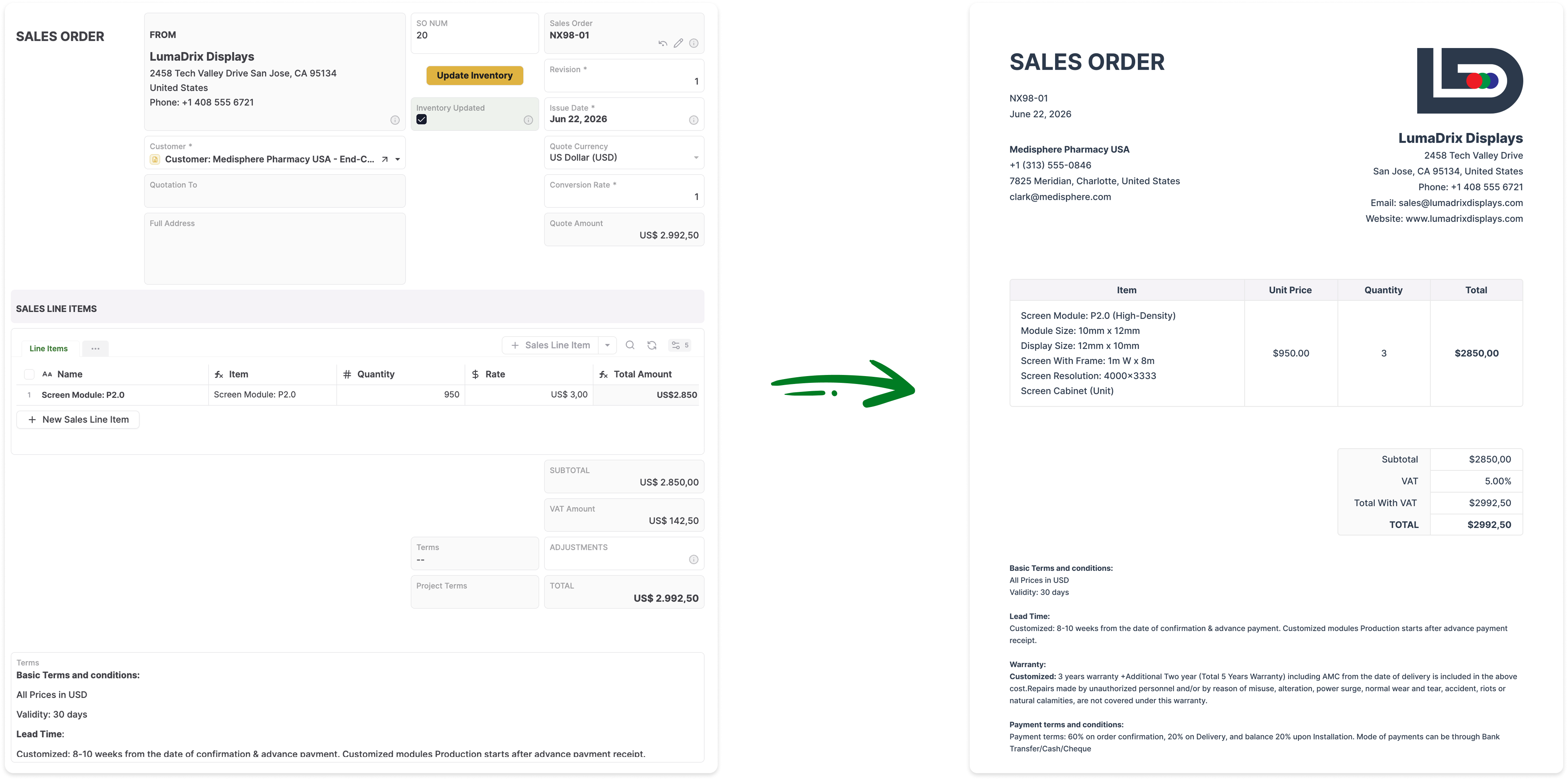
Generate Documents Directly From Your Live Records

Turn AnyDB records into professional, ready-to-share PDFs / Docx / XLSX with fields, linked data, tables, terms, and other relevant information automatically included.

How it Works?

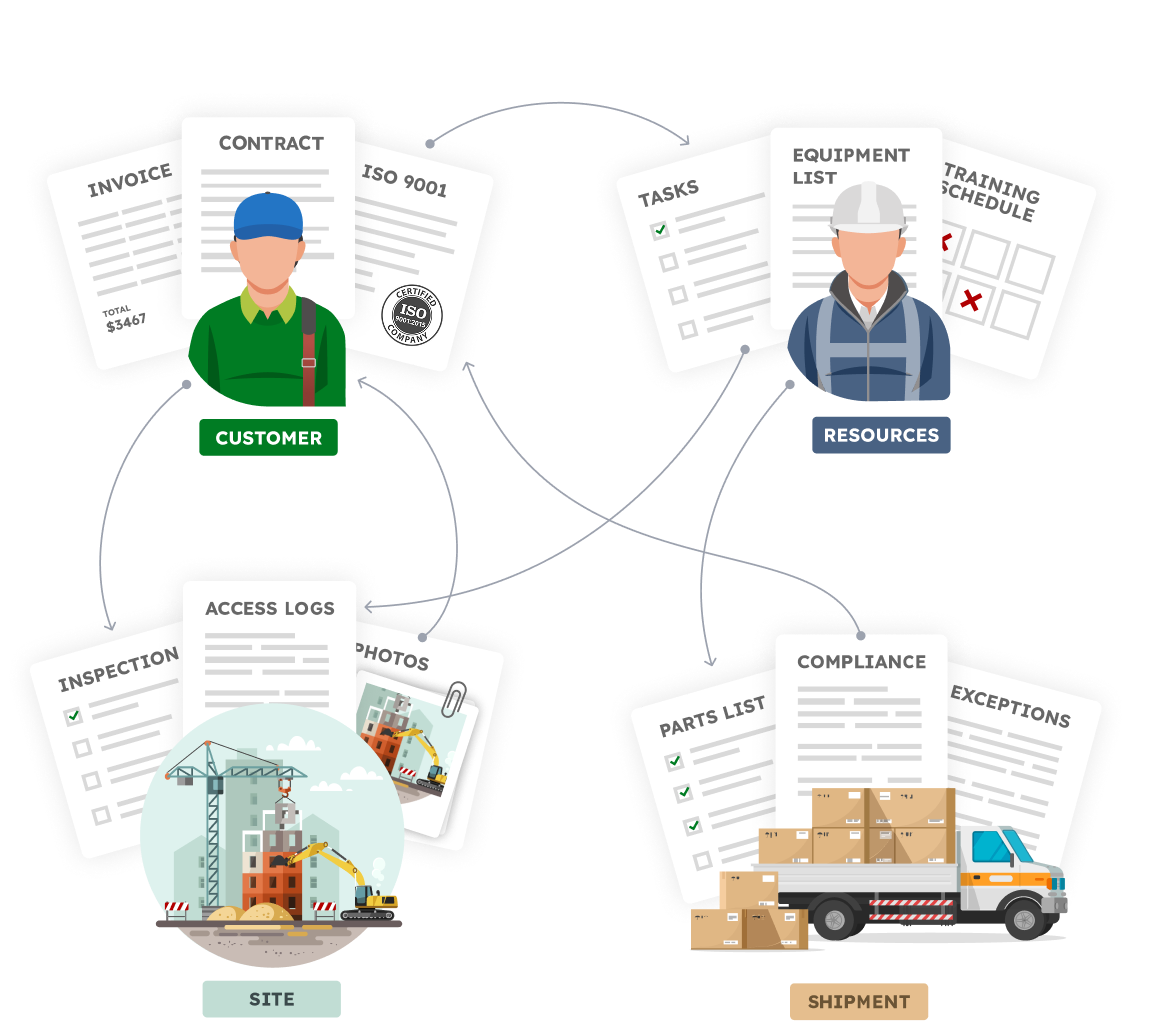
Your Business is made of Real Things

  • A vendor with certifications, contracts, invoices
  • A site with inspections, photos, access logs
  • An employee with tasks, training, equipment
  • A shipment with parts, compliance documents, exceptions

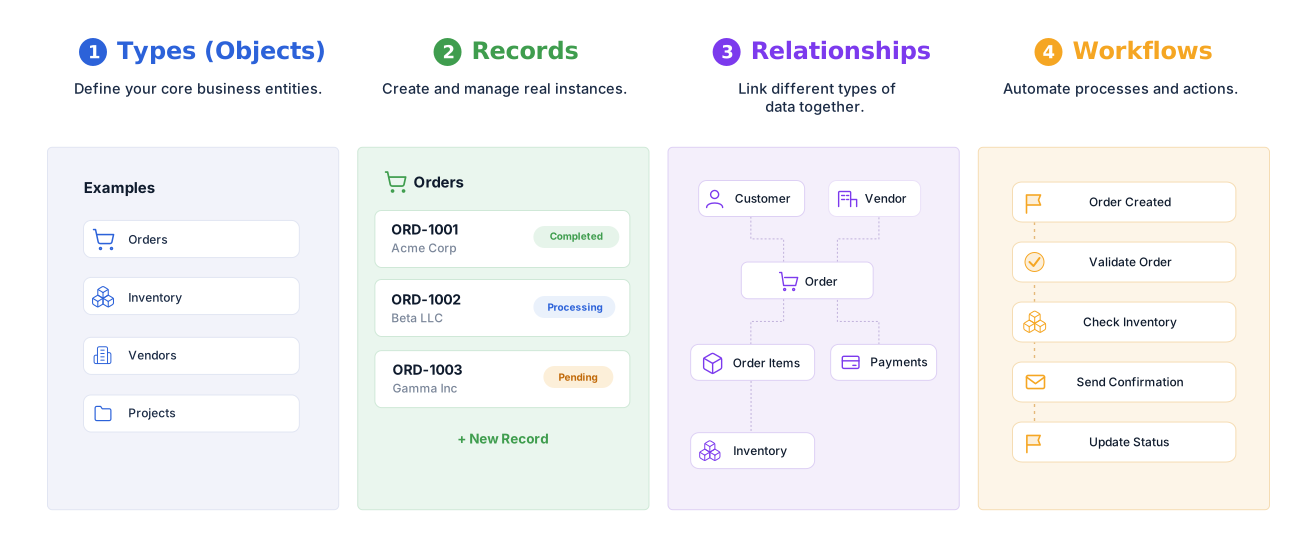
Define your structure, connect your data,
and automate how work flows.


Familiar to use.Built for real operations.


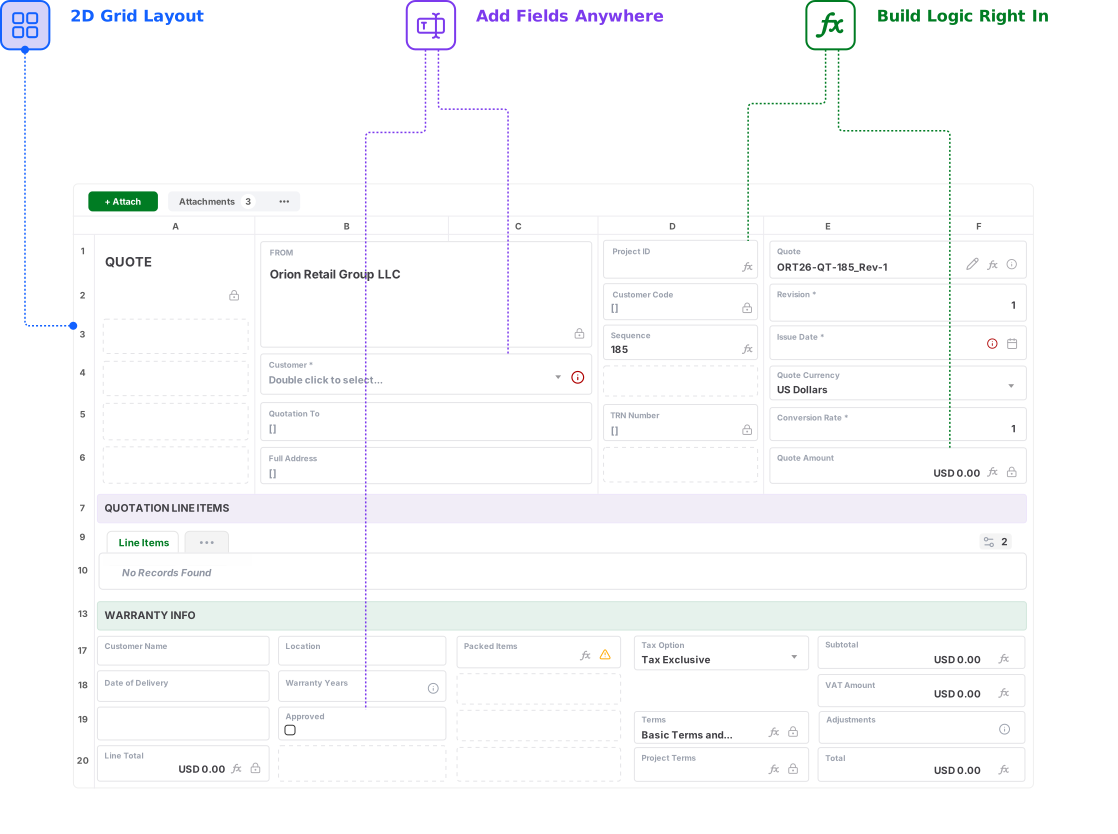
Configure record and form layouts in a familiar 2D grid.
Keep data, files, actions, and workflows together

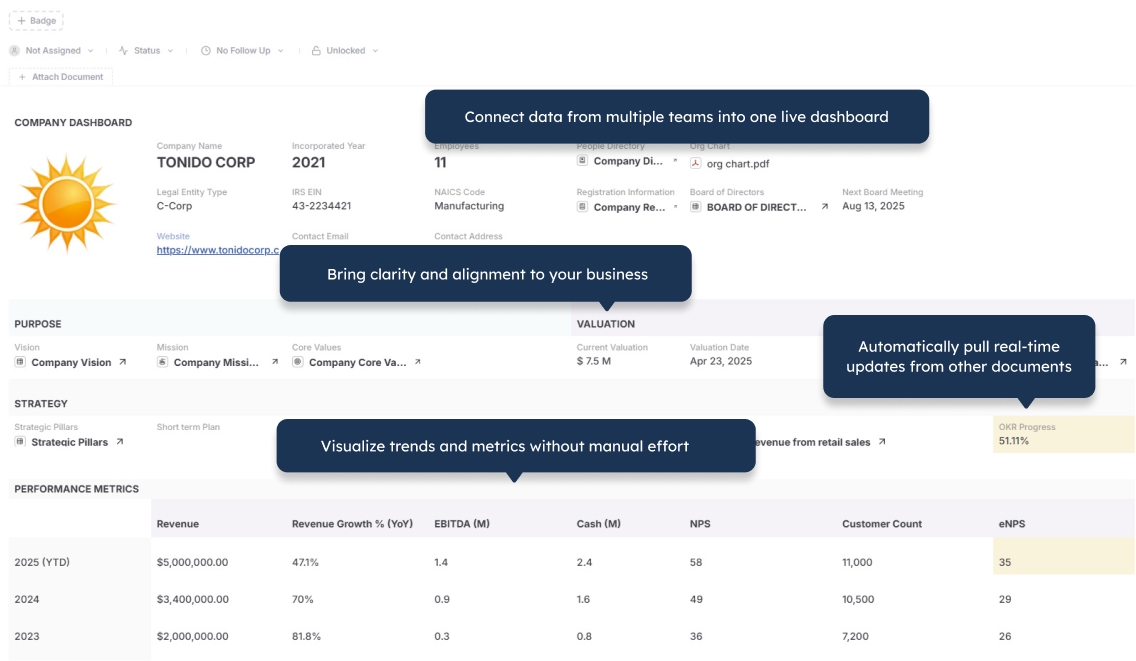
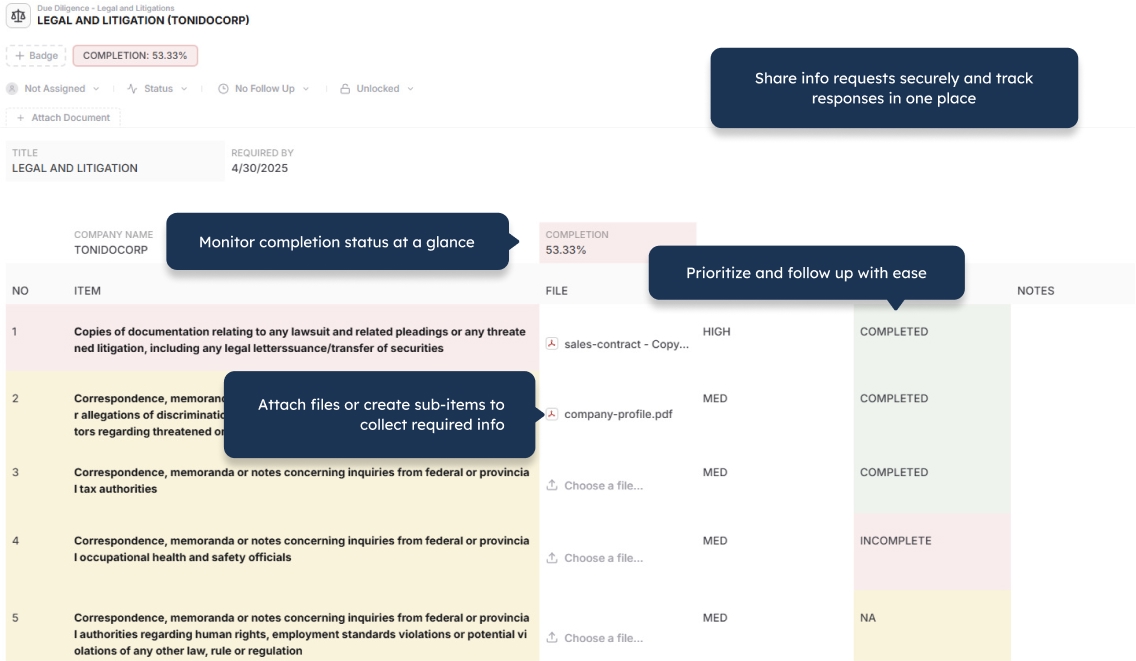
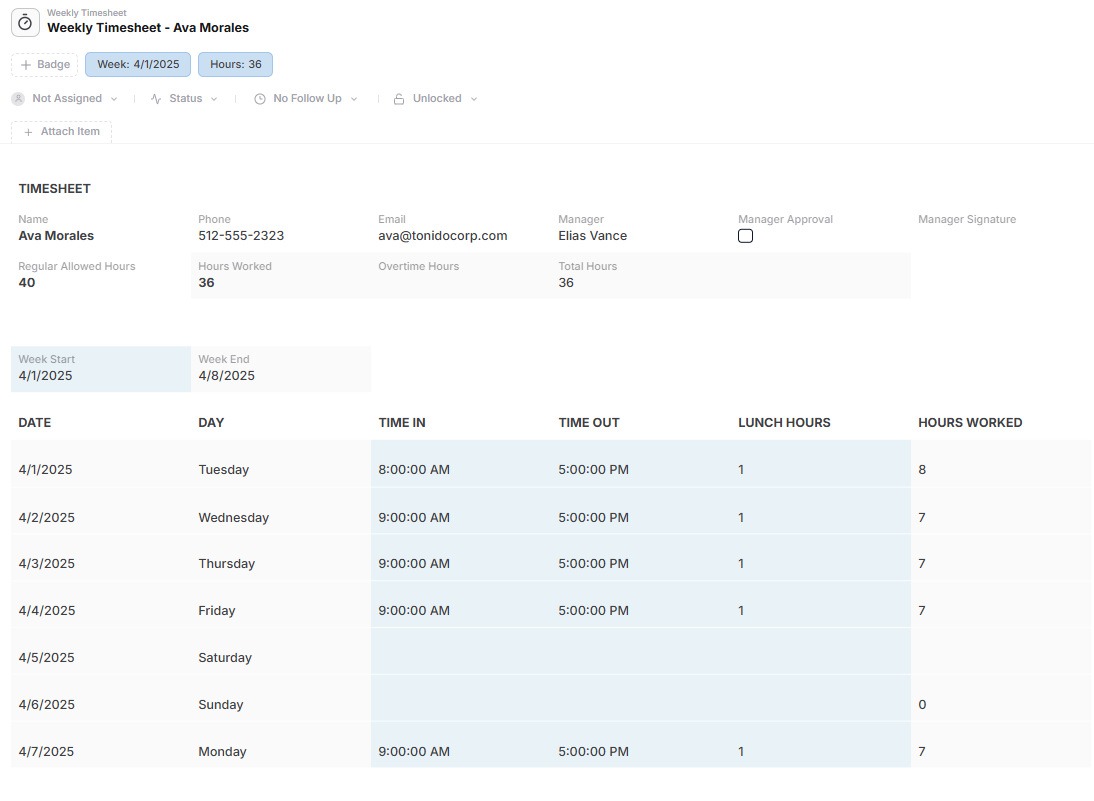
See how AnyDB powers your business operations

  • Flexible Views
  • A Natural Record Layout
  • Portals
  • Combine Objects

Flexible Views

A Natural Record Layout

Portals

Combine Objects

Run Business Operations Beyond Sites and Lists

Build one connected operational system for records, files, workflows, portals, documents, and reporting.

Get for Free
No credit card needed!

Frequently Asked Questions

How is AnyDB different from SharePoint?

SharePoint is centered on sites, pages, document libraries, lists, and Microsoft 365 collaboration. AnyDB is centered on connected operational records such as customers, orders, inventory items, projects, assets, vendors, and the workflows between them.

Can AnyDB replace a SharePoint-based business process?

Yes. AnyDB can replace operational processes built from SharePoint lists, libraries, forms, approvals, and related spreadsheets. You can begin with one workflow and expand into additional connected systems over time.

Can I migrate SharePoint list data and files into AnyDB?

Yes. SharePoint list data and files can be exported and imported into AnyDB. The AnyDB team can help map lists, columns, relationships, attachments, permissions, forms, and workflows into an object-based structure.

Does AnyDB support team files and folders?

Yes. AnyDB supports team-level files and folders as well as files attached directly to operational records. This lets teams manage shared documents while keeping contracts, photos, certificates, reports, and other files connected to the work they support.

Can AnyDB manage complex records and relationships?

Yes. AnyDB supports linked records and parent-child structures. An order can contain line items, a project can contain tasks, a product can contain components, and an asset can contain inspections and maintenance history.

Does AnyDB require Power Apps or Power Automate?

No. AnyDB includes configurable record layouts, forms, assignments, reminders, approvals, workflows, and automation within the same platform. Advanced scripting is available when a process requires custom logic.

Can external users access AnyDB?

Yes. AnyDB includes secure portals for customers, vendors, partners, contractors, and other external users. You control which records, files, fields, forms, and actions each user can access.

Can AnyDB generate documents from records?

Yes. AnyDB can generate PDFs, Word documents, spreadsheets, reports, invoices, purchase orders, certificates, and other business documents directly from live record data.

Does AnyDB include permissions and history?

Yes. AnyDB supports permissions across workspaces, roles, records, and fields. It also tracks record changes and activity so teams can preserve accountability across users and workflows.

Can AnyDB help redesign our SharePoint process?

Yes. Share your current SharePoint lists, libraries, forms, workflows, and related spreadsheets, and the AnyDB team can help design the records, relationships, permissions, portals, and automation for the first working system.