
Email-Based Submissions
Give contractors and external users a clear portal for claim details and files.
Replace email-based claim coordination, scattered documents, and manual follow-ups with one operational system for claim intake, contractor submissions, reviews, collections, payments, and visibility.
Start with portals and document intake, then expand into reviews, decisions, collections, dashboards, automations, and AI-assisted extraction.
Need help getting started? We can set up your claim management system at no cost.




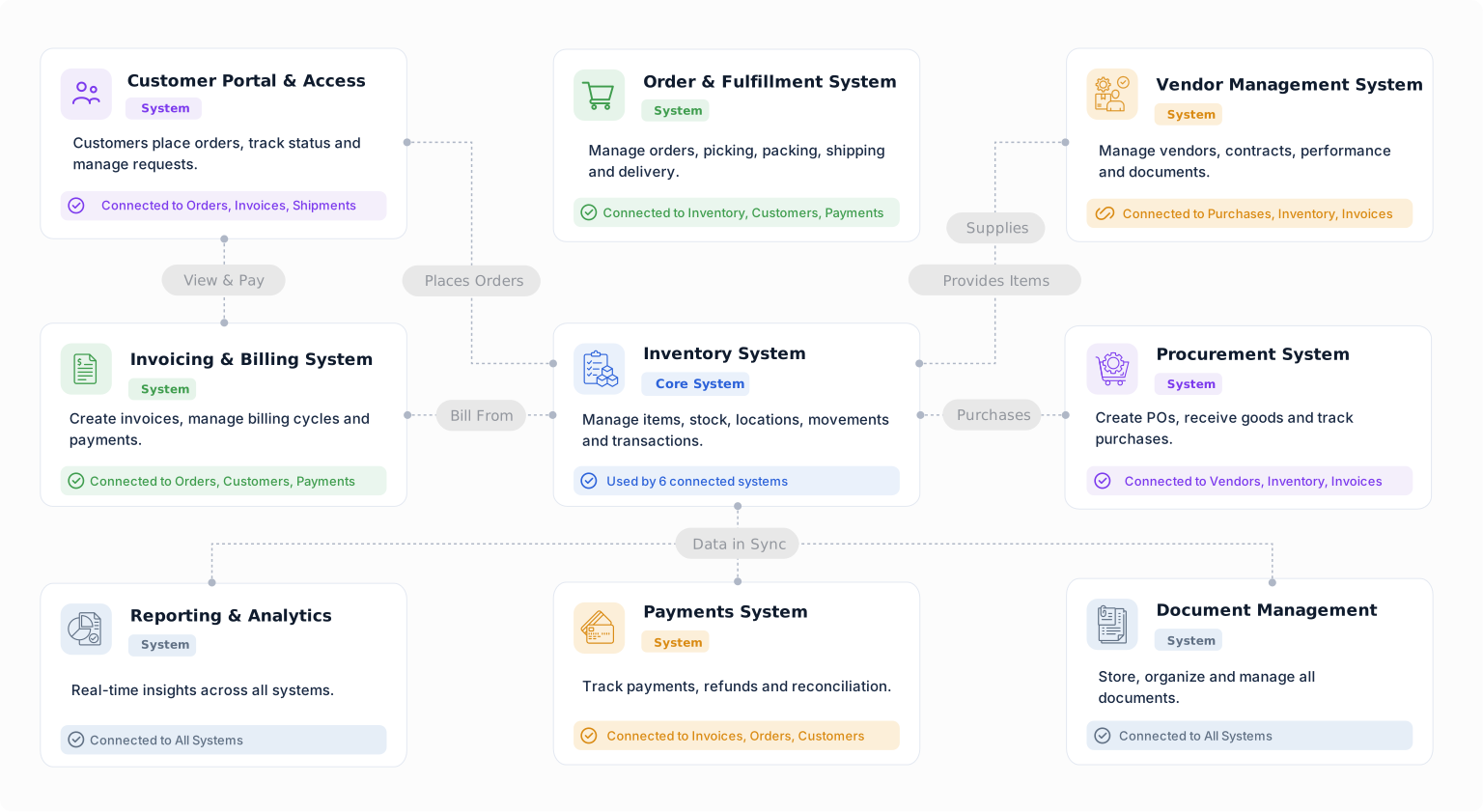
Replace email submissions, scattered files, unclear reviews, inconsistent collection follow-ups, and manual reporting with one connected claim process.
Give contractors and external users a clear portal for claim details and files.
Keep estimates, photos, agreements, reports, and invoices with the claim.
Track missing requirements, assignments, findings, decisions, and approvals.
Keep balances, recovery actions, owners, dates, and overdue activity visible.
Use live views and dashboards instead of consolidating claim updates by hand.
Explore AnyDB for free, build your own claim management system, or have our team build and manage it with you.
Explore connected claim management and secure portals.
Start Free PlanCustomize and run your own claim system.
View PlansHave your claim system built and managed for you.
Schedule DemoUse the included claim structure or customize it around your intake, contractor, document, review, recovery, and payment workflows.
Collect claim details and files from internal and external users.
2Keep every estimate, photo, invoice, and report with the claim.
3Track requirements, missing items, assignments, approvals, and history.
4Monitor recovery activity, balances, follow-ups, payments, and status.
5Adapt records, stages, portals, workflows, permissions, and dashboards.
Manage each claim as the central operational record for people, policy context, files, decisions, recovery, and payments.
Keep insured details, property, policy, providers, status, files, and history together.
Collect structured information and documents without relying on email.
Link estimates, evidence, agreements, reports, and costs to each claim.
Track requirements, assignments, findings, approvals, and complete history.
Monitor recovery, balances, follow-ups, payments, and reconciliation.
Capture claimant, insured, policy, property, incident, service provider, coverage, dates, status, and required supporting information through structured forms and secure portals.
Collect required claim, policy, property, incident, provider, and contact information.
Let contractors, insured parties, partners, and other users submit or update assigned information.
Show what has been received, what is missing, who owns the follow-up, and the next deadline.
Connect invoices, estimates, photos, agreements, reports, correspondence, property evidence, policy documents, and supporting files to one structured claim record.
Track invoice number, provider, amount, dates, line items, status, and supporting evidence.
Keep inspection evidence, contractor estimates, technical reports, and notes organized.
Maintain current files, revisions, comments, approvals, and a complete document history.
Coordinate assignments, required documents, findings, coverage checks, financial reviews, notes, decisions, approvals, next steps, deadlines, and audit history.
Define review steps, required inputs, responsible owners, due dates, and current status.
Capture notes, calculations, exceptions, recommendations, decisions, and supporting rationale.
Preserve reviewers, comments, timestamps, changes, escalations, and approval history.
Track approved amounts, outstanding balances, responsible parties, collection activity, follow-up dates, recovery status, payments, reconciliation, and overdue work.
Maintain claimed, reviewed, approved, disputed, recovered, outstanding, and paid values.
Assign follow-ups, record contact attempts, track promises, deadlines, notes, and recovery status.
Connect payment amount, method, date, reference, recipient, balance, and reconciliation history.
Customize claim types, fields, stages, portals, document requirements, review paths, collection rules, payment processes, permissions, automations, and dashboards.
Add AI-assisted extraction, new partner workflows, reports, or integrations as requirements evolve.
Model claim types, people, properties, policies, providers, documents, and terminology.
Trigger assignments, missing-item reminders, reviews, approvals, escalations, and notifications.
Give internal teams, contractors, partners, and claimants access to the right information.
Each claim becomes the central record for insured details, property, policy context, service providers, files, reviews, decisions, recovery, and payments.
Keep status, people, property, policy information, providers, files, costs, and history together.
Use controlled portals for submissions, updates, missing items, and supporting documents.
Make requirements, ownership, findings, approvals, and next steps clear.
Maintain balances, collection activity, payment status, and financial history.
Add claim types, records, stages, portals, rules, views, and dashboards over time.
Use connected records for the complete claim lifecycle.
Claimant, incident, property, policy, status, exposure, owner, files, and history.
Insured party, policy terms, coverage details, dates, limits, and eligibility context.
Contractor, provider, claimant, assigned information, forms, files, and submission history.
Invoice, estimate, photo, agreement, report, evidence, version, and review status.
Requirements, owner, findings, notes, calculations, decision, approval, and next action.
Claimed, approved, recovered, outstanding, paid, reconciled, and overdue amounts.
Collect structured claim information and supporting files without exposing internal records or relying on email threads.
Capture structured claim information, parties, policy context, and supporting files.
Connect invoices, photos, estimates, agreements, reports, and correspondence.
Track requirements, missing items, assignments, findings, decisions, and approvals.
Coordinate balances, collection actions, owners, dates, notes, and status.
Maintain approved amounts, payments, reconciliation, closure, and complete history.
Keep claims and documents connected, simplify submissions, clarify reviews, maintain payment visibility, and reduce manual follow-up.
Maintain status, files, reviews, decisions, financials, and history in one record.
Give external users a controlled place to send claim information and files.
Track each requirement, assignment, finding, decision, approval, and next step.
Keep collection, recovery, balances, payments, and reconciliation connected.
Monitor progress, exposure, recovery, overdue activity, and workload without manual consolidation.

Build a starting point for insurance claim operations with objects from the Business Object Library. Customize their fields, relationships, forms, views, and workflows around the way your team works.
Connect customer details with requests, orders, documents, and billing.
Organize policy documents, evidence, and correspondence for claim handling.
Connect assessment findings and supporting evidence to claim-related work.
Track problems, defects, and exceptions through follow-up and resolution.
Assign work, track its progress, and connect it to the broader process.
Keep calls, emails, and other interactions linked to the people and records involved.
Run claim intake, contractor portals, document collection, reviews, payments, and reporting from one operational foundation.


