Palantir Foundry Alternative
Built for Object-Based Business Operations

Build an object-based operational system around the real entities, relationships, files, actions, and workflows in your business, without implementing an enterprise-wide data and AI platform.

Unlimited guest accounts, unlimited records, built-in portals, and document generation.

Explore how AnyDB organizes business records, operations, files, and portals

Main Benefits

Model Real-World Business Objects

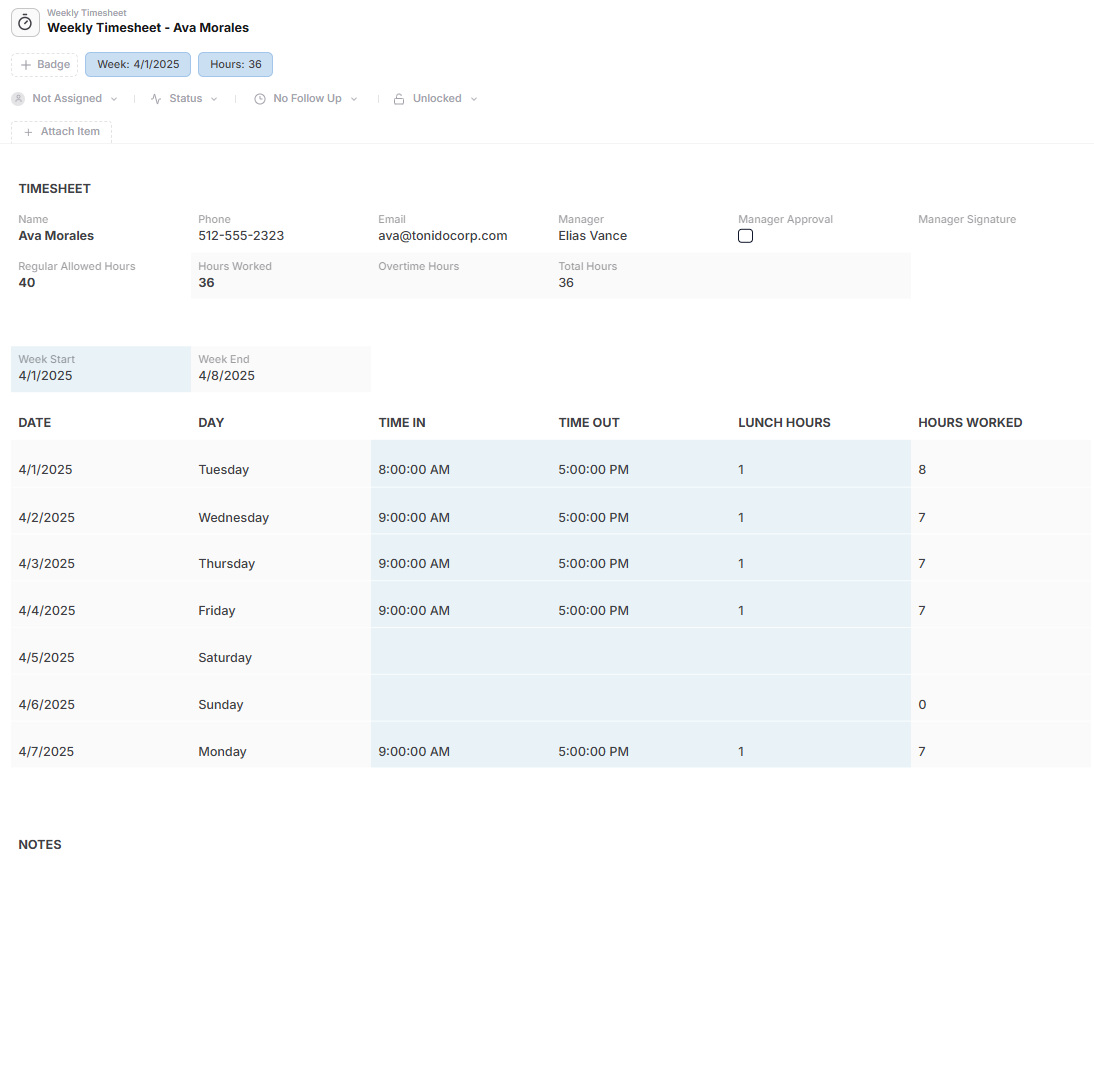
Create connected systems around customers, orders, inventory, projects, assets, vendors, claims, inspections, work orders, and other operational entities.

Connect Objects Through Relationships

Link customers to orders, assets to inspections, vendors to purchase orders, projects to tasks, and claims to documents, decisions, and payments.

Native Parent-Child Structures

Manage orders with line items, projects with tasks, products with components, inspections with findings, and assets with maintenance history.

The Object Is the Working Interface

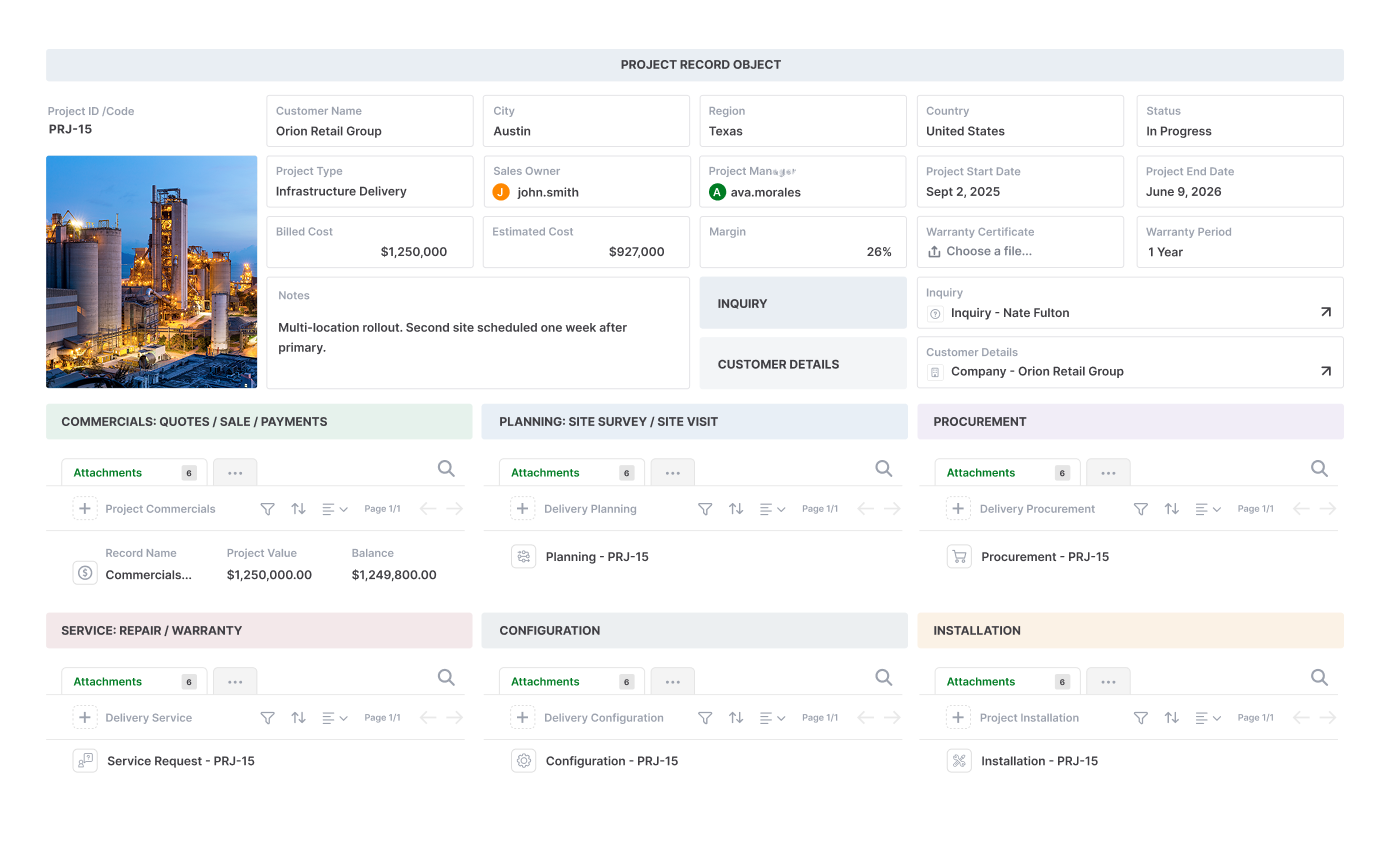
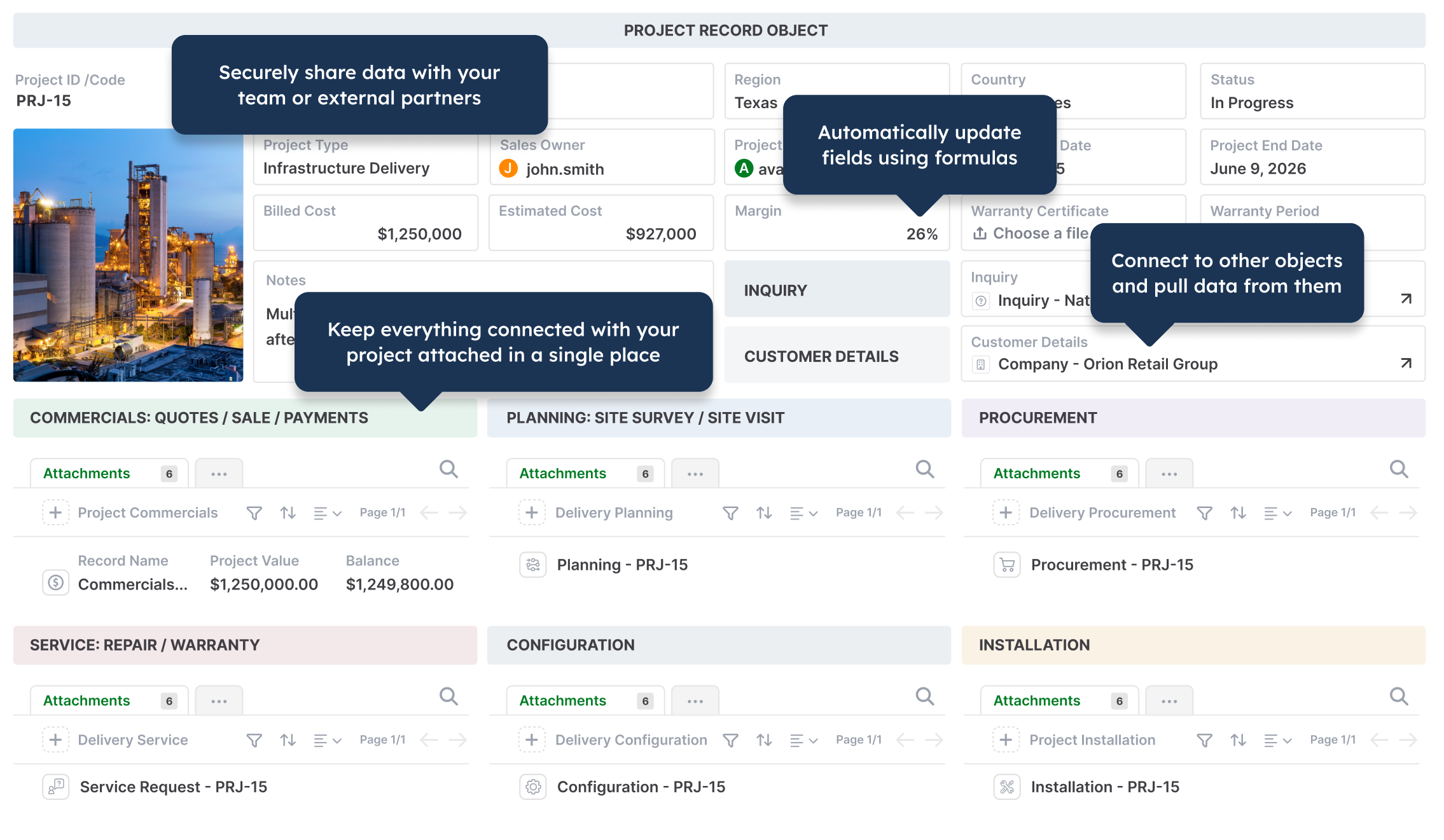
Bring fields, child records, linked records, files, pages, actions, comments, history, assignments, reminders, and related information into one operational workspace.

Actions and Workflows Stay With the Object

Add approvals, assignments, reminders, status changes, action buttons, notifications, and automation directly to the business records involved.

Built-In Portals for External Users

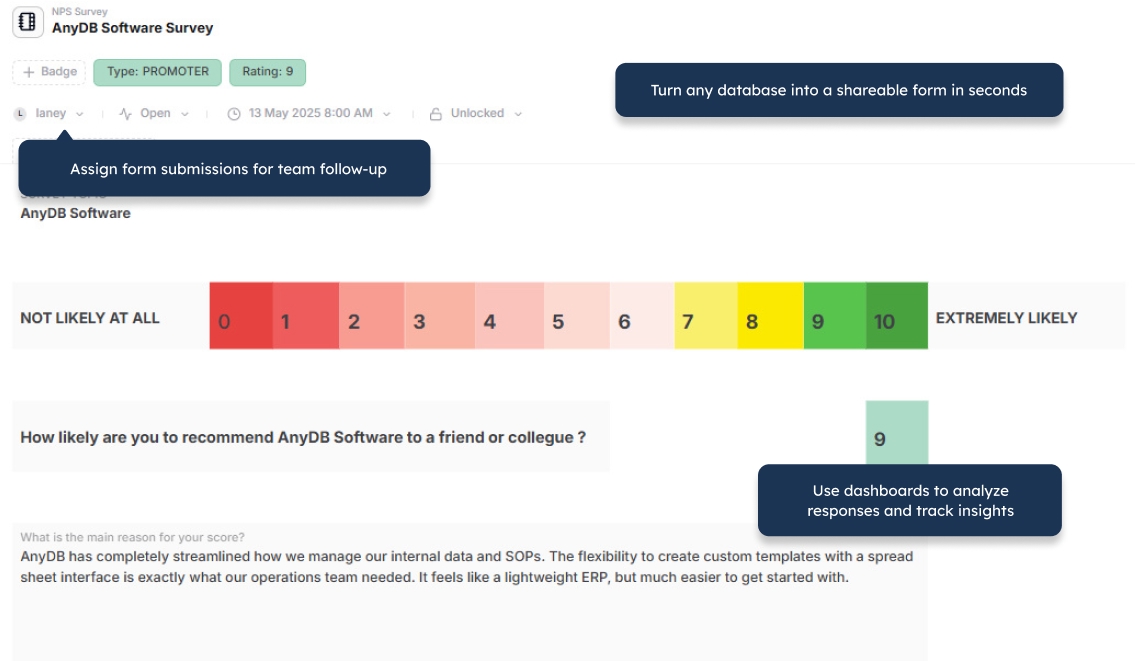
Give customers, vendors, contractors, inspectors, and partners controlled access to records, forms, files, updates, and actions.

Generate Documents From Live Objects

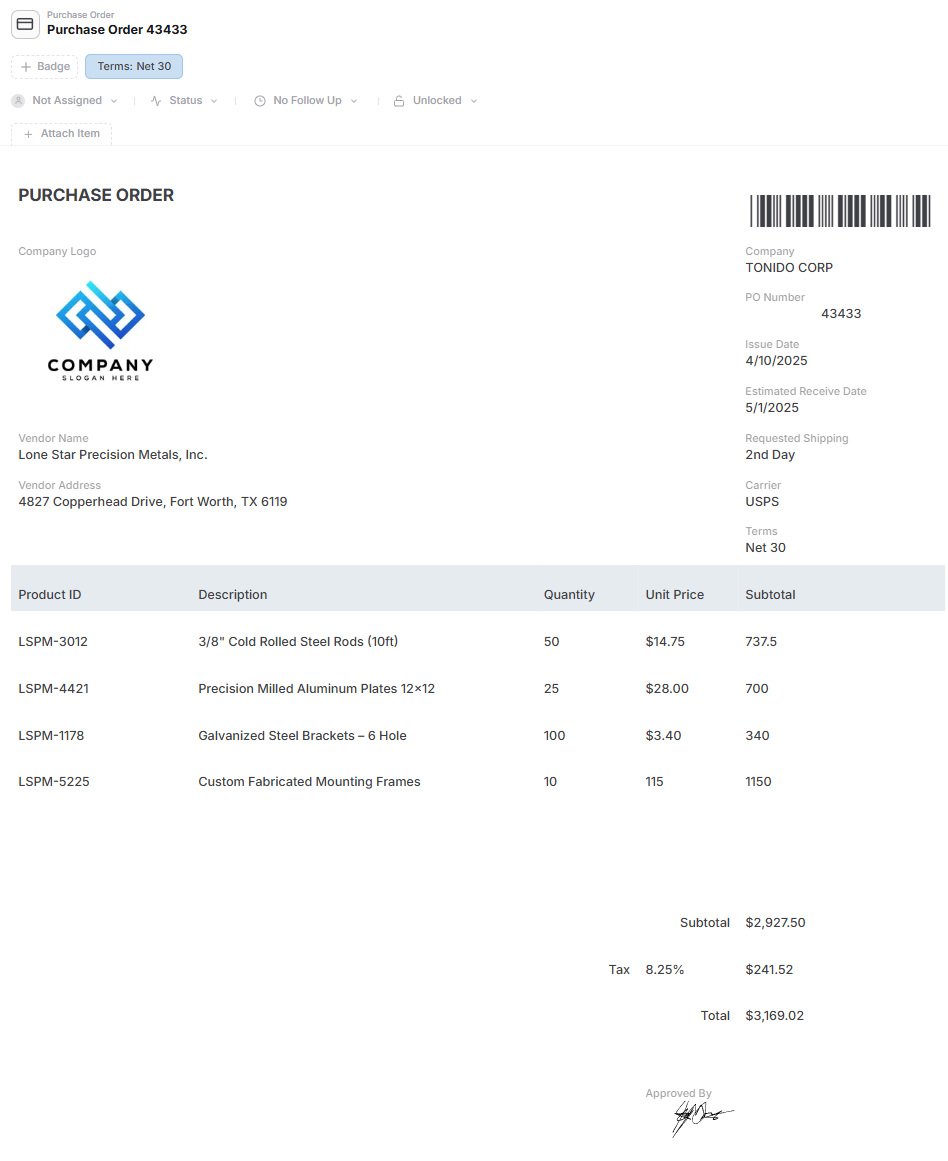
Create Word, PDF, and Excel documents such as purchase orders, claim packages, certificates, inspection reports, and work-order summaries.

Start From the Workflow, Not the Data Estate

Share your spreadsheet, process notes, or existing system and launch one working operational system without first building an enterprise data platform.

Built With You

AnyDB helps model the objects, relationships, permissions, forms, portals, documents, reports, and workflows needed for the first working system.

Palantir Foundry Is Built for Enterprise-Wide Operational Intelligence

  • Integrates data, models, analytics, applications, and operational systems across complex enterprise environments
  • Uses an Ontology to represent objects, properties, links, actions, functions, and security
  • Supports enterprise data integration, lineage, governance, AI, analytics, simulation, and real-time operations
  • Designed for organizations building a shared operational layer across many systems and data sources
  • Application experiences can be built through Object Views, Workshop, analytics tools, and APIs
  • Implementation usually involves enterprise data, platform, security, governance, and operational teams
  • Best suited to organizations that need broad data and AI infrastructure in addition to operational applications

AnyDB Is Built for Direct Operational System Delivery

  • Model real business objects such as orders, assets, projects, vendors, claims, inspections, and work orders
  • Connect objects through links and native parent-child relationships
  • Keep fields, files, pages, actions, comments, assignments, reminders, and history together
  • Build multi-step workflows around the people, records, files, and decisions involved
  • Give external users controlled access through built-in secure portals
  • Generate Word, PDF, and Excel documents directly from live operational records
  • Start with one workflow and expand without creating an enterprise-wide data-platform program

Both platforms model the business through objects and relationships.
They operate at very different levels of scope and complexity.

Palantir Foundry creates an enterprise operational layer across data, analytics, AI, and applications. AnyDB gives operations teams a direct path to connected operational systems.

Palantir Foundry’s Ontology maps enterprise data and models to real-world objects, properties, links, actions, and functions. It can support digital twins, advanced analytics, AI-enabled operations, complex governance, and operational applications across large organizations.

AnyDB starts closer to the operational team.

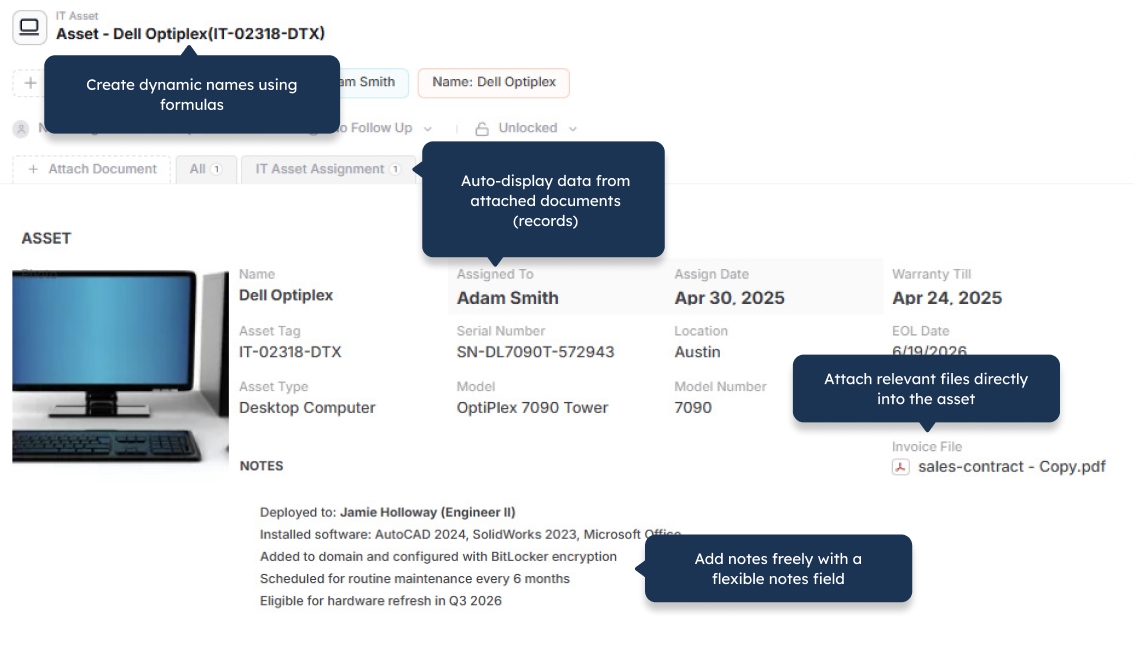
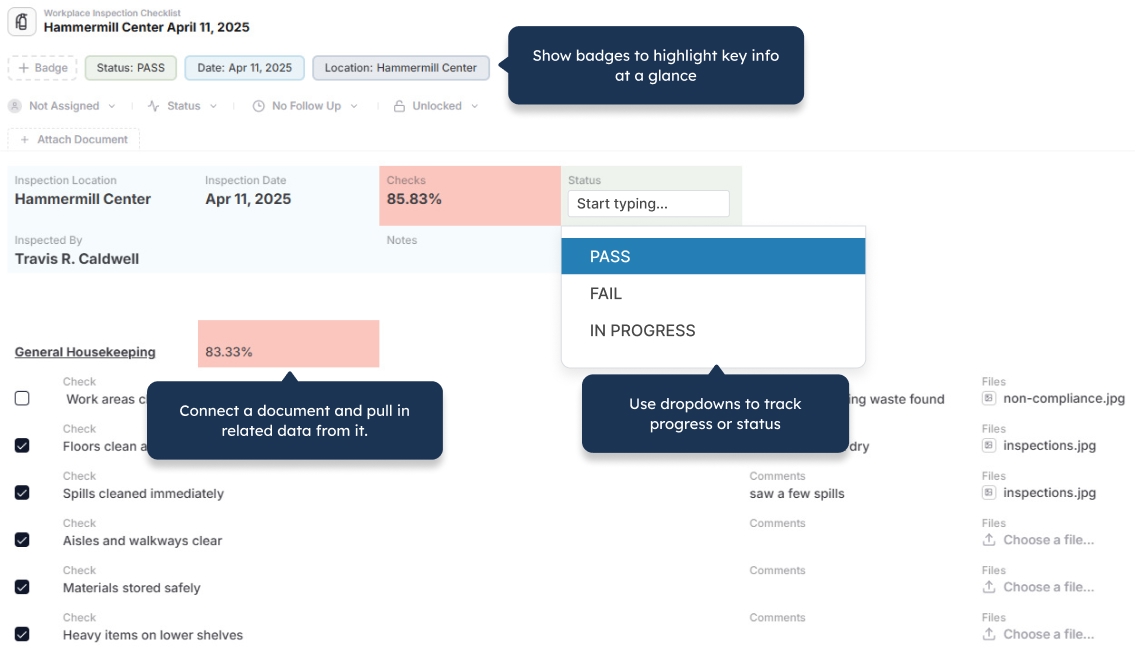
An order can contain line items and fulfillment activity. A project can contain tasks, files, approvals, and assigned teams. An asset can contain inspections, maintenance history, photos, and documents. A claim can contain supporting documents, reviewers, payment directions, collection activity, and a complete history.

The goal is not to recreate Palantir’s enterprise data-platform scope. The goal is to give SMB and mid-market operations teams an accessible object-based system for running the workflows they depend on every day.

Object-Based Operations Without Enterprise Platform Complexity

Both platforms recognize that the business is made of real entities, relationships, actions, and processes. AnyDB packages those ideas for operational teams that need a working system without first building an enterprise ontology and data platform.

Objects Customers, orders, assets, vendors, projects, claims, and work orders
Relationships Links between the entities, events, people, files, and processes
Actions Approvals, assignments, status changes, document generation, and automation
Interfaces Record layouts, forms, views, pages, portals, reports, and dashboards
History Changes, comments, decisions, files, and execution activity over time

Palantir Foundry and AnyDB Share an Object-Based Idea, Not the Same Platform Scope

Foundry is an enterprise data and operations platform. AnyDB is a focused operational systems platform for teams that need to build and run connected workflows directly.

Comparison Area Palantir Foundry AnyDB
Core model Enterprise data operating system built around an Ontology Object-based operational systems platform
Primary scope Data integration, analytics, AI, governance, operational applications, and enterprise workflows Inventory, purchasing, orders, projects, assets, vendors, claims, approvals, files, portals, and documents
Object model Objects, properties, links, actions, functions, interfaces, and security mapped to enterprise data Objects, child records, linked records, fields, actions, files, pages, permissions, and workflows
Starting point Enterprise data sources, models, applications, and operational systems Your workflow, spreadsheet, database, or process notes
Application model Object Views, Workshop applications, analytics tools, APIs, and platform services Record layouts, forms, tables, cards, calendars, pages, reports, portals, and automation
Data integration Core enterprise strength across large and complex data environments Integrations and custom setup around the operational system
AI and analytics Advanced enterprise AI, modeling, analytics, simulation, and decision support AI-assisted building, workflow automation, reports, and operational intelligence
External users Depends on application, security, and deployment architecture Unlimited guest portal users included
Documents Can be handled through configured applications and workflows Native Word, PDF, and Excel generation from live records
Implementation model Enterprise platform program involving data, security, governance, technical, and operational teams Built with you directly by AnyDB, starting with one workflow
Best fit Large organizations operationalizing complex data, analytics, AI, and decisions at enterprise scale SMB and mid-market operations teams needing a connected, adaptable system of record

Choose the Right Level of Platform

Choose Palantir Foundry When You Need

  • Enterprise-scale data integration across many complex systems
  • Advanced data lineage, governance, security, and platform administration
  • AI and machine-learning operationalization
  • Digital twins, simulation, real-time analytics, and decision intelligence
  • A shared enterprise Ontology spanning many departments and systems
  • A major enterprise platform program with dedicated technical teams

Choose AnyDB When You Need

  • A working operational system for one team or process
  • Object-based inventory, orders, projects, assets, vendors, claims, or approvals
  • Forms, files, portals, generated documents, reports, and workflows together
  • Direct implementation help using your current workflow or spreadsheet
  • Less technical ownership and a faster route to daily operational use
  • A system that can expand gradually across the business

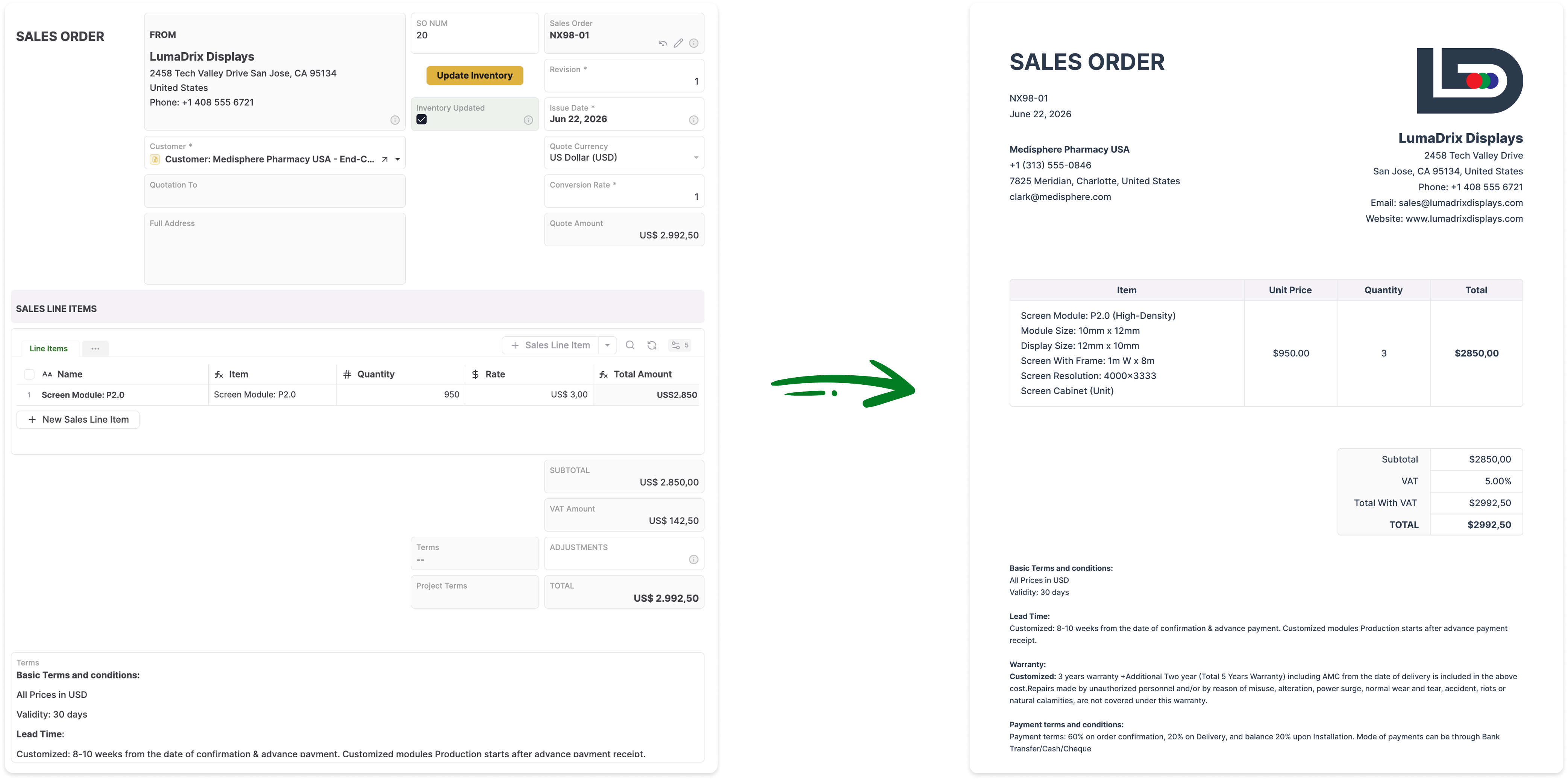
Generate Documents Directly From Your Live Records

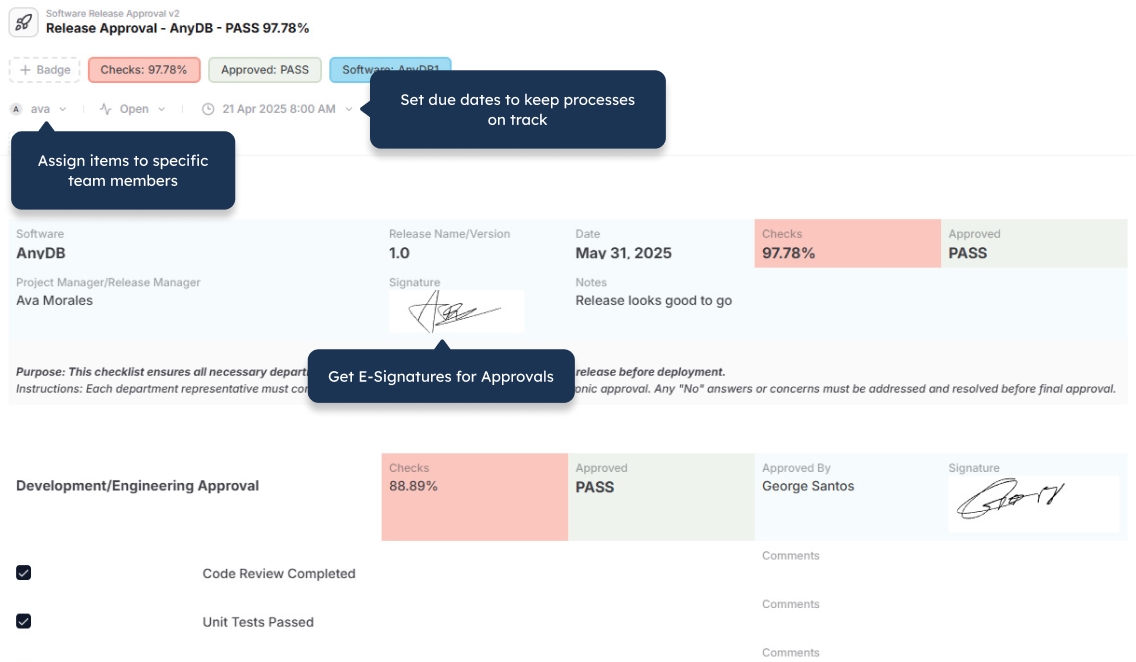
Turn AnyDB records into professional, ready-to-share PDFs / Docx / XLSX with fields, linked data, tables, terms, and other relevant information automatically included.

How it Works?

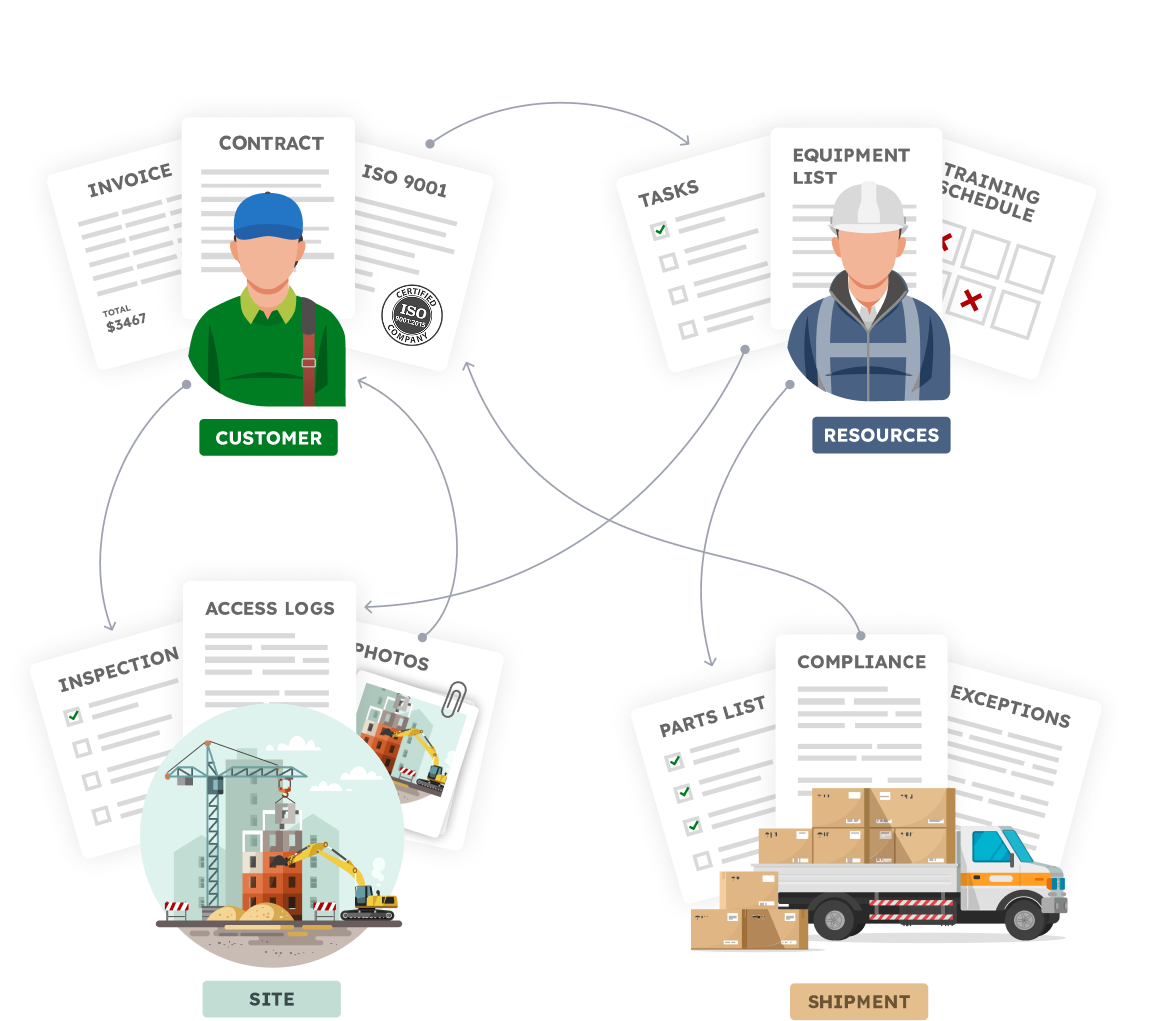
Your Business is made of Real Things

  • A vendor with certifications, contracts, invoices
  • A site with inspections, photos, access logs
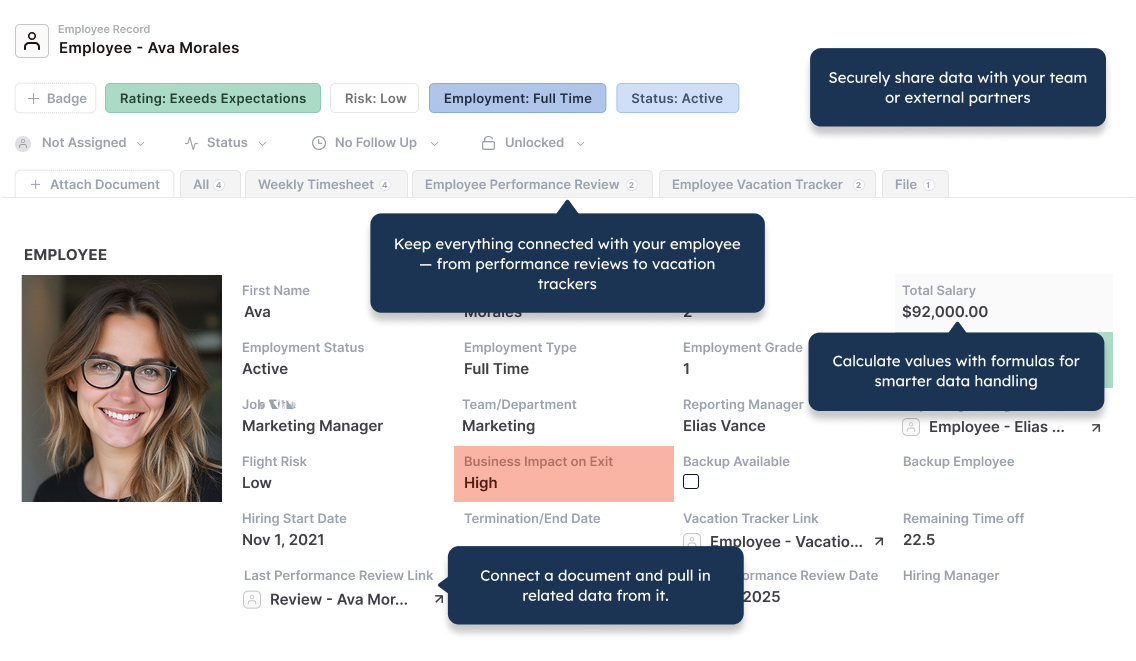
  • An employee with tasks, training, equipment
  • A shipment with parts, compliance documents, exceptions

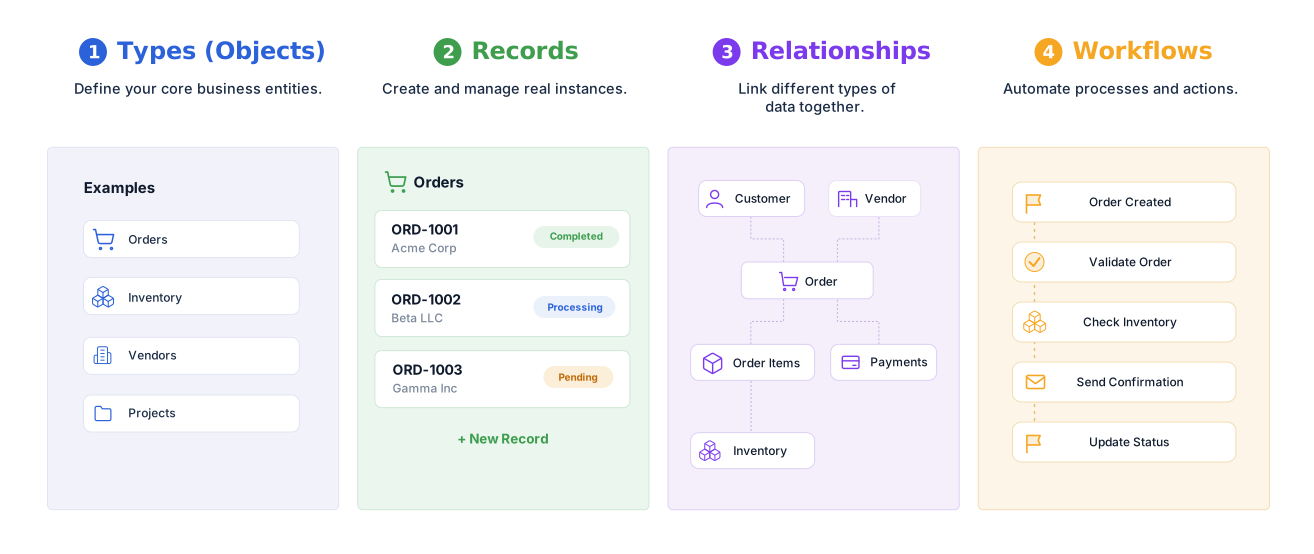
Define your structure, connect your data,
and automate how work flows.


Familiar to use.Built for real operations.


Model real-world business objects.
Keep relationships, files, actions, and workflows together

See how AnyDB powers your business operations

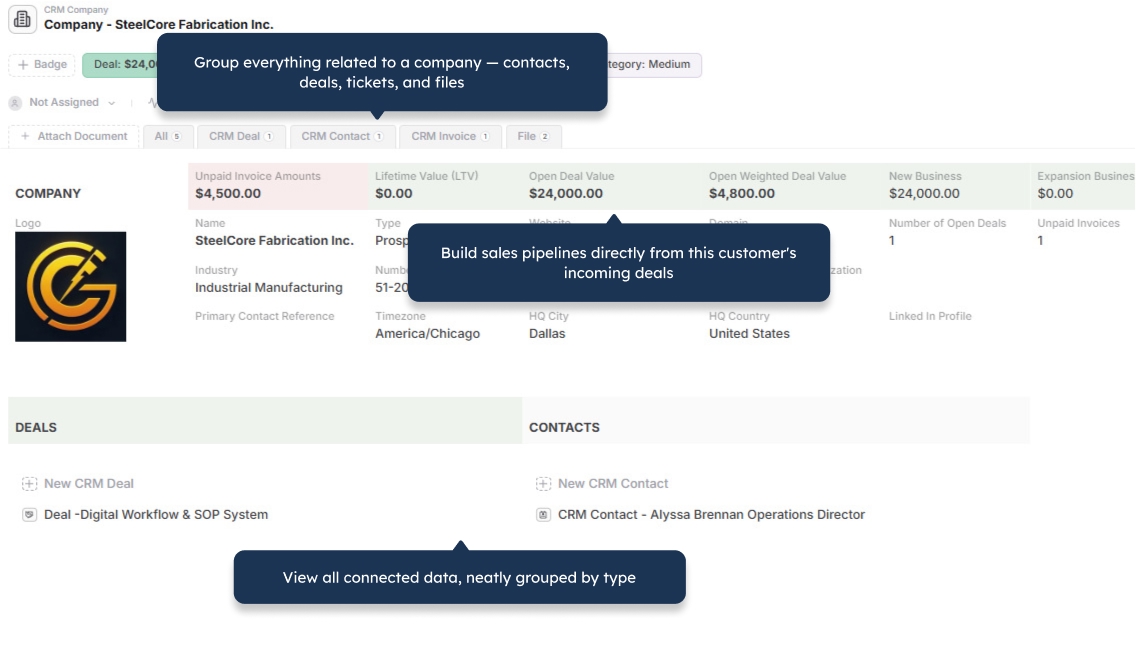
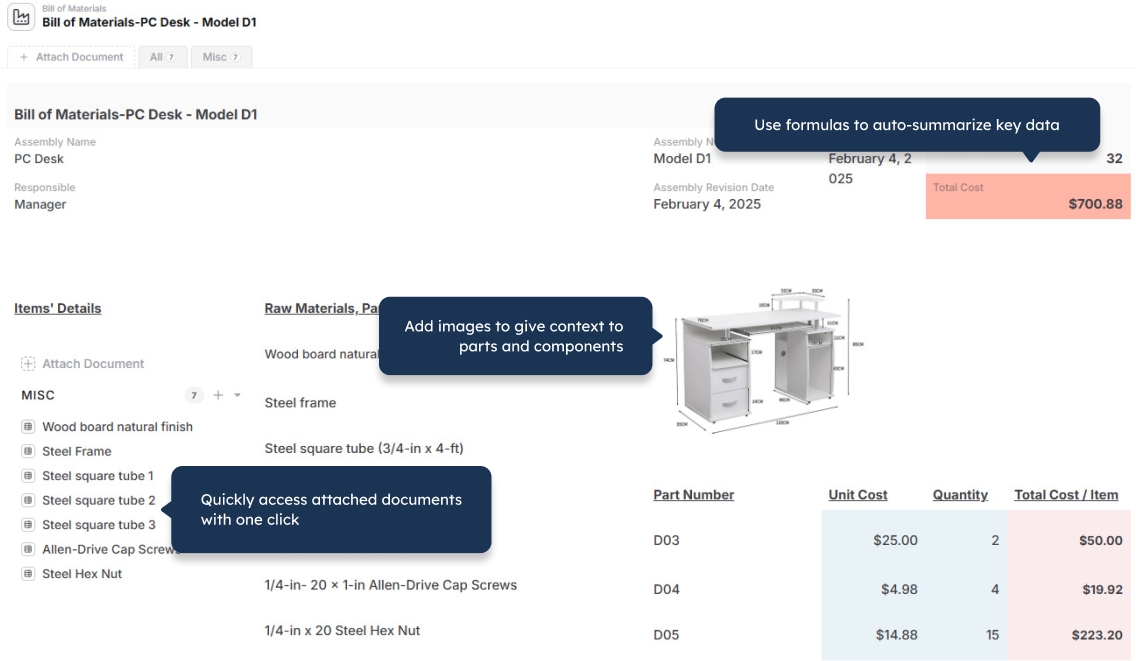
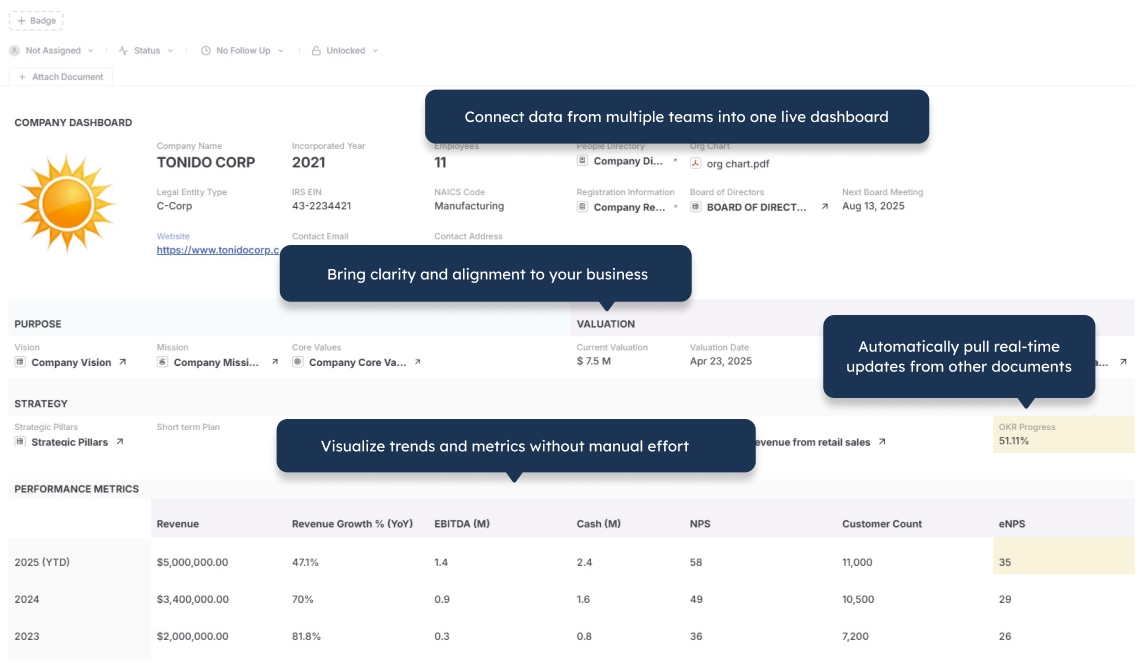
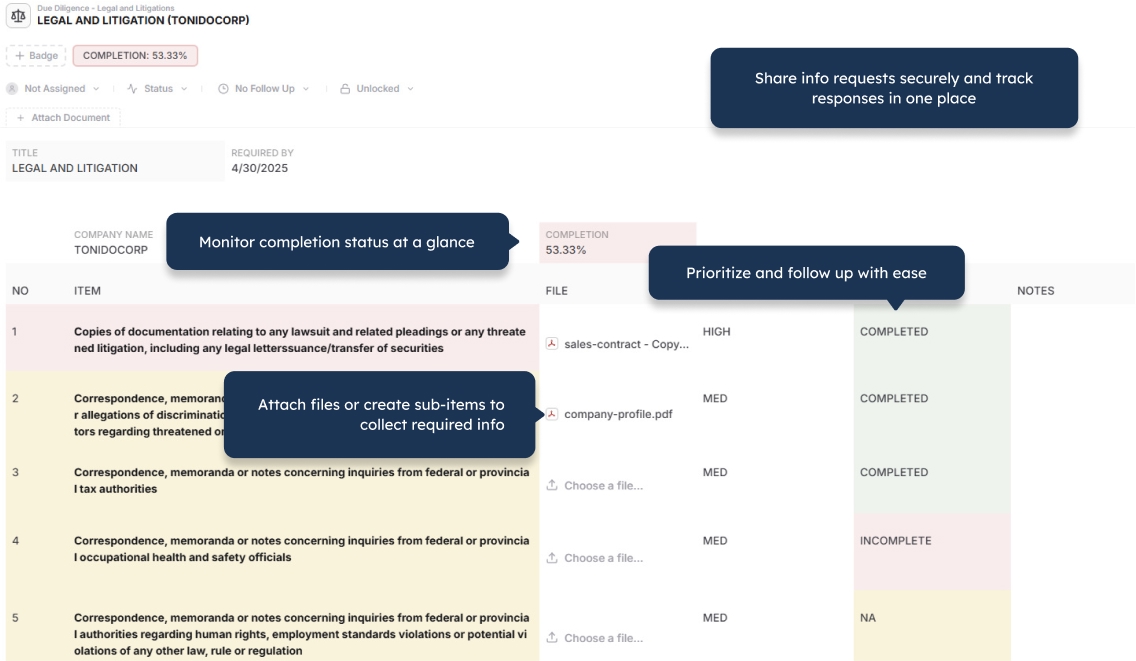
  • Flexible Views
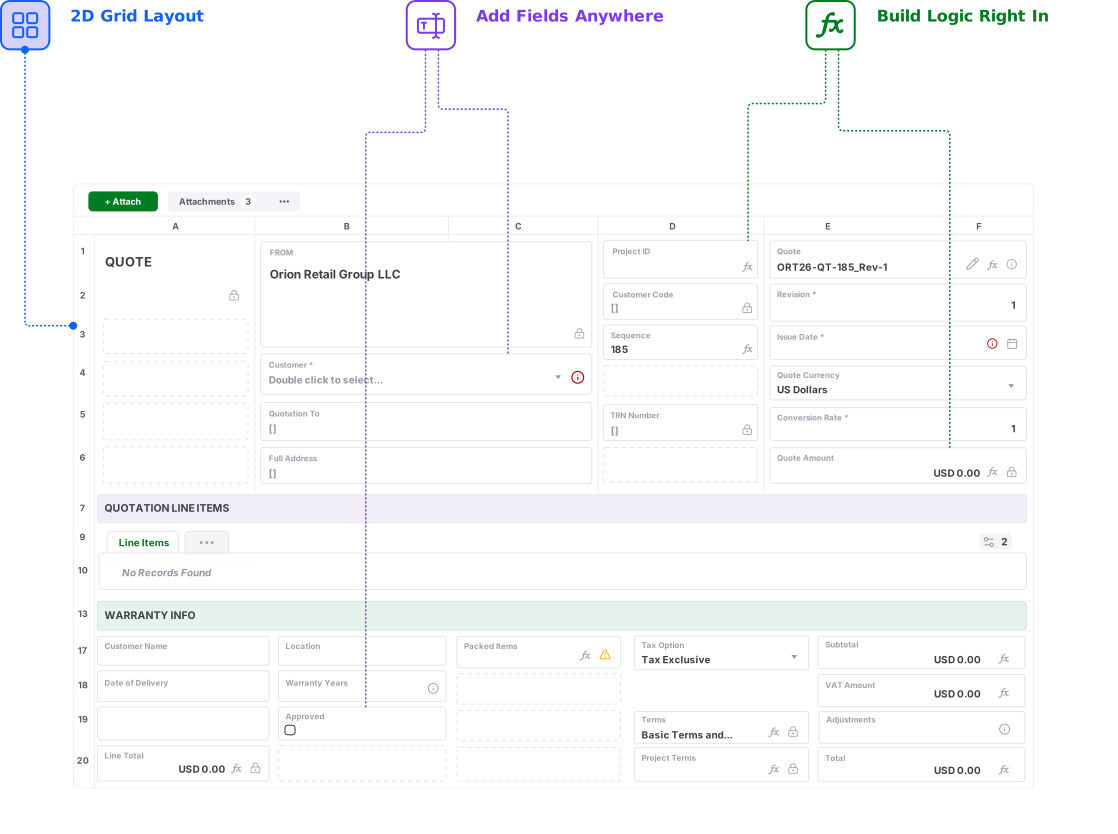
  • A Natural Record Layout
  • Portals
  • Combine Objects

Flexible Views

A Natural Record Layout

Portals

Combine Objects

See What Your Object-Based Operations Would Look Like in AnyDB

Send us your spreadsheet, database, workflow, or process notes. We will show you how it can become a connected object-based operational system.

Get for Free
No credit card needed!

Frequently Asked Questions

How is AnyDB different from Palantir Foundry?

Palantir Foundry is an enterprise data operating system that integrates data, models, analytics, AI, governance, and operational applications through an Ontology. AnyDB is a focused object-based operations platform for building connected systems around inventory, orders, projects, assets, vendors, claims, approvals, files, portals, documents, and workflows.

Do AnyDB and Palantir Foundry both use object-based models?

Yes, at a conceptual level. Both represent real-world entities and the relationships between them. Foundry’s Ontology includes objects, properties, links, actions, functions, interfaces, and security mapped across enterprise data. AnyDB provides objects, child records, linked records, fields, files, actions, pages, permissions, and workflows for direct operational use.

Is AnyDB a full replacement for Palantir Foundry?

No. AnyDB does not attempt to replace Foundry’s enterprise data integration, advanced analytics, AI, simulation, digital-twin, governance, or large-scale platform capabilities. It is an alternative for organizations that want object-based operational systems without implementing that broader enterprise platform scope.

Who is AnyDB best suited for?

AnyDB is designed for SMB and mid-market operations teams that need connected systems for inventory, purchasing, orders, projects, assets, vendors, claims, inspections, compliance, approvals, documents, and external participants.

What makes AnyDB object-based?

AnyDB organizes work around real business records. An order can contain line items and fulfillment activity, a project can contain tasks and approvals, a product can contain components, an asset can contain inspections and maintenance history, and a claim can contain documents, reviews, decisions, and payments.

Can AnyDB connect objects across different operational systems?

Yes. Records and workspaces can be connected across inventory, purchasing, projects, customers, vendors, assets, compliance, claims, orders, and other operational areas.

Can external users access AnyDB?

Yes. AnyDB includes secure portals for customers, vendors, contractors, partners, inspectors, and other external users. You control which records, files, fields, forms, and actions each user can access.

Can AnyDB generate documents from objects?

Yes. AnyDB can generate Word documents, PDFs, Excel files, purchase orders, invoices, claim packages, certificates, inspection reports, work-order reports, and other outputs directly from live operational data.

Does AnyDB require an enterprise data-platform implementation?

No. You can begin with one workflow, spreadsheet, database, or process. The AnyDB team can help model the objects, relationships, permissions, forms, portals, documents, reports, and automation needed for the first working system.

Can AnyDB help design the first object-based operational system?

Yes. Share your current workflow, spreadsheet, database, or process notes, and the AnyDB team can help build the first connected system using your actual records and requirements.