Salesforce Operations Alternative
Built for Business Operations

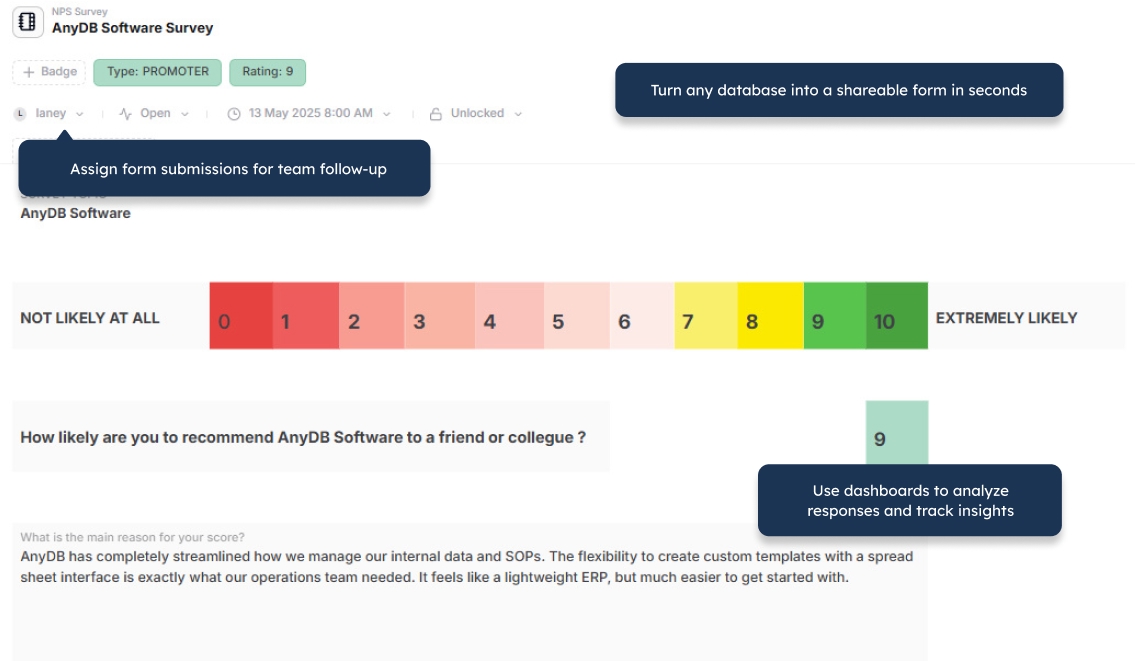
Build connected systems for orders, inventory, projects, assets, vendors, claims, files, portals, and workflows without turning every operational process into a Salesforce implementation project.

Unlimited guest accounts, unlimited records, built-in portals, and document generation.

Schedule Demo
Book a demo and let us set up AnyDB for you. Free of charge!

Explore how AnyDB organizes business records, operations, files, and portals

Main Benefits

Built Around Operational Objects

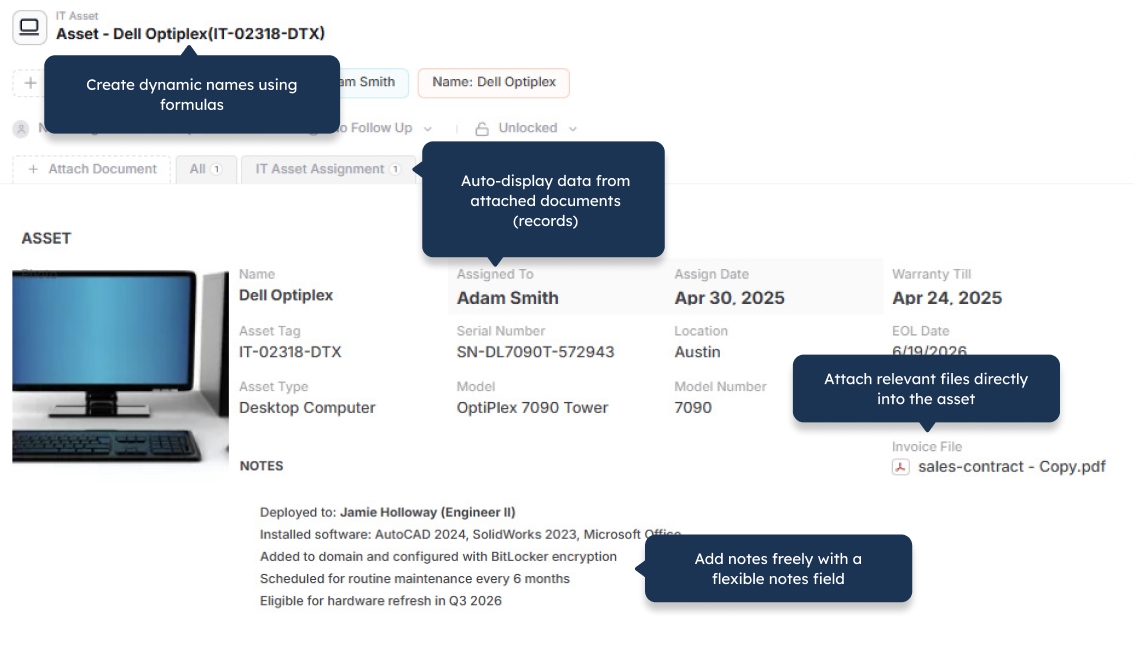
Model orders, inventory, projects, assets, vendors, claims, inspections, work orders, customers, and other business records around how the operation actually runs.

Native Parent-Child Structures

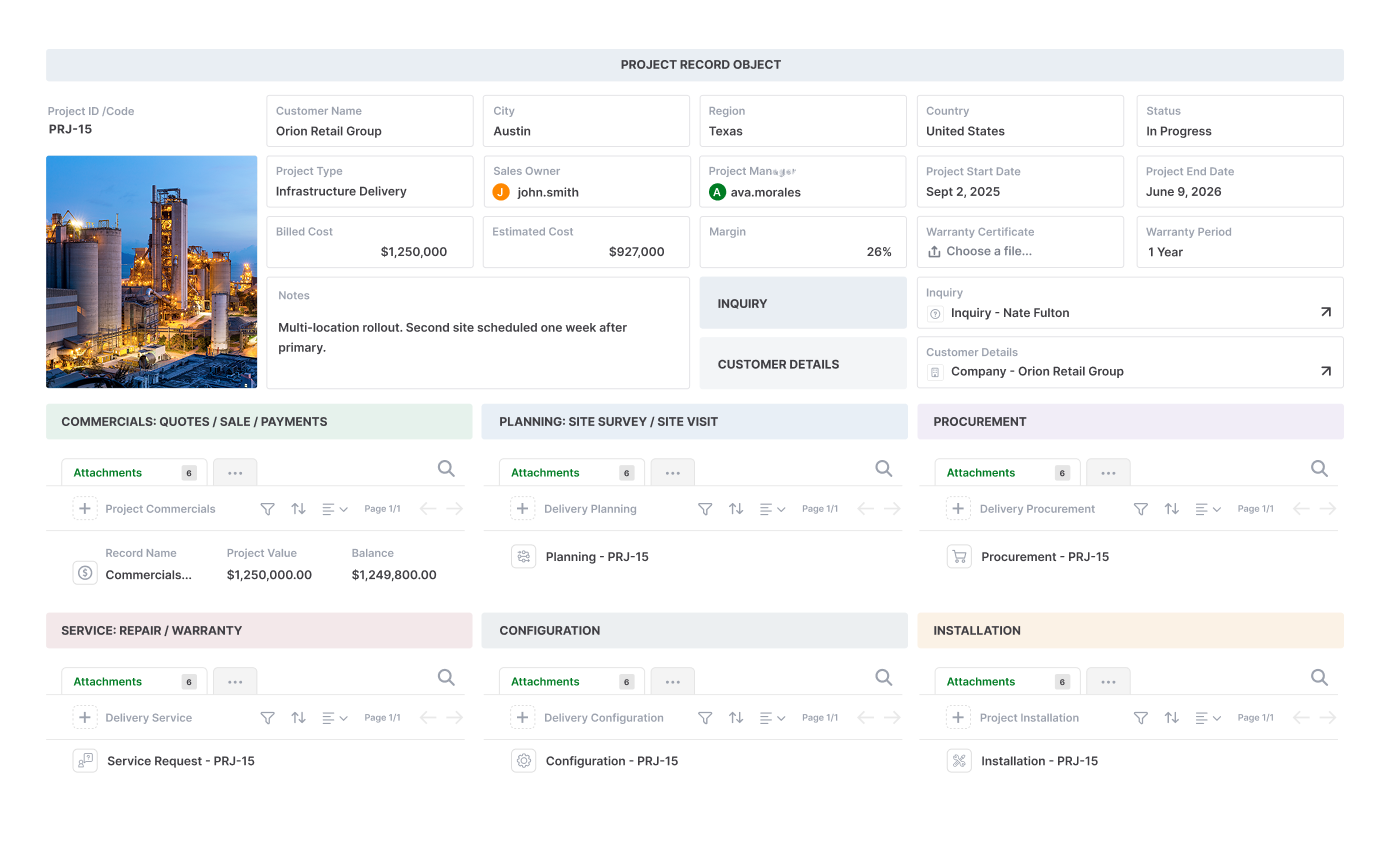
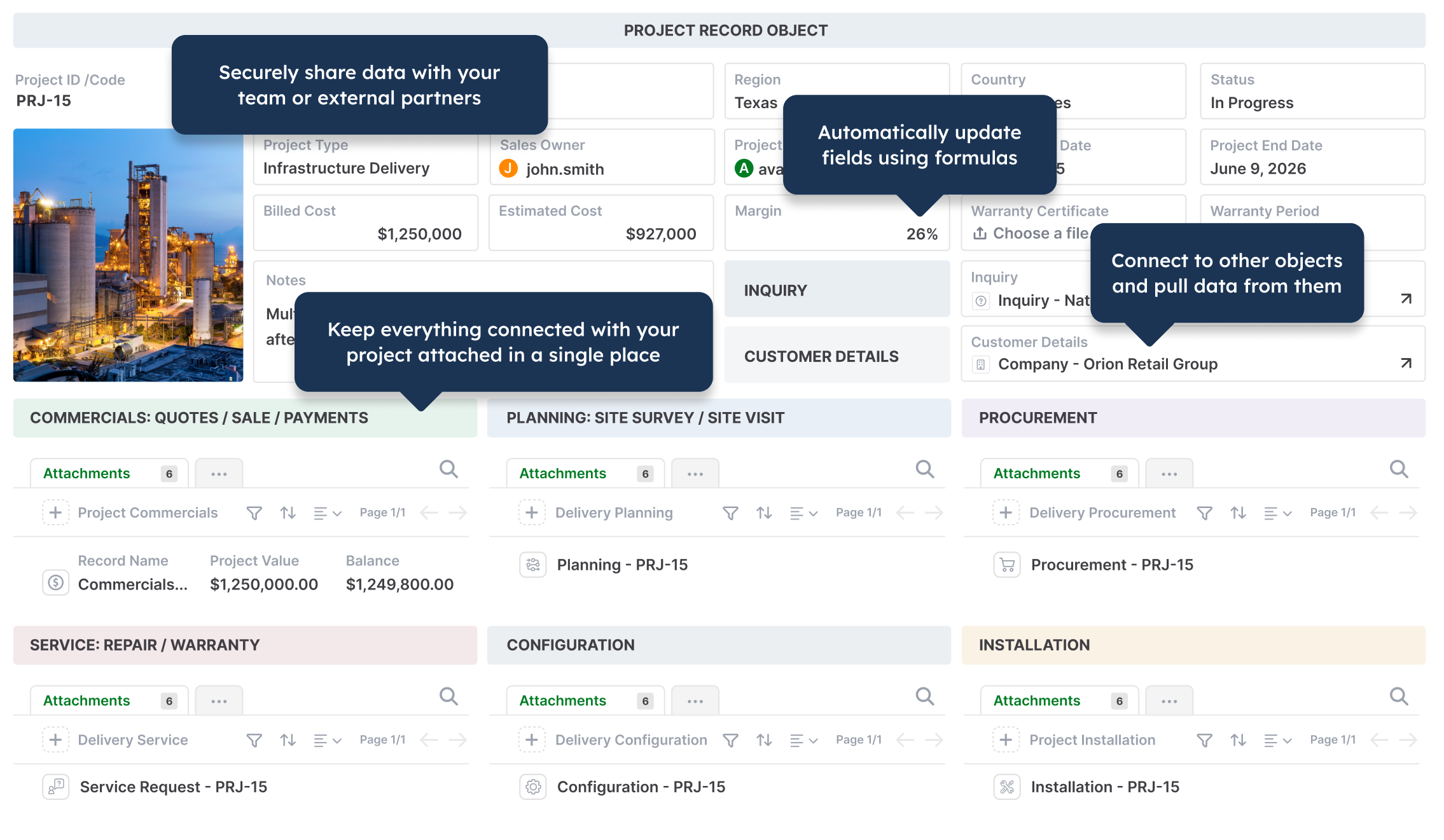
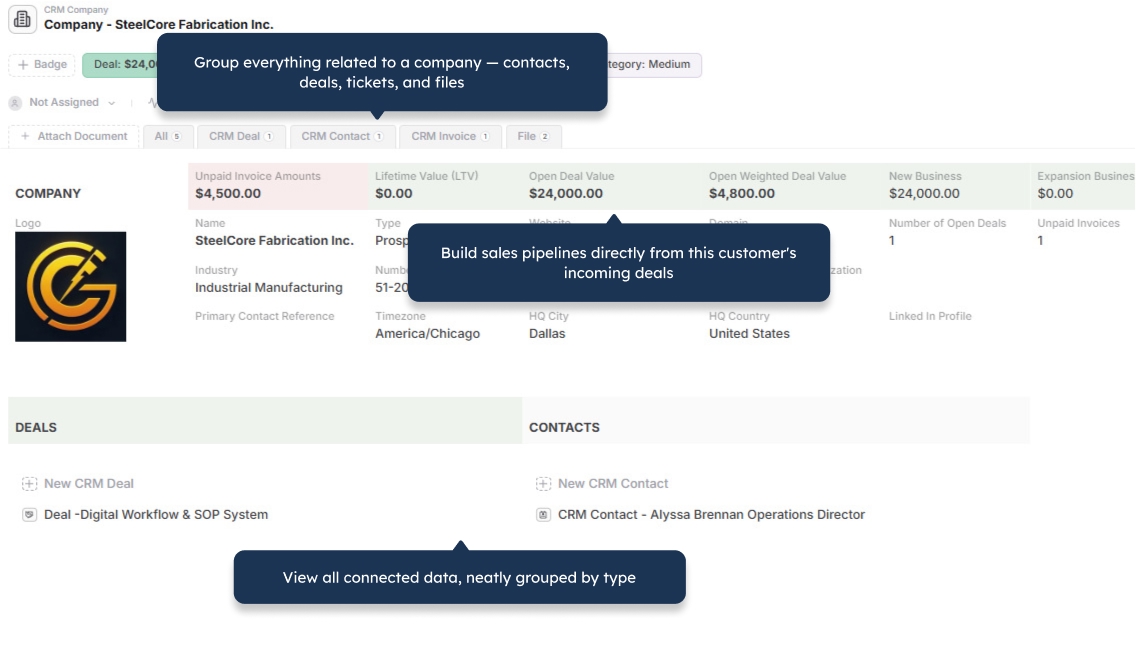
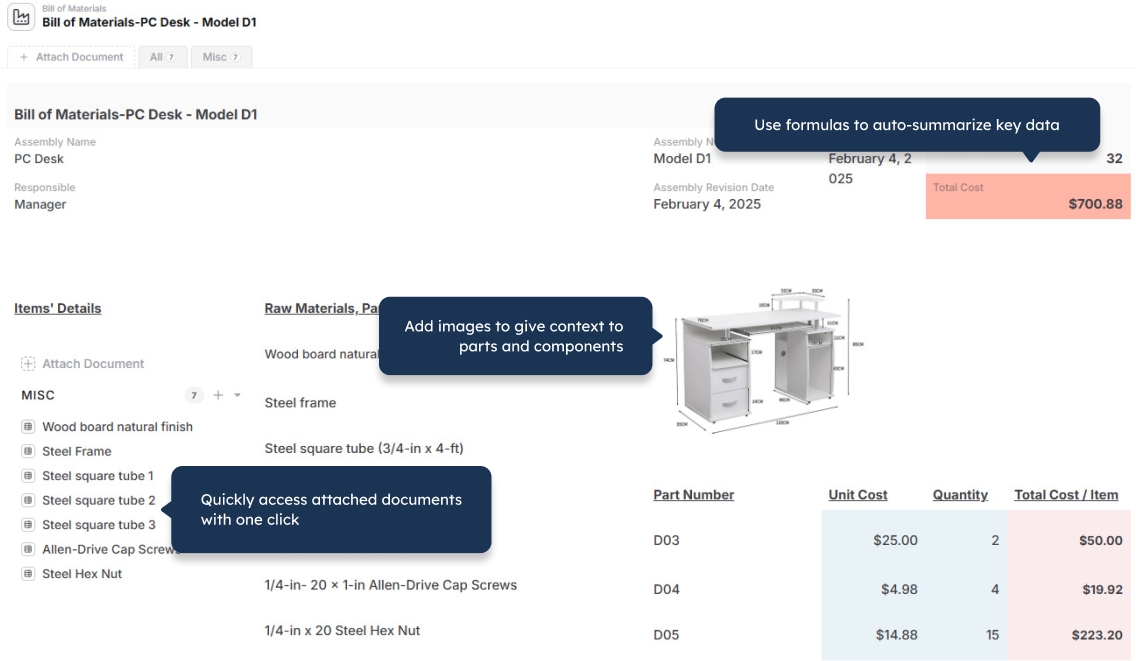
Manage orders with line items, claims with supporting documents, projects with tasks, products with components, and assets with inspections and maintenance history.

The Record Is the Working Interface

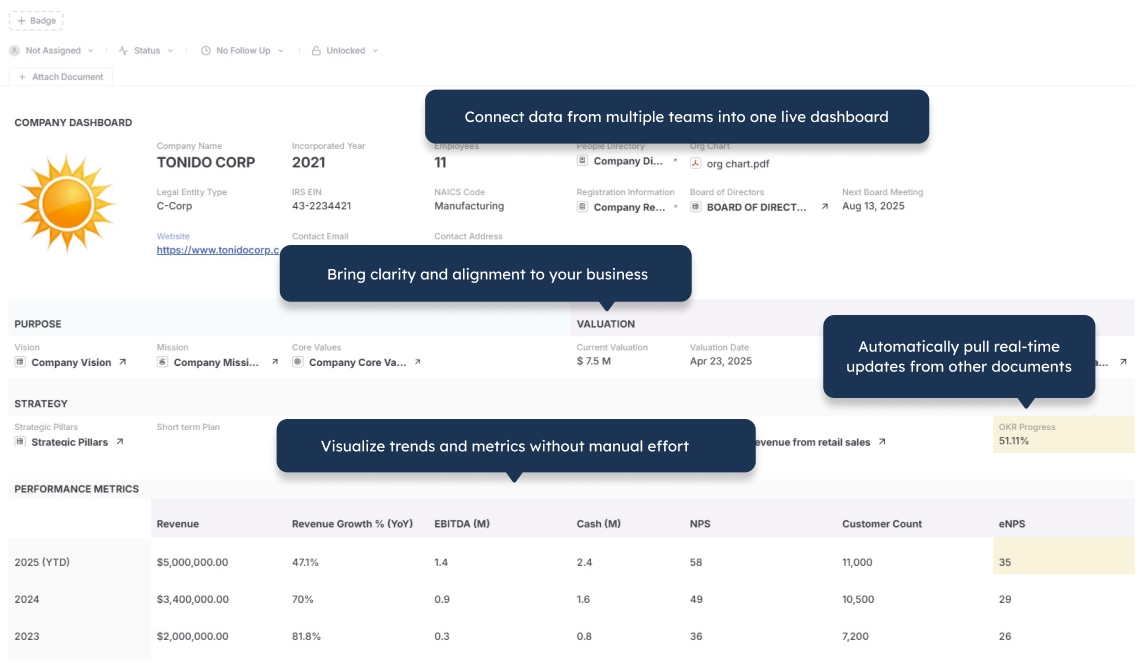
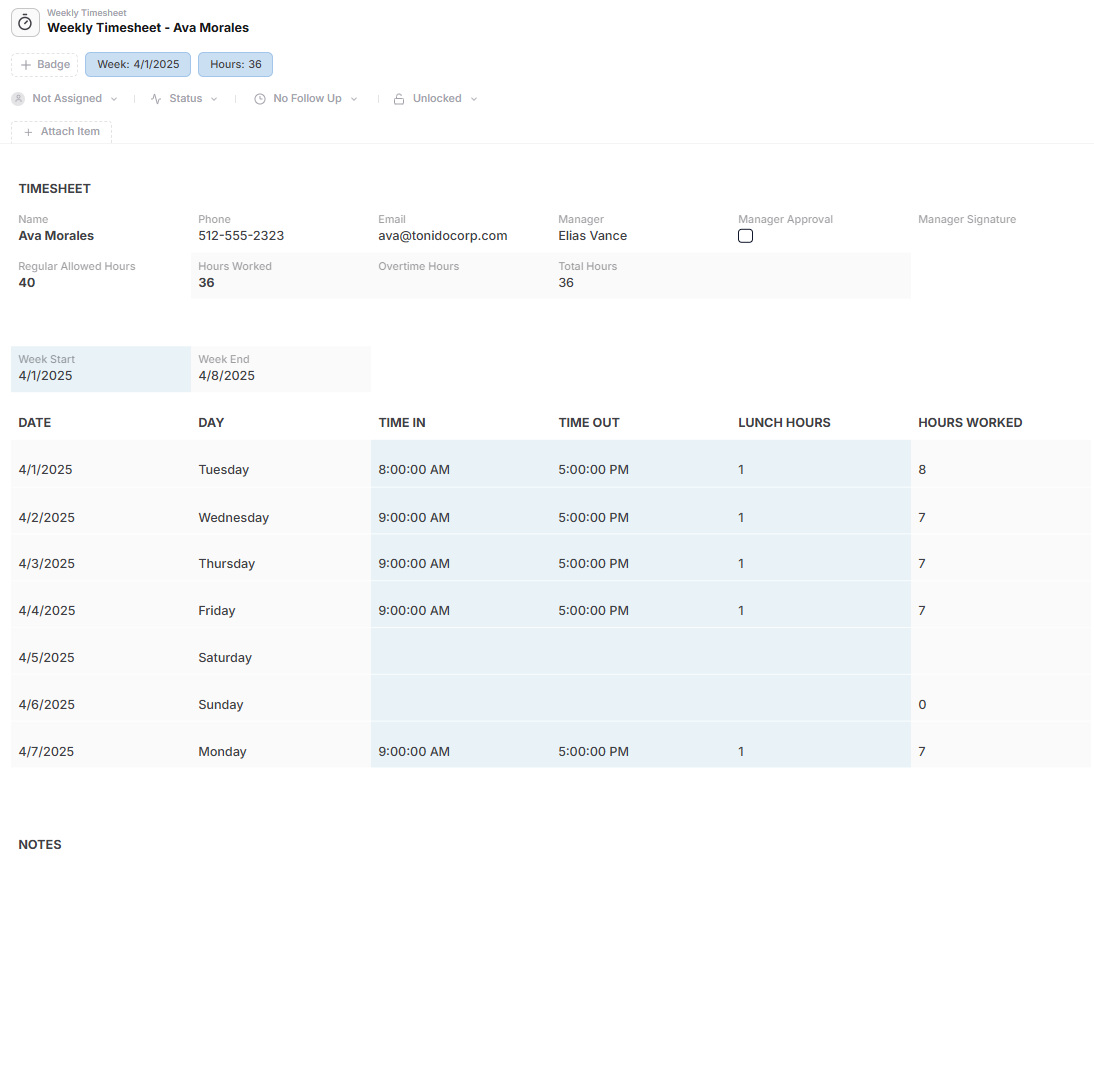
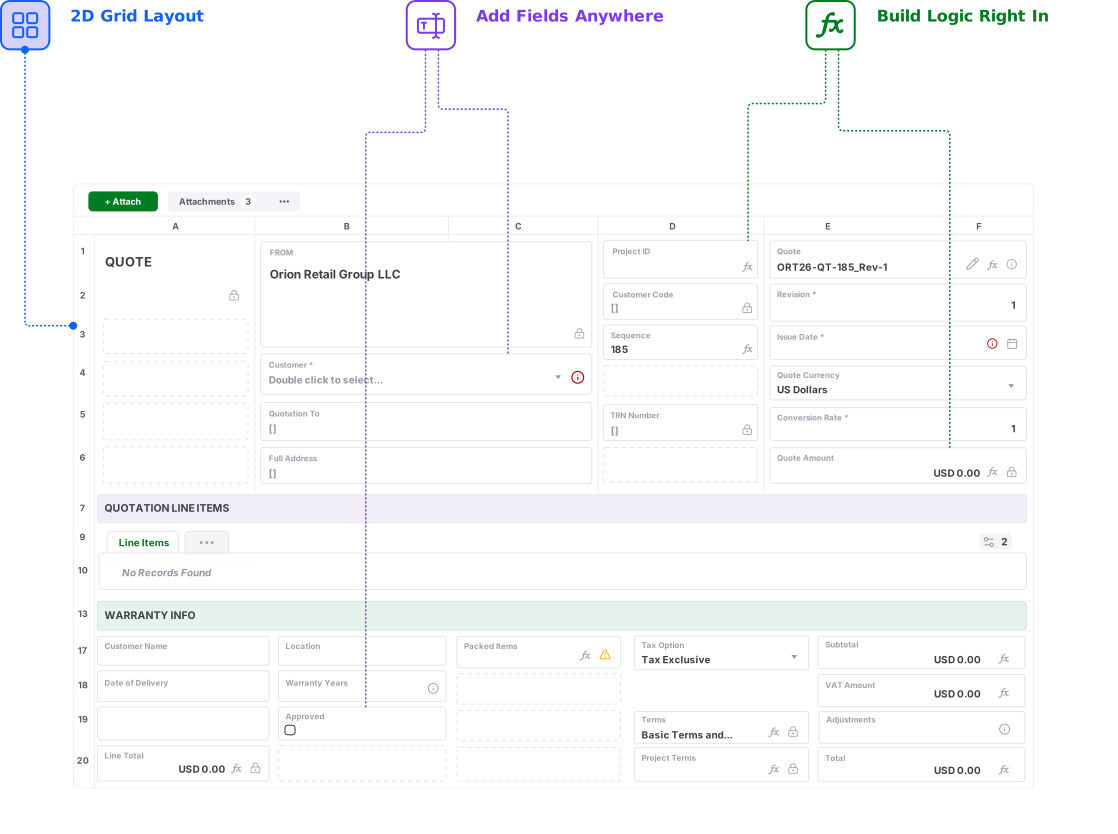
Bring fields, child records, linked records, files, pages, actions, comments, history, assignments, reminders, and related information into one operational layout.

Files and Workflows Stay Together

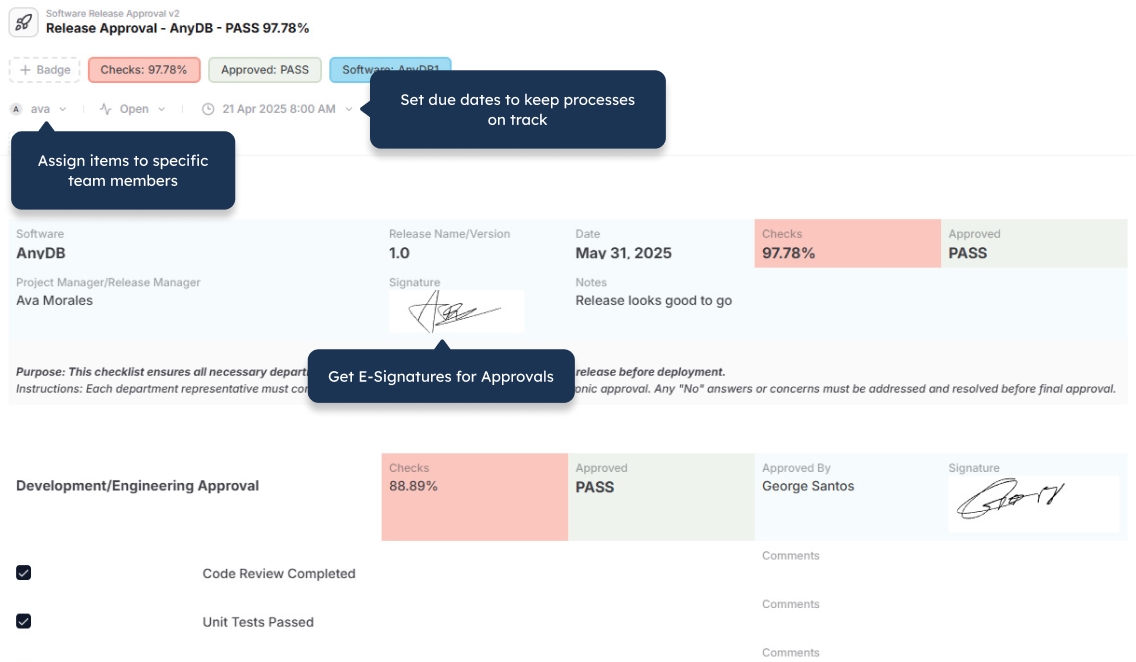
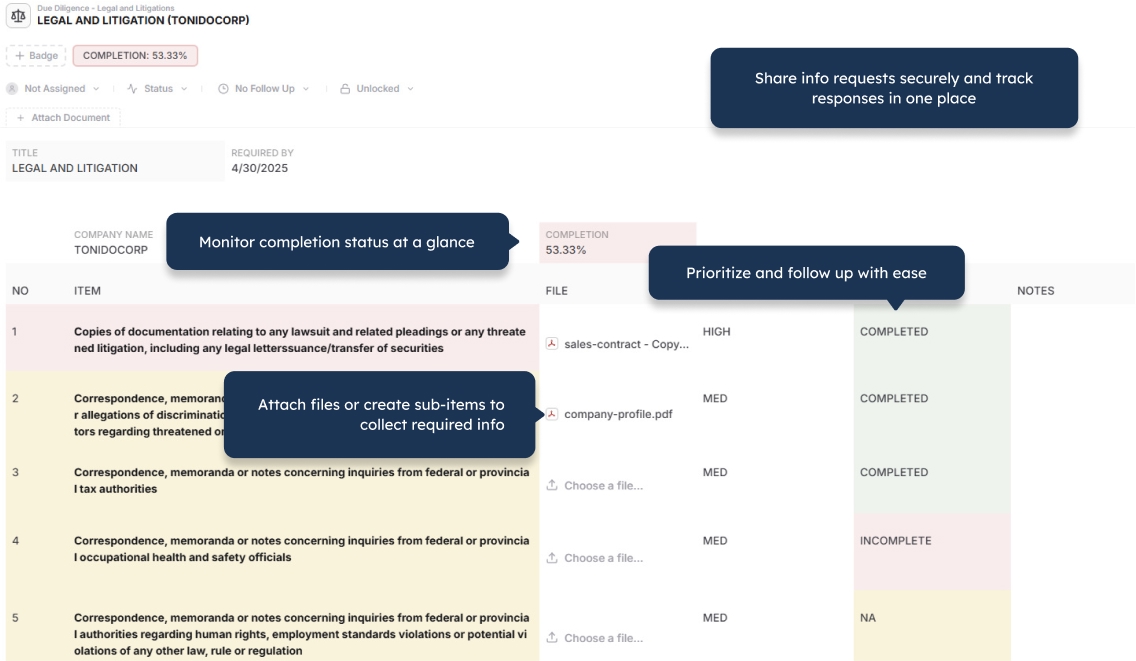
Keep attachments, approvals, assignments, reminders, status changes, comments, and automation connected to the records they belong to.

Built-In Portals

Give customers, vendors, contractors, partners, and other external users controlled access to records, forms, files, updates, and actions.

Generate Documents From Live Data

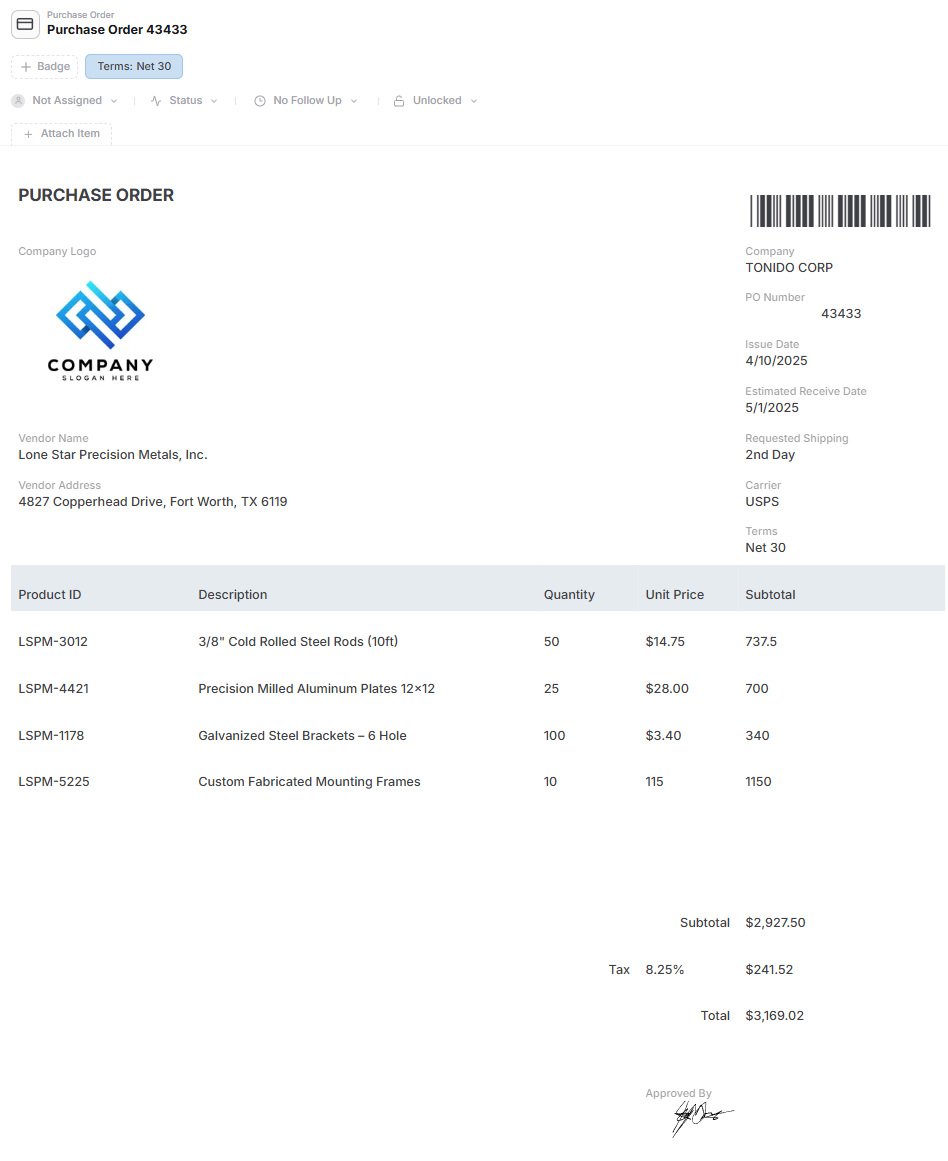
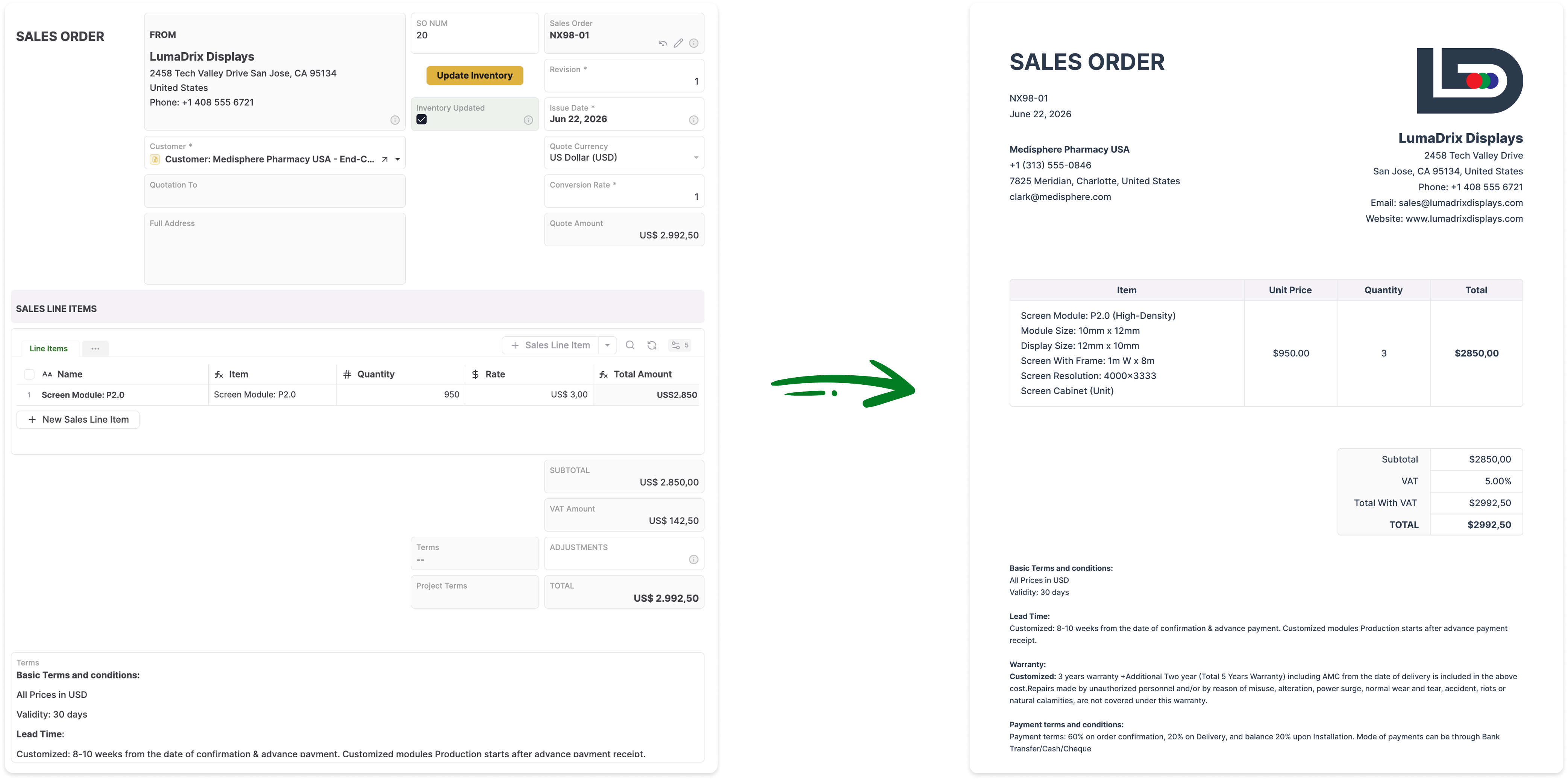
Create Word, PDF, and Excel documents, including quotes, purchase orders, claim packages, certificates, work-order reports, and approval summaries.

Direct Implementation Support

Share your Salesforce setup, spreadsheet, database, or workflow and let the AnyDB team help design and launch the first working system.
Fewer Platform Decisions

Start with the operational process instead of separately designing objects, layouts, flows, permissions, apps, portals, document tools, and governance.

Start With One Workflow

Launch one operational process first, prove it with real data, and connect additional systems as your needs expand.

Where Salesforce Can Become Heavy for Custom Operations

  • Operational systems may require custom objects, fields, relationships, record types, layouts, flows, permissions, reports, and applications to be designed separately
  • Complex user experiences may require Lightning App Builder, custom components, or development
  • External access involves Experience Cloud setup, access design, and licensing decisions
  • Teams may depend on Salesforce administrators, consultants, developers, or implementation partners
  • Custom operational documents can require templates, partner products, integrations, or development
  • Broad platform flexibility can create governance, maintenance, testing, and release overhead
  • Operational applications may compete for attention with the organization’s primary CRM implementation

AnyDB Starts With the Operational Process

  • Model complete business objects such as orders, assets, projects, vendors, claims, inspections, and work orders
  • Use native child records for line items, tasks, components, documents, findings, approvals, and activity
  • Keep fields, files, pages, actions, comments, history, assignments, and reminders together
  • Build multi-step workflows around the people, records, files, and decisions involved
  • Give external users secure access through built-in portals
  • Generate Word, PDF, and Excel documents directly from live operational data
  • Get direct implementation help and expand from one workflow over time

Salesforce gives enterprises a powerful CRM and application platform.
AnyDB gives operations teams a more direct path to connected business systems.

Build systems around orders, inventory, projects, assets, vendors, claims, files, approvals, portals, and workflows.

Salesforce can model custom business processes through standard and custom objects, relationships, Lightning pages, Flow automation, permissions, reports, dashboards, and Experience Cloud.

That flexibility is valuable for organizations with established Salesforce teams, administrators, developers, partners, and platform governance.

AnyDB starts closer to the operation.

Share your spreadsheet, workflow, database, or process notes and build a connected operational system with complete record layouts, child records, files, assignments, reminders, portals, document generation, and history already designed to work together.

Salesforce Is Powerful. AnyDB Is More Focused.

Both platforms support object-based applications and workflow automation. The difference is the operating model, implementation burden, and long-term platform scope.

Comparison Area Salesforce Platform AnyDB
Core model Enterprise CRM and application platform Custom operational systems platform
Best for Organizations building around a mature Salesforce CRM and platform estate Operations-heavy teams building connected business workflows
Starting point Objects, fields, record types, pages, apps, flows, permissions, and platform requirements Your actual workflow, spreadsheet, database, or process notes
Record experience Highly configurable Lightning record pages and applications Operational record layouts with fields, children, links, files, actions, comments, and history together
Process automation Salesforce Flow, approvals, automation, and custom development Assignments, reminders, approvals, actions, workflows, and automation built into operational records
External users Experience Cloud sites with separate setup, access design, and licensing models Unlimited guest portal users included
Documents Standard capabilities plus templates, AppExchange products, integrations, or custom development depending on the requirement Native Word, PDF, and Excel generation from live records
Technical ownership Often involves administrators, developers, consultants, release management, and platform governance Managed as part of AnyDB with direct implementation support
Deployment Vendor-hosted cloud platform Cloud, private cloud, and self-hosted options
Best long-term fit Organizations centered on Salesforce CRM and enterprise application extensibility Teams seeking a direct, adaptable system for operational execution

Choose the Platform That Matches the Job

Salesforce and AnyDB overlap, but they are optimized for different kinds of organizational needs.

Choose Salesforce When

You need a mature enterprise CRM, sales and service suites, a large partner ecosystem, deep platform governance, AppExchange applications, or extensive integration with an existing Salesforce environment.

Choose AnyDB When

You need a working operational system for inventory, purchasing, projects, assets, vendors, claims, inspections, orders, approvals, portals, files, and documents without creating a large platform program.

Use Both When

Salesforce remains the CRM while AnyDB manages specialized operations around inventory, vendors, assets, fulfillment, compliance, projects, documents, or external operational workflows.

Feature Comparison

Salesforce capabilities vary by cloud, edition, license, and installed products. This table compares the general Salesforce platform model with AnyDB’s operational capabilities.

Capability Salesforce Platform AnyDB
Standard and custom objectsIncluded, subject to edition and product limitsIncluded
Object relationshipsIncludedIncluded
Parent-child operational recordsModeled through relationships, related lists, and custom configurationNative operational pattern
Record layoutsLightning pages, page layouts, record types, and componentsFields, children, links, files, pages, actions, comments, and history in one layout
Forms and viewsIncluded through platform tools and configured applicationsIncluded
Workflow automationFlow, approvals, automation, and development toolsIncluded
Files and attachmentsIncludedBuilt around the operational record
External portalsExperience Cloud with access and license configurationIncluded
Unlimited guest usersDepends on the Experience Cloud licensing and access modelIncluded
Native document generationDepends on product, configuration, package, or custom implementationWord, PDF, and Excel generation included
Assignees, reminders, and due datesAvailable through objects, activities, flows, and configured appsBuilt into operational records
Comments and collaborationAvailable through Salesforce collaboration capabilities and configured appsBuilt into operational records
Reports and dashboardsCore strengthIncluded
Permissions and governanceDeep enterprise controlsWorkspace, role, record, and field-level access
App ecosystemLarge AppExchange and partner ecosystemCohesive built-in operational capabilities
Implementation modelInternal teams, admins, consultants, partners, and developersBuilt with you directly by AnyDB
Best fitCRM-centered enterprise application environmentsOperations teams needing a connected, adaptable system of record

Generate Documents Directly From Your Live Records

Turn AnyDB records into professional, ready-to-share PDFs / Docx / XLSX with fields, linked data, tables, terms, and other relevant information automatically included.

How it Works?

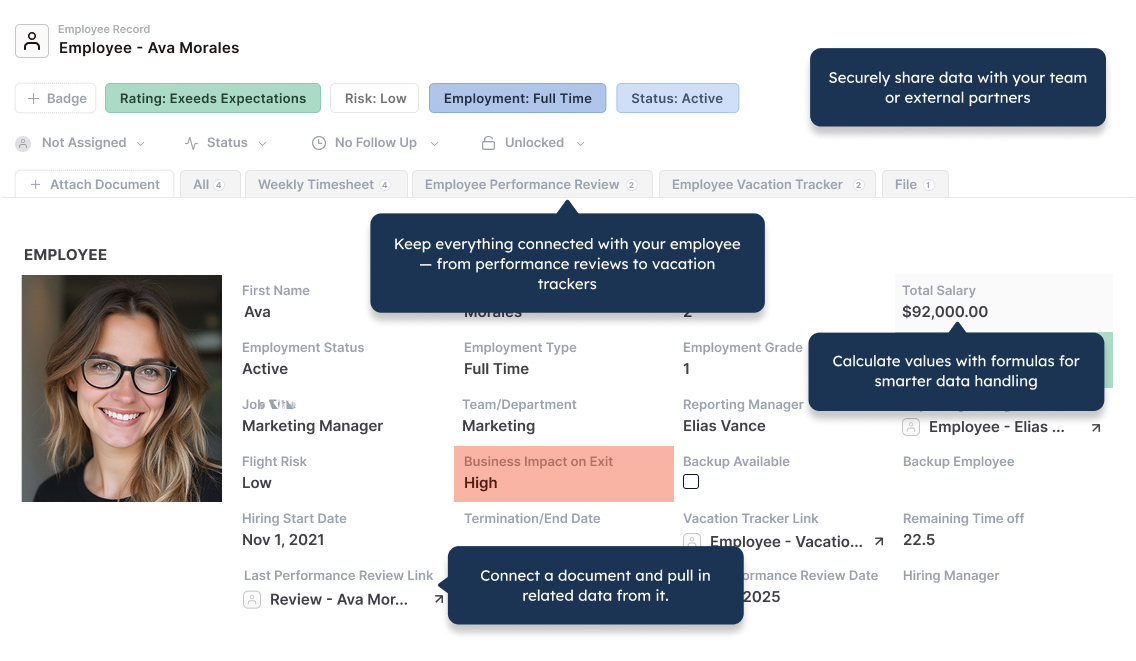
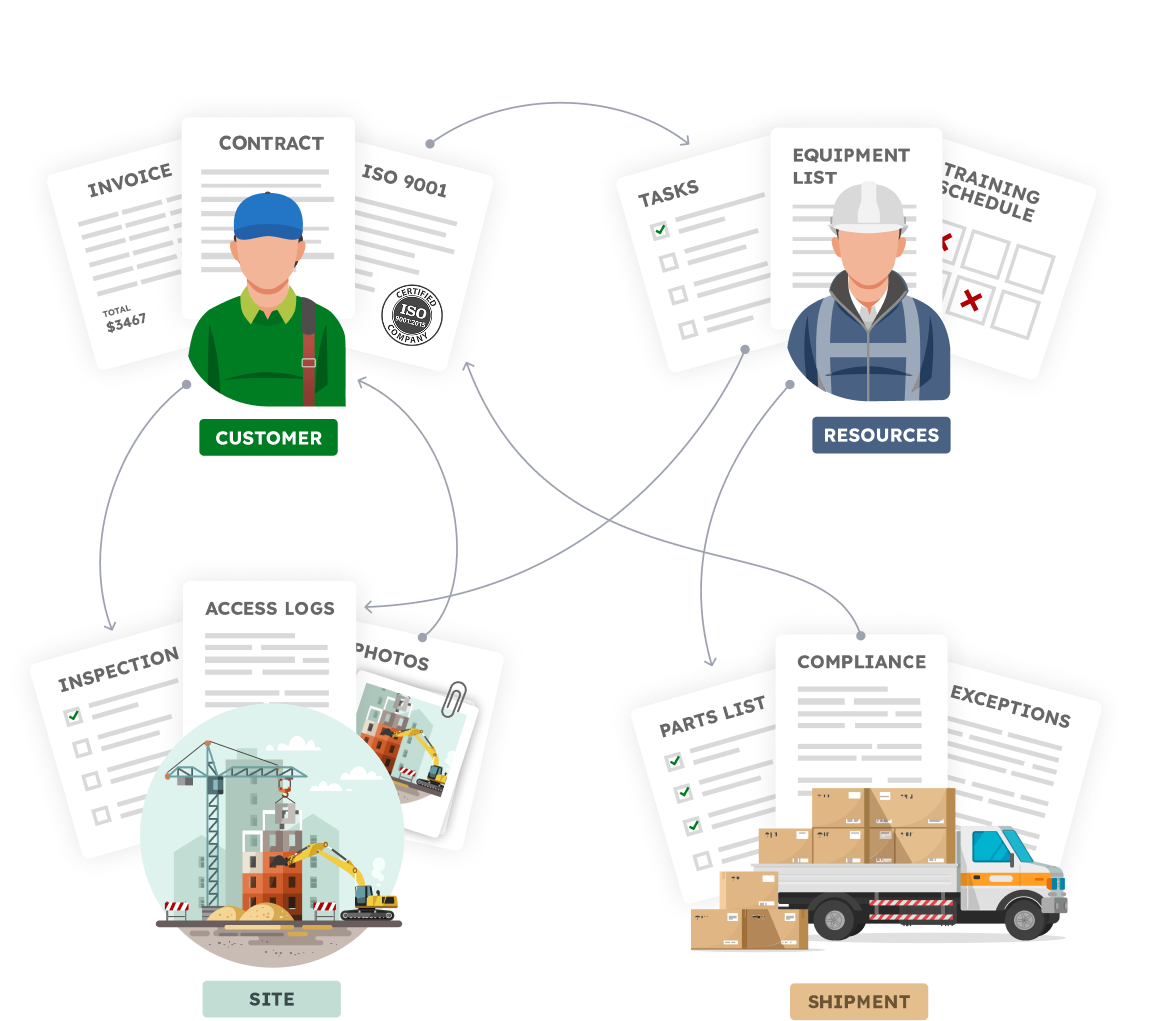
Your Business is made of Real Things

  • A vendor with certifications, contracts, invoices
  • A site with inspections, photos, access logs
  • An employee with tasks, training, equipment
  • A shipment with parts, compliance documents, exceptions

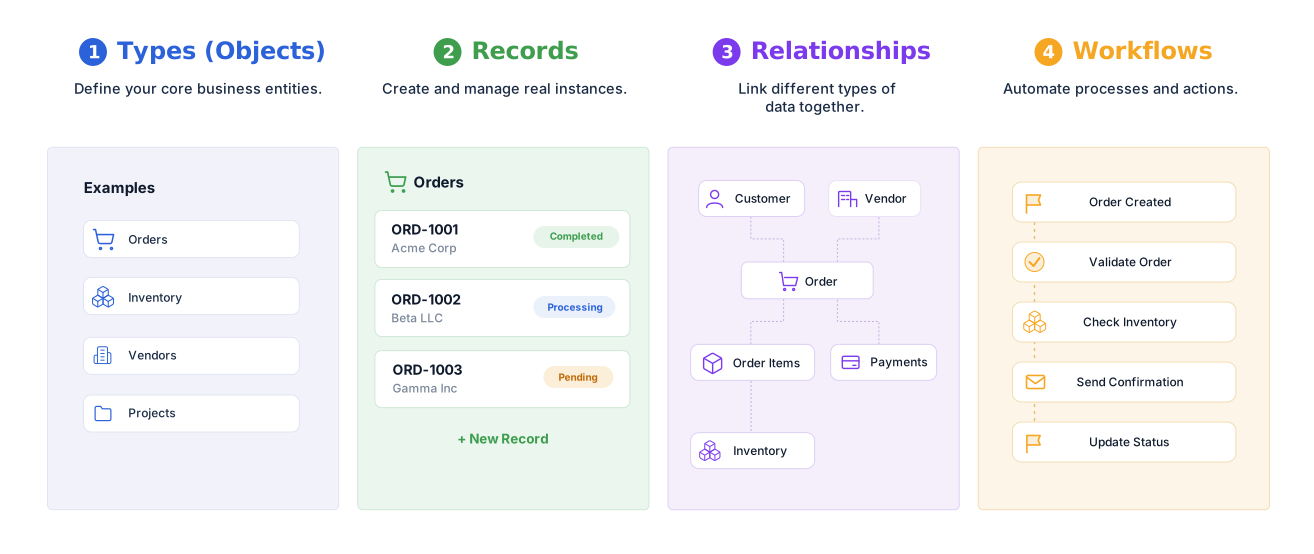
Define your structure, connect your data,
and automate how work flows.


Familiar to use.Built for real operations.


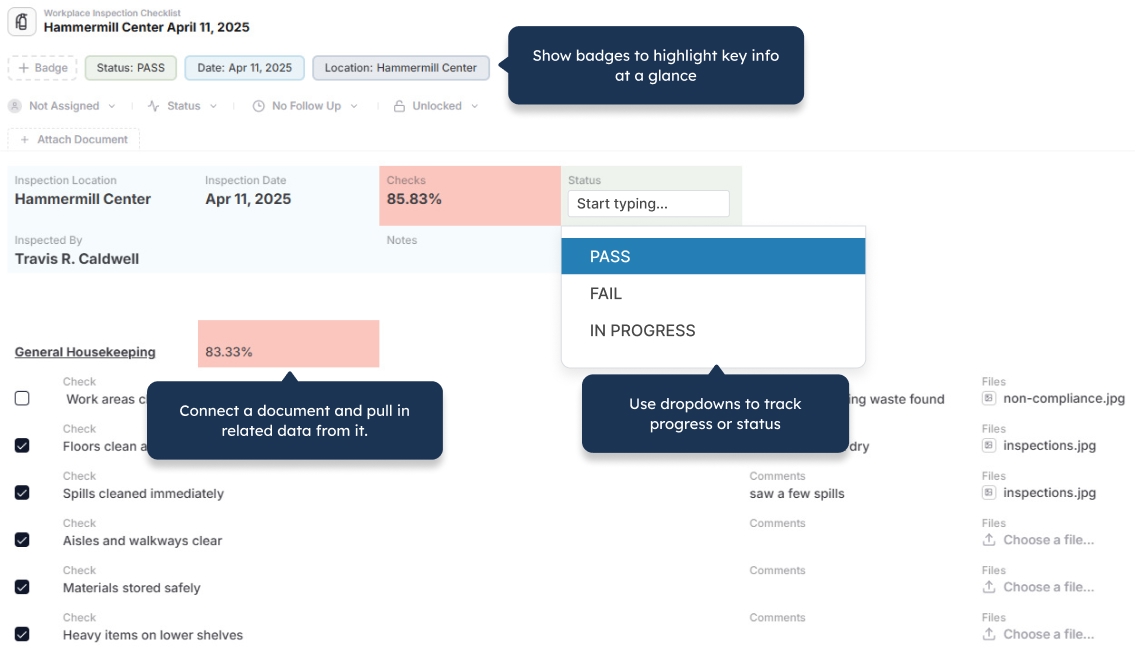
Build complete operational record layouts.
Keep data, files, actions, and workflows together

See how AnyDB powers your business operations

  • Flexible Views
  • A Natural Record Layout
  • Portals
  • Combine Objects

Flexible Views

A Natural Record Layout

Portals

Combine Objects

See What Your Salesforce Operations Would Look Like in AnyDB

Send us your Salesforce setup, spreadsheet, database, or workflow. We will show you how it can become a connected operational system.

Get for Free
No credit card needed!

Frequently Asked Questions

How is AnyDB different from Salesforce?

Salesforce is a broad enterprise CRM and application platform with standard and custom objects, Lightning pages, Flow automation, reports, dashboards, Experience Cloud, APIs, and a large partner ecosystem. AnyDB is a more focused operational systems platform built around complete business records, child records, files, workflows, portals, documents, and day-to-day execution.

Is AnyDB a replacement for Salesforce CRM?

Not necessarily. Salesforce is usually the stronger choice for mature sales, service, marketing, commerce, and CRM-centered enterprise processes. AnyDB is designed for custom operations such as inventory, purchasing, projects, assets, vendors, claims, inspections, work orders, fulfillment, approvals, and related external workflows.

Can AnyDB replace a custom Salesforce operations application?

Yes. You can begin by rebuilding one Salesforce operational workflow, importing the related records, and expanding from there. The AnyDB team can help map objects, fields, relationships, files, permissions, flows, reports, and portal requirements into an object-based operational system.

Can AnyDB work alongside Salesforce?

Yes. Salesforce can remain the CRM while AnyDB manages specialized operational systems for inventory, vendors, assets, projects, fulfillment, inspections, compliance, documents, or external operational workflows. Data can be connected through integrations and automation.

Does AnyDB support custom objects and relationships?

Yes. AnyDB supports custom business objects, linked records, and native parent-child structures. An order can contain line items, a claim can contain supporting documents, a project can contain tasks, and an asset can contain inspections and maintenance history.

Does AnyDB support workflow automation?

Yes. AnyDB includes assignments, reminders, approvals, status changes, notifications, action buttons, webhooks, workflows, and automation. Advanced scripting is available when a process requires custom logic.

Can customers, vendors, and partners access AnyDB?

Yes. AnyDB includes secure portals for customers, vendors, contractors, partners, inspectors, and other external users. You control which records, files, fields, forms, and actions each user can access.

Can AnyDB generate documents from records?

Yes. AnyDB can generate Word documents, PDFs, Excel files, quotes, purchase orders, invoices, claim packages, certificates, inspection reports, work-order reports, and other outputs directly from live record data.

Does AnyDB require Salesforce administrators or developers?

No. Most AnyDB systems can be configured without coding, and the AnyDB team can help design and implement the first workflow. Advanced scripting remains available when a process needs custom logic.

Can AnyDB help migrate and redesign our Salesforce operations process?

Yes. Share your current Salesforce application, objects, flows, spreadsheets, or process notes, and the AnyDB team can help design the records, relationships, permissions, portals, workflows, documents, and reports for the first working system.