Airtable Alternative
Built for Business Operations

Create connected, object-based systems that match your business operations, data, and workflows.

Unlimited guest accounts, unlimited records, built-in portals, and document generation.

Free Demo / Setup
Book a demo and let us set up AnyDB for you. Free of charge!

Explore how AnyDB organizes business records, operations, files, and portals

Main Benefits

Build Around Real Business Objects

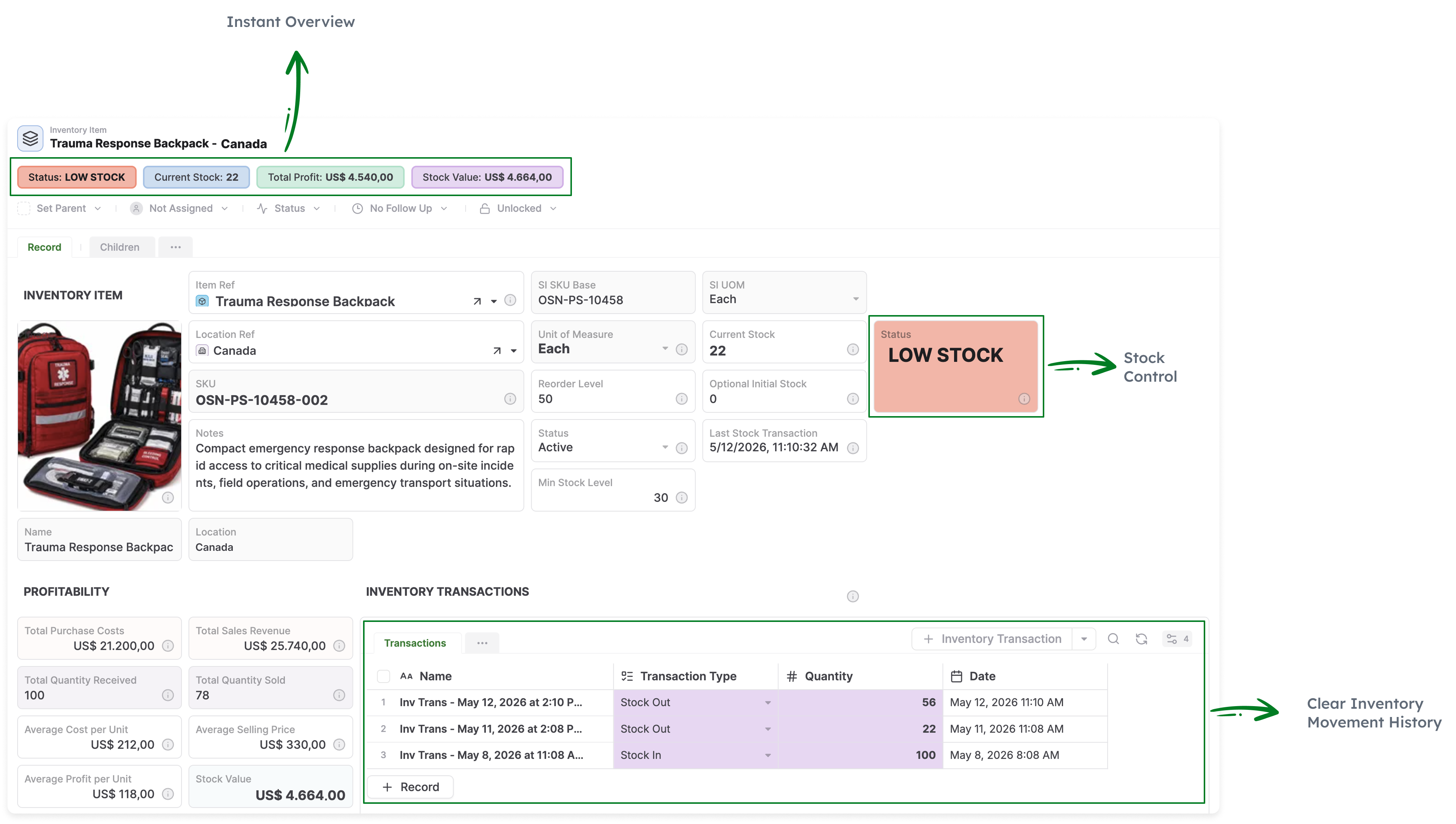
Model customers, orders, inventory, projects, assets, vendors, and other operational records in a structure that matches how your business works.

Manage Complex Record Hierarchies

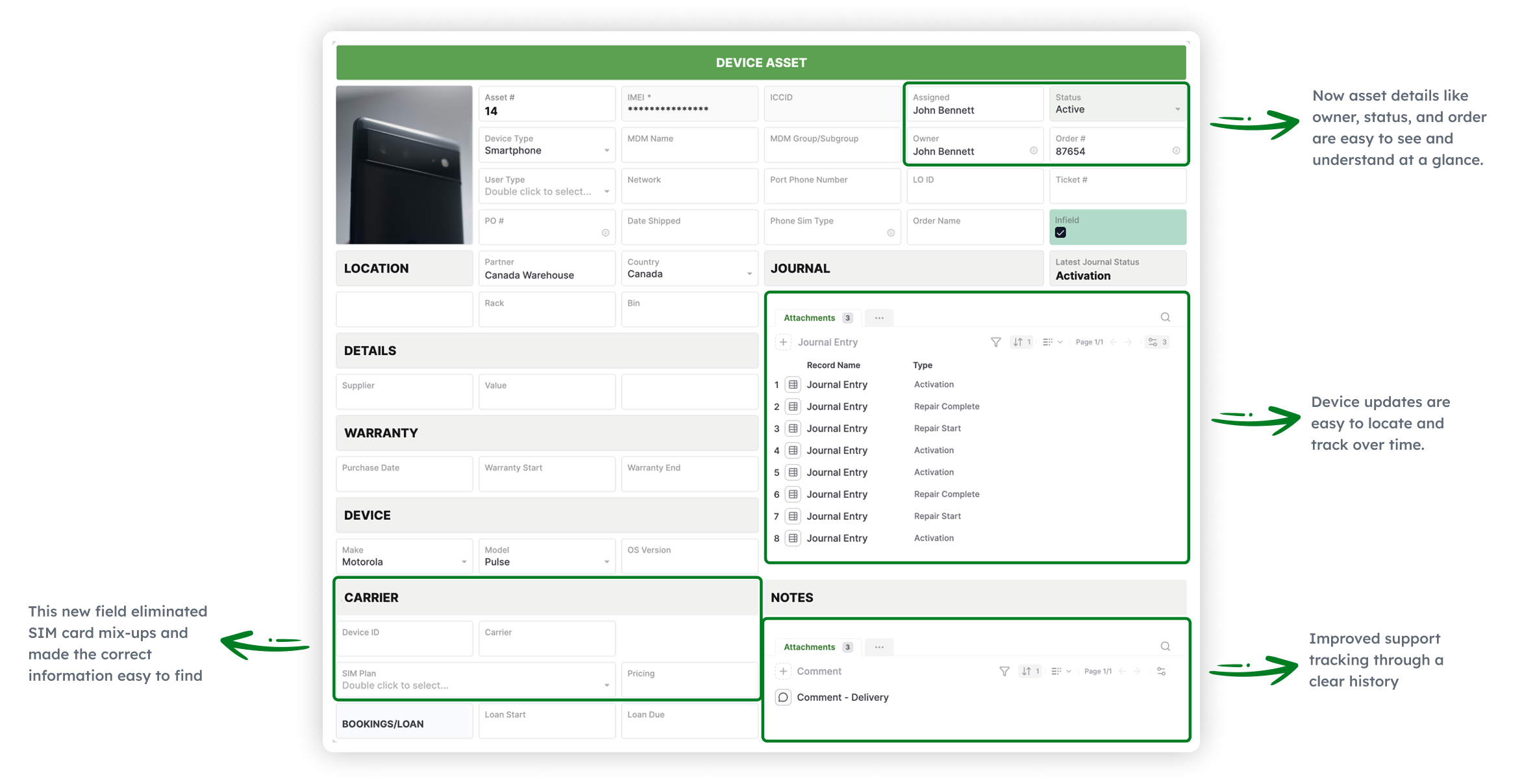
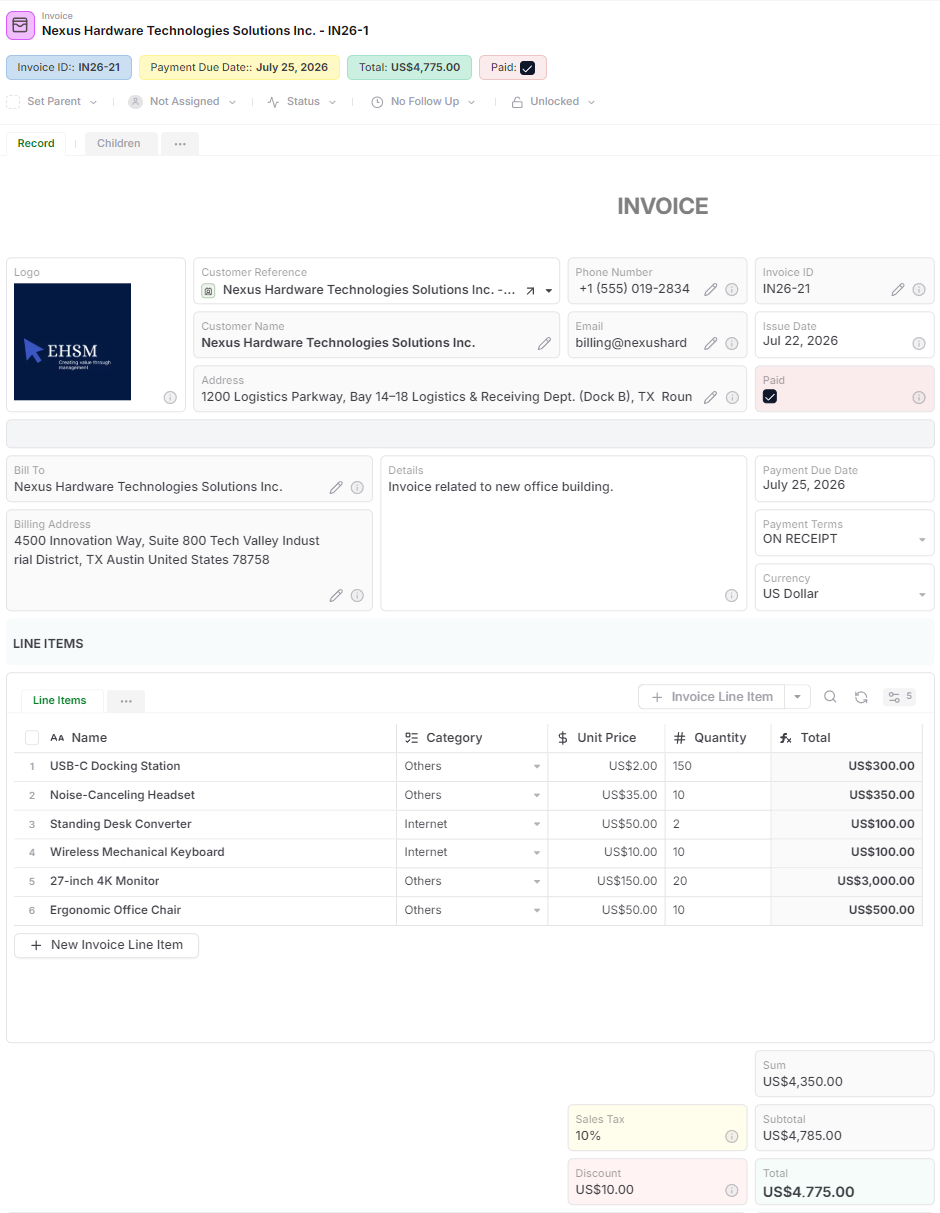
Use child records for line items, tasks, components, inspections, maintenance history, and other structured details without flattening everything into one table.

Connect Operations Across Your Business

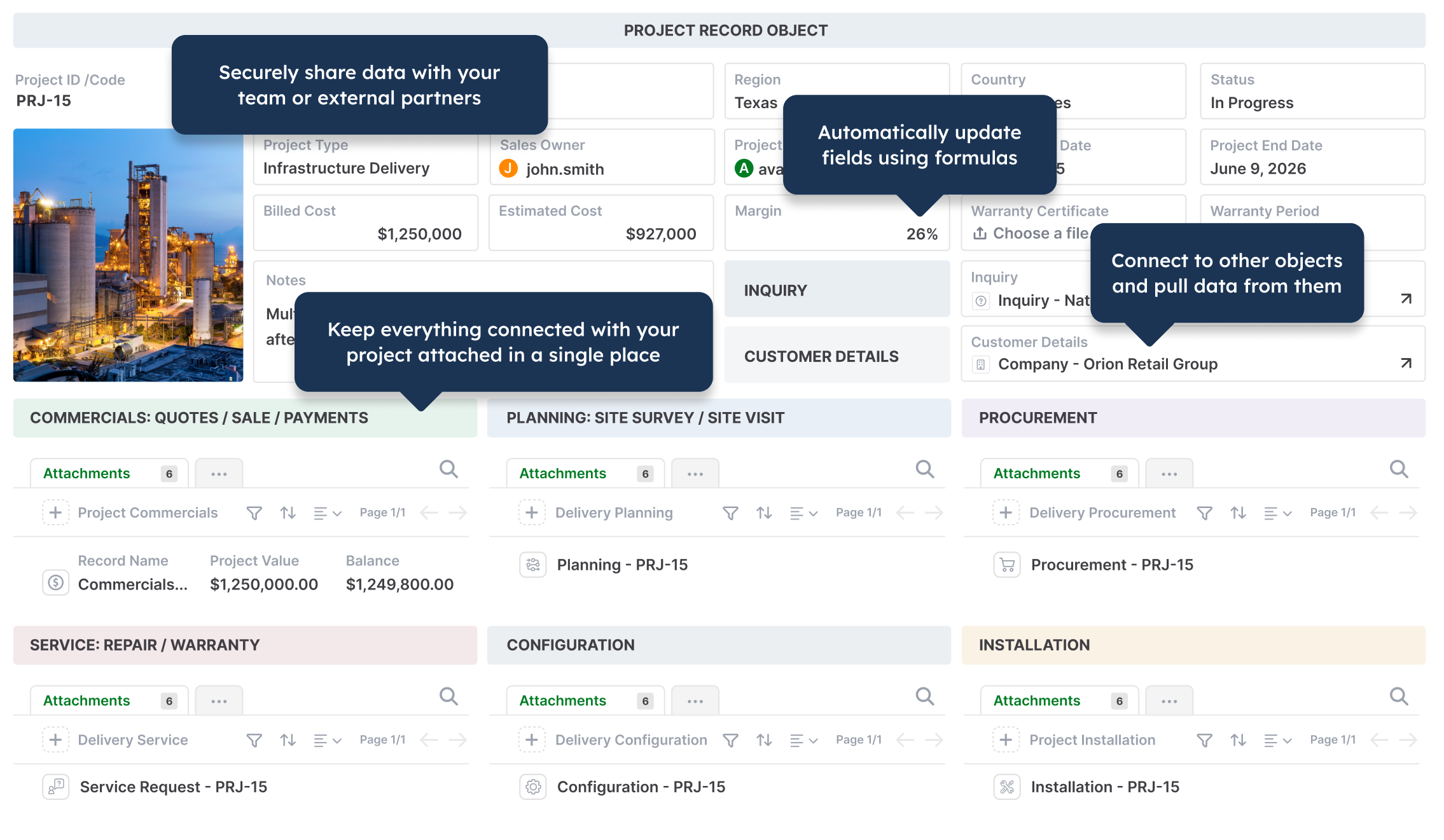
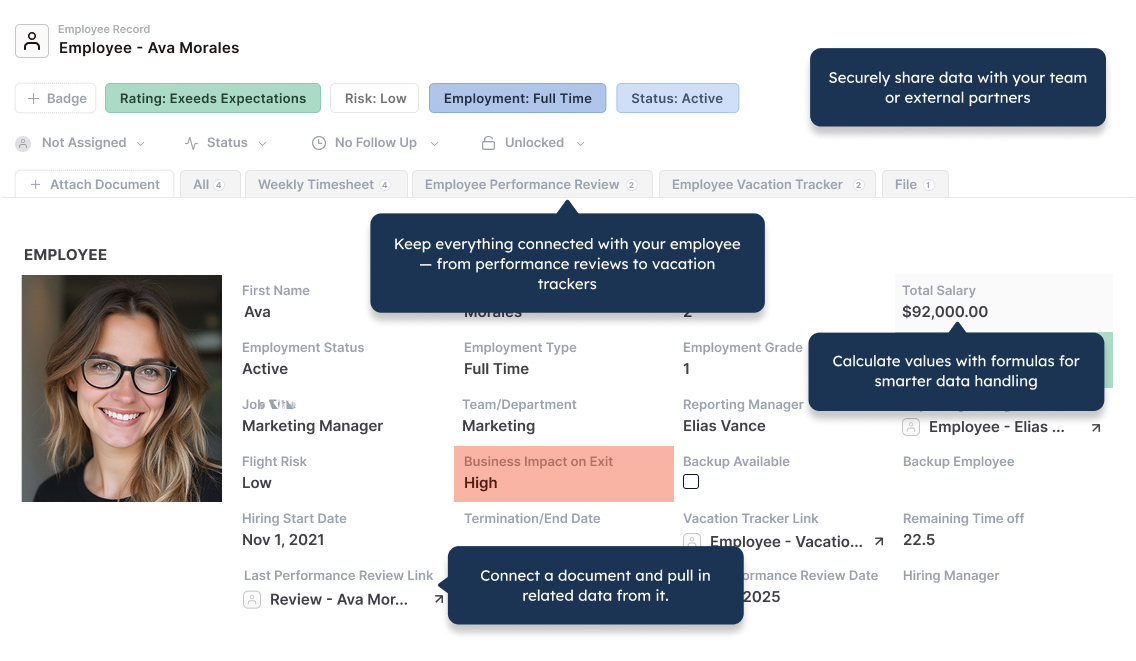
Link records and workspaces across teams so customers, orders, files, projects, vendors, and workflows stay connected in one operational system.

Control Access Precisely

Manage access by workspace, role, record, or field so employees and external users see only the information relevant to them.

Extend Operations Through Portals

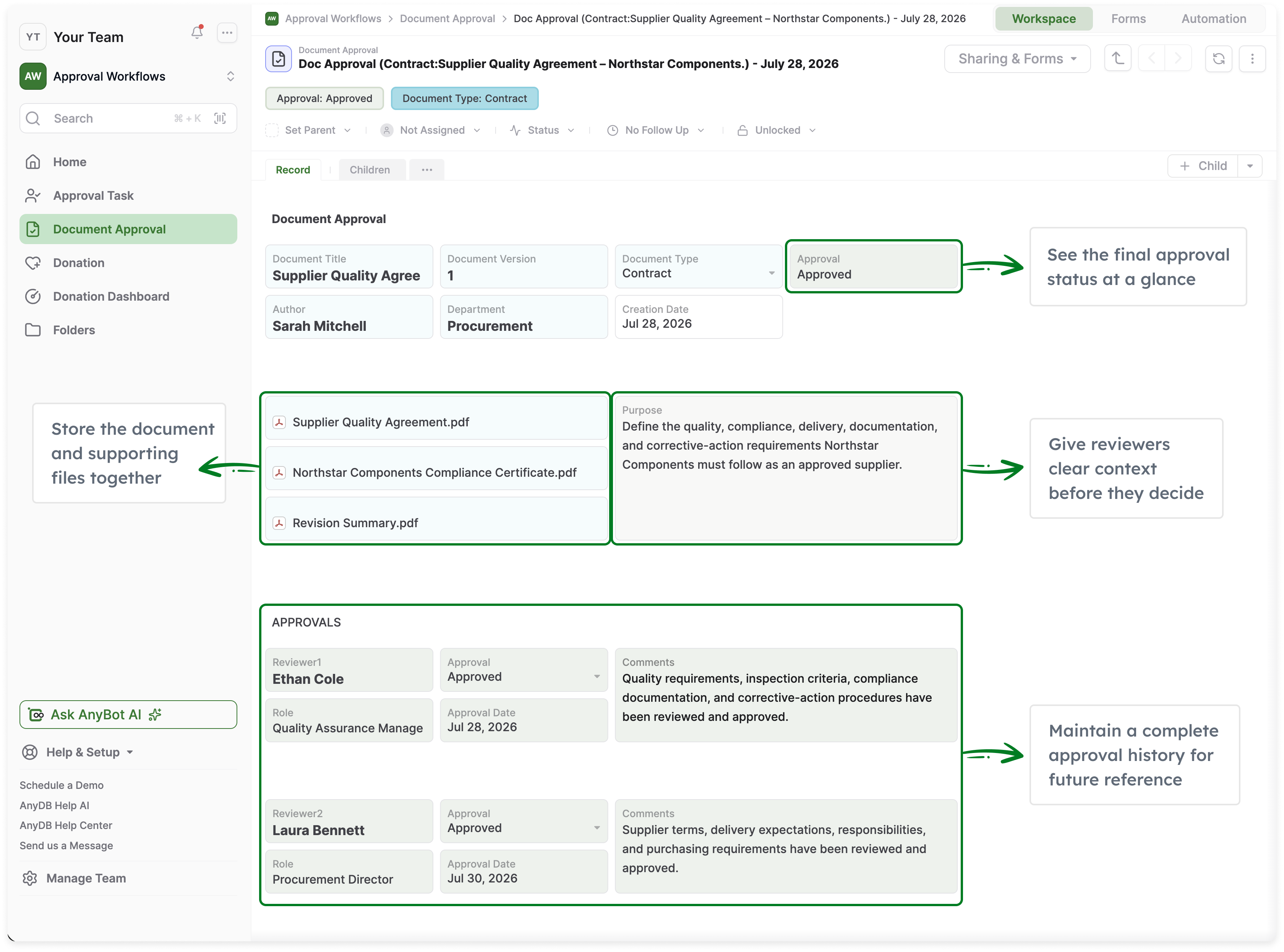
Give customers, vendors, and partners secure access to records, forms, files, and updates through built-in portals.

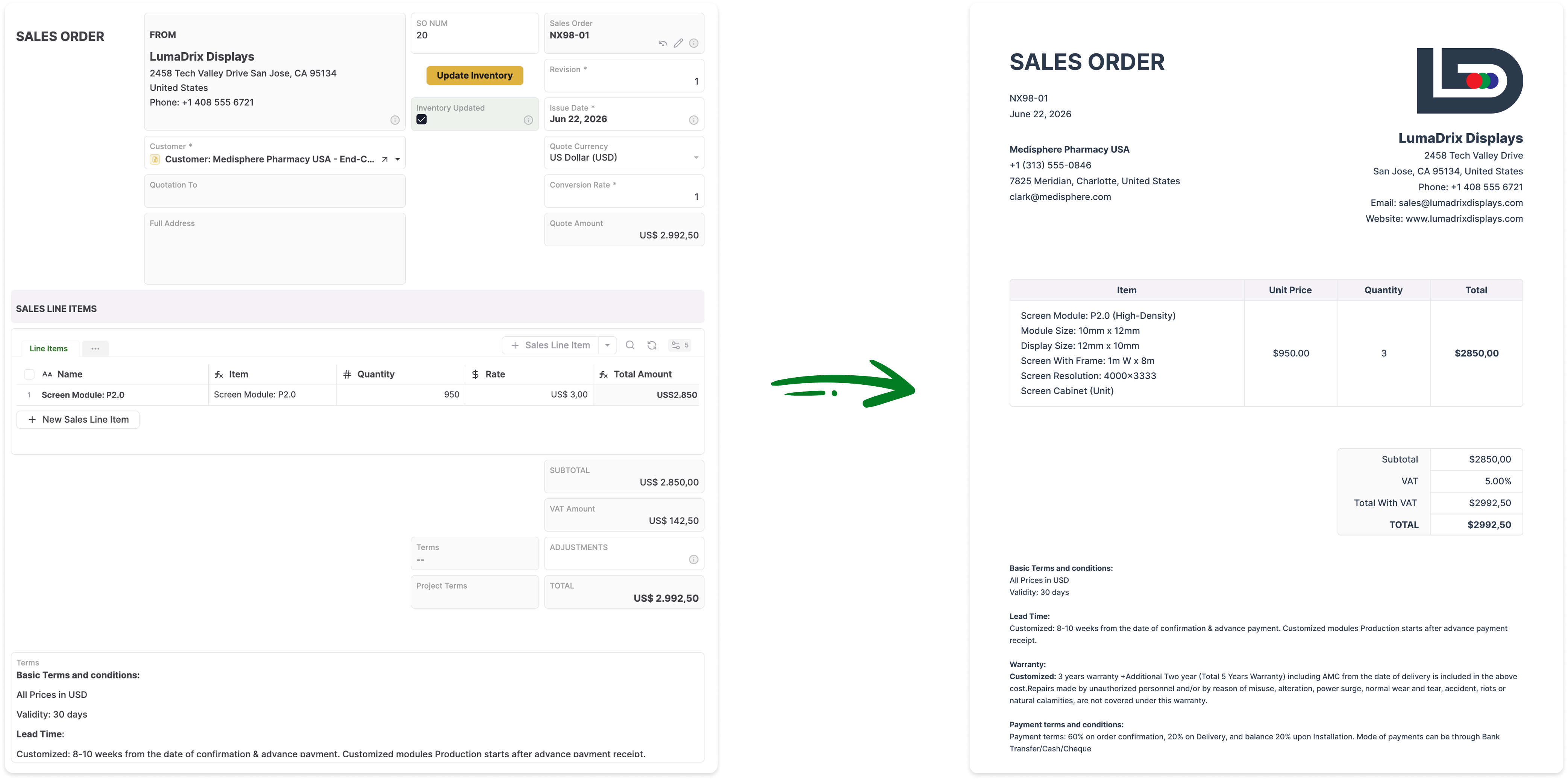
Generate Documents From Live Data

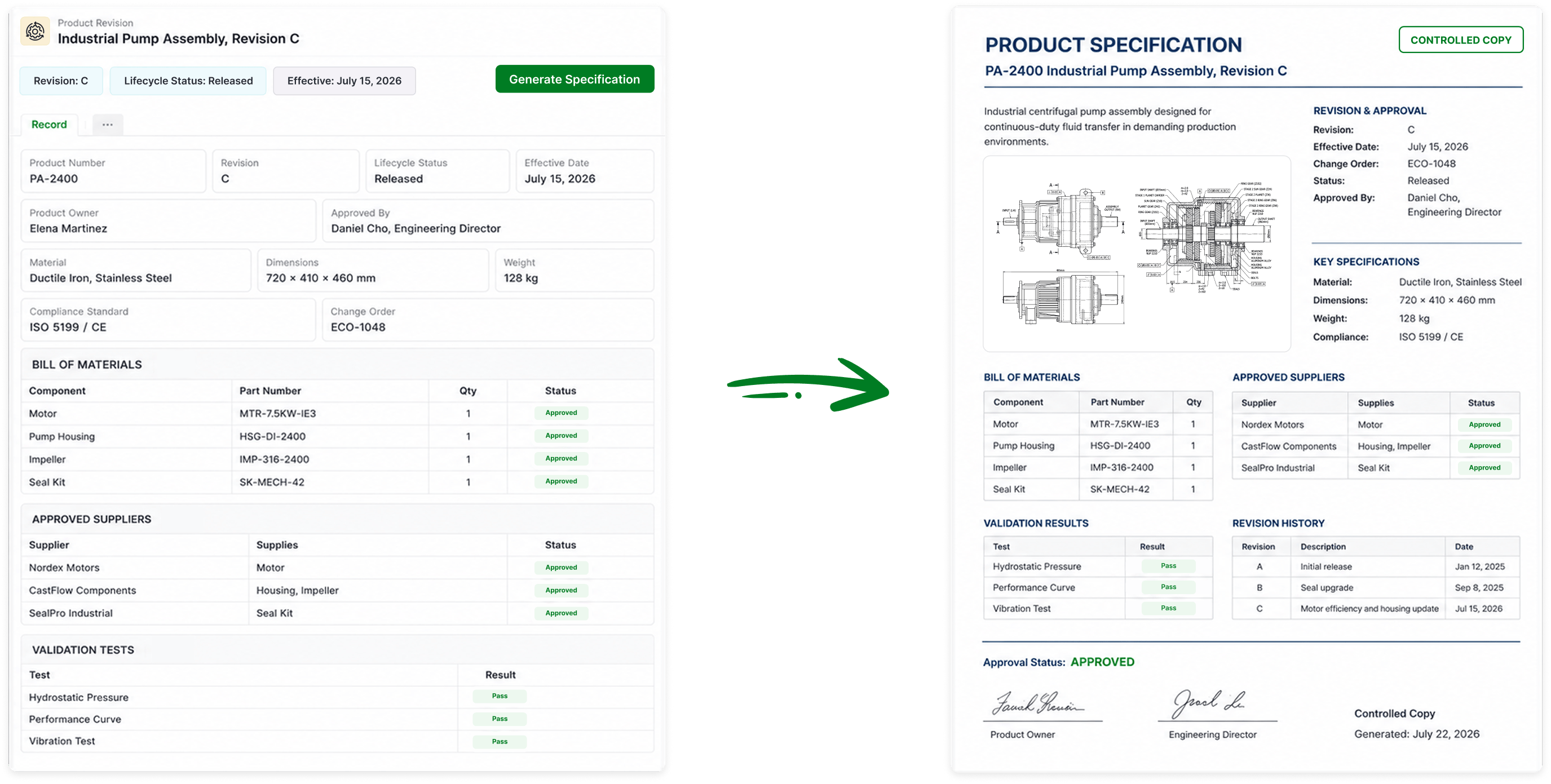
Create PDFs, Word documents, spreadsheets, reports, and operational forms directly from current records without rebuilding them manually.

Files, Workflows, and Data Stay Together

Keep documents, attachments, approvals, assignments, reminders, and automation connected to the records they belong to, so teams can work from one complete operational context.

The Record Layout Is the Interface

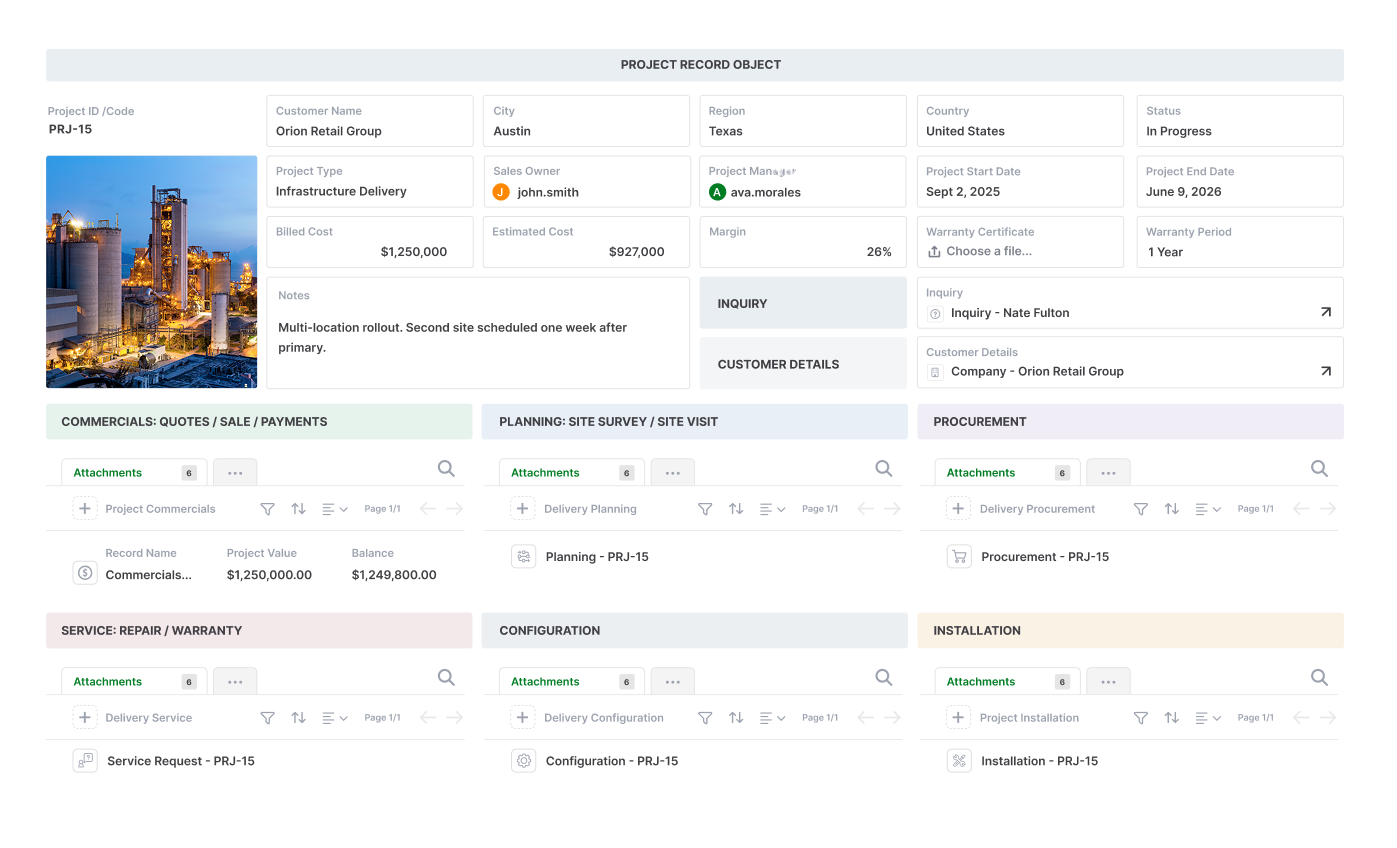
Design each record around how people actually work. Fields, child records, linked records, files, pages, actions, and related information appear together in one operational layout, without maintaining a separate interface over the underlying data.

Built-In Record History and Versioning

Track changes to operational records over time, see how information has evolved, and preserve accountability across users, workflows, and updates.

Where Airtable Becomes Harder for Business Operations

  • Business processes become spread across separate bases, tables, and interfaces
  • Record limits apply at the base level and vary by plan
  • Connected processes often require duplicated data, syncs, or additional automation
  • Editors, operational users, and some portal users can add per-seat costs
  • Complex records such as orders with line items are modeled across multiple tables
  • Documents, portals, files, and operational workflows may require additional tools or setup
  • Available on Cloud Only

AnyDB Is Built Around Business Operations

  • Create object-based systems for customers, orders, inventory, projects, assets, and vendors
  • Use child records to manage line items, tasks, components, inspections, and activity
  • Connect records and workspaces across one operational system
  • Give customers, vendors, and partners access through built-in secure portals
  • Generate PDFs, Word documents, and spreadsheets directly from live records
  • Start with one workflow and expand into connected systems as your business grows
  • Available as Cloud, Private Cloud and Self-Hosted Deployment Options

Airtable helps you organize data.
AnyDB helps you run connected business operations.

Build systems around customers, orders, inventory, projects, assets, vendors, and the work that connects them.

As business processes grow, tables often become spread across separate bases, duplicated records, syncs, and additional tools. Managing connected workflows, documents, permissions, and external users becomes harder to maintain.

AnyDB is built differently.

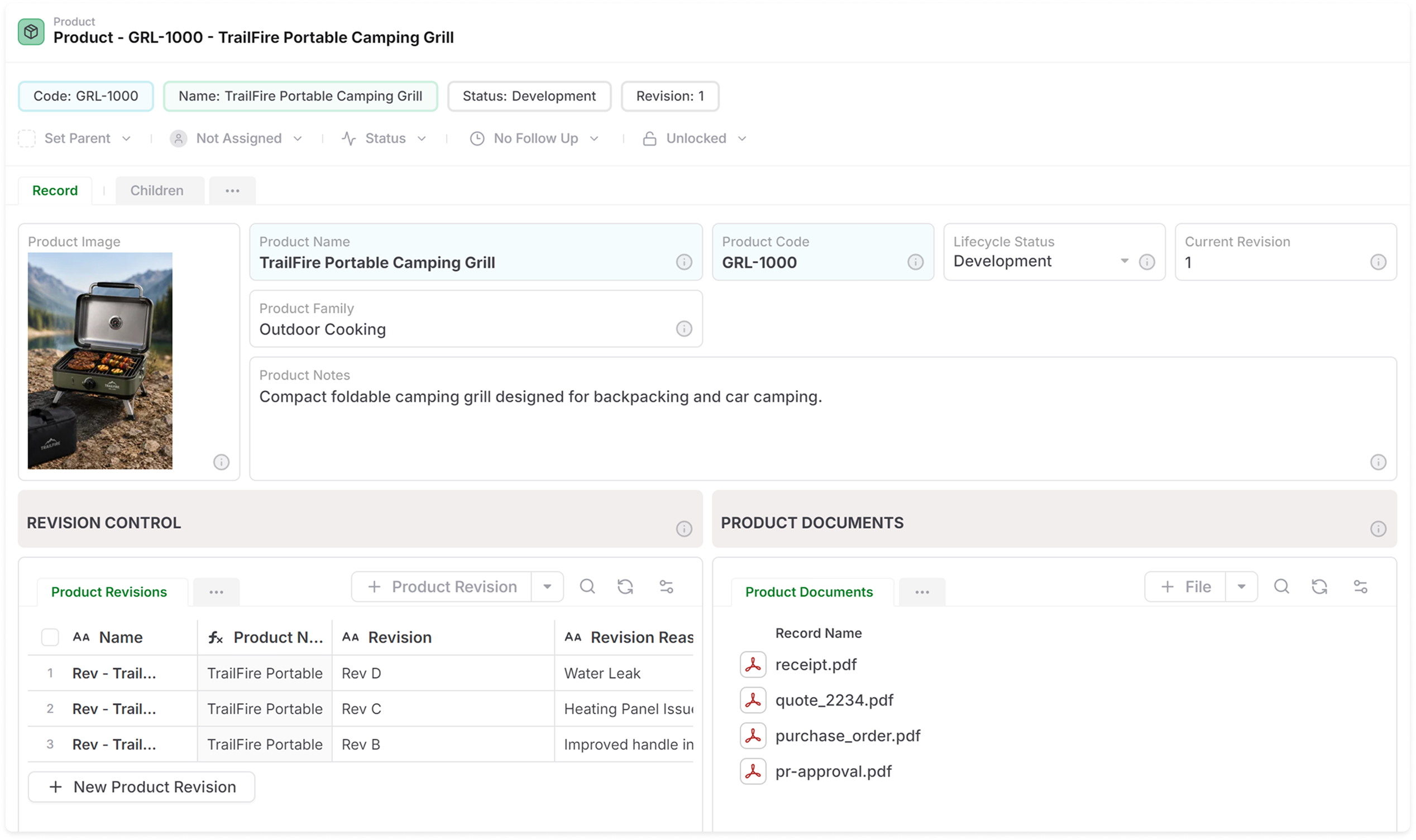
Its object-based structure lets you model real business records, including orders with line items, projects with tasks, products with components, and assets with maintenance history. Everything stays connected in one operational system, with built-in workflows, files, portals, permissions, and document generation.

Airtable Is Excellent for Organization. AnyDB Is Built for Operations.

Use Airtable when your work is mostly about organizing information, tracking tasks, or coordinating lightweight internal workflows. Use AnyDB when the process becomes central to how your business runs.

Best Fit Airtable AnyDB
Data shapeFlat or lightly linked tablesNested and connected business objects
Best forOrganization and collaborationOperational systems of record
Typical use casesContent calendars, project tracking, lightweight internal appsInventory, purchasing, orders, assets, work orders, claims, approvals
Process depthGood for simple workflowsBuilt for multi-step operational workflows
Starting pointBlank base or templateStart from your actual workflow, spreadsheet, or existing base, guided and built with you
Record modelRows in tablesComplete operational workspaces
FilesAttachmentsFiles connected to business objects
PagesLimited record-page depthRich pages inside records
SheetsTables and viewsSheets connected to objects
Document generationUsually requires third-party tools or integrationsNative Word, PDF, and Excel generation
Assignments and remindersRequires configurationBuilt into operational records

Feature Comparison

Both platforms provide flexible data, views, forms, and automation. The difference becomes clearer when the system needs deeper record structures, external portals, documents, and connected operational workflows.

Capability Airtable AnyDB
Flexible data model
Views
Forms
Automation
Files and attachments
Parent-child relationshipsLimitedNative
Connected business objectsFlat linked tablesNative nested records
Operational workflowsGood for lightweight processesPurpose-built
External portalsLimited or requires additional setupIncluded
Custom operational systemsPossibleDesigned for it
Rich pages on recordsLimitedIncluded
Object-owned sheetsLimitedIncluded
File storage around business objectsAttachment-basedBuilt around the operational record
Native document generationUsually requires integrationsIncluded
AssigneesRequires setupBuilt into records
Reminders and due datesUsually requires configuration or integrationsIncluded
Activity historyAvailableBuilt into operational workflows

Cost and External Collaboration

Operational systems are not used only by employees. Customers submit requests, vendors upload documents, contractors complete work, inspectors perform audits, and partners check status. The access model matters when many external users participate in the process.

Scenario Airtable-Style Collaboration AnyDB
20 internal employeesPaid internal users based on plan and access levelPaid internal users
1,000 customers, vendors, contractors, or partnersMay require paid seats, limited interfaces, forms, or workarounds depending on the access neededUnlimited guest portal users included
Submit requestsFormsForms and portals
Upload documentsDepends on setupIncluded through portals
View statusDepends on setupIncluded through portals
Update assigned recordsMay require additional accessIncluded through portals

With AnyDB, you license the internal team running the operation while customers, vendors, contractors, inspectors, and partners can access secure portals without additional guest-user charges.

Generate Documents Directly From Your Live Records

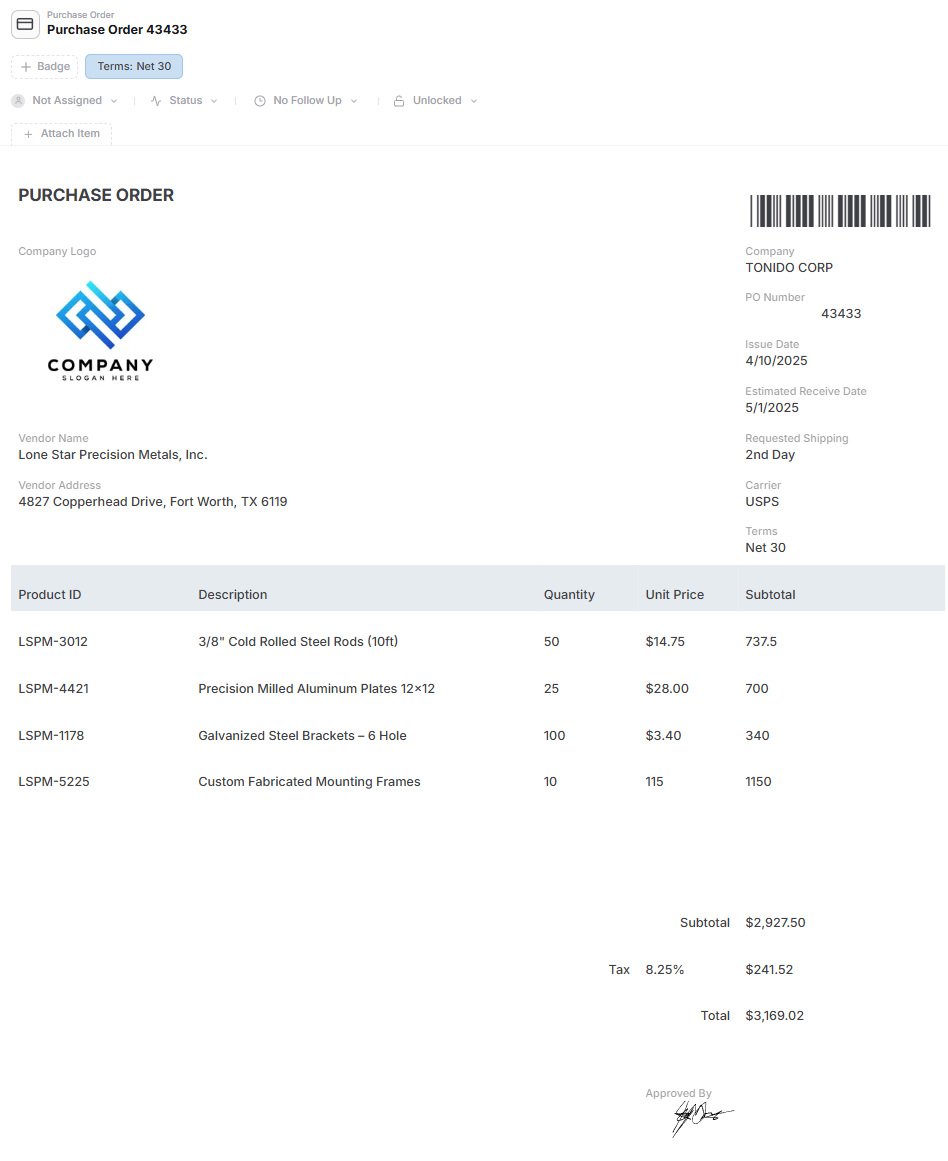
Turn AnyDB records into professional, ready-to-share PDFs / Docx / XLSX with fields, linked data, tables, terms, and other relevant information automatically included.

How it Works?

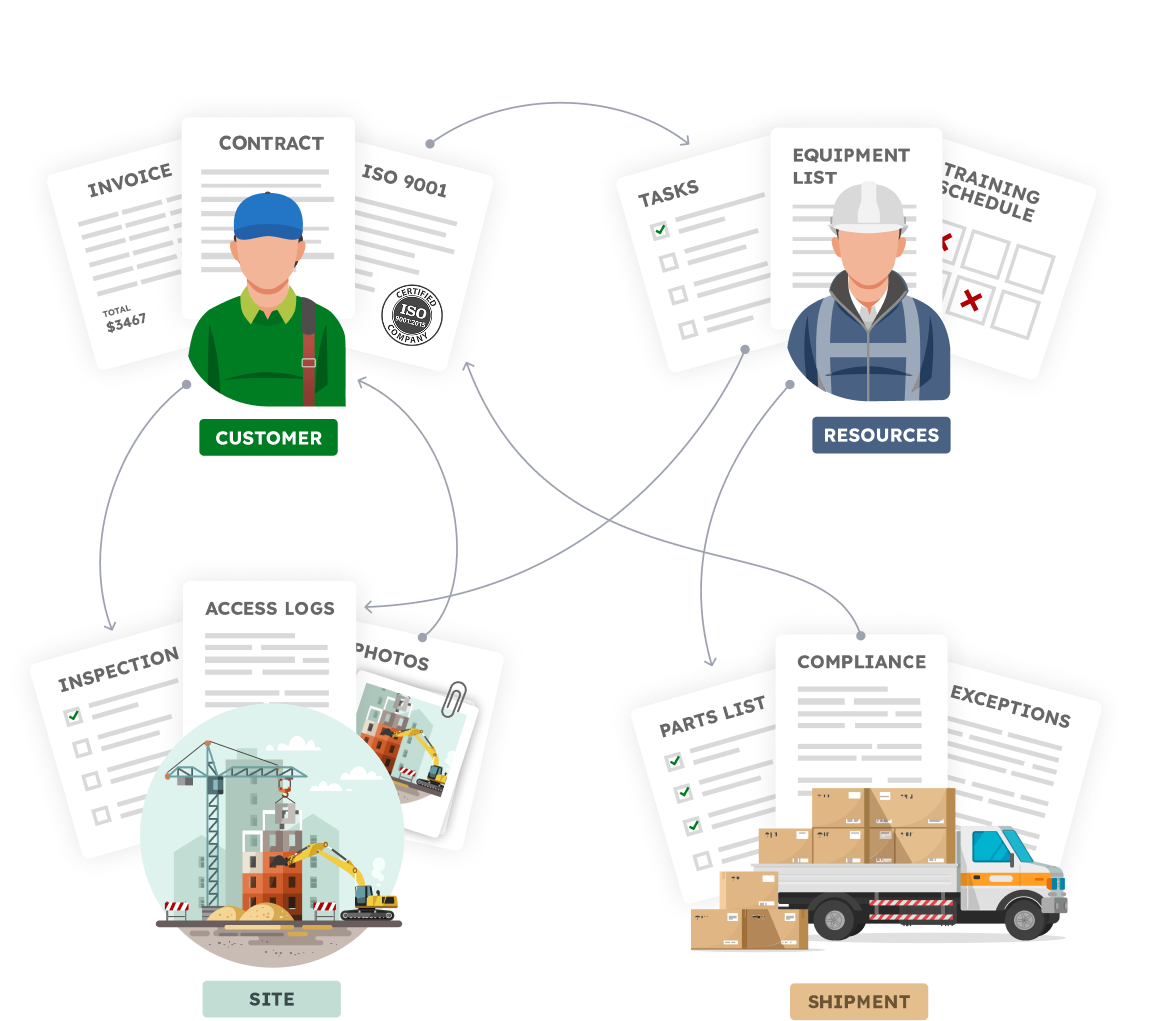
Your Business is made of Real Things

  • A vendor with certifications, contracts, invoices
  • A site with inspections, photos, access logs
  • An employee with tasks, training, equipment
  • A shipment with parts, compliance documents, exceptions

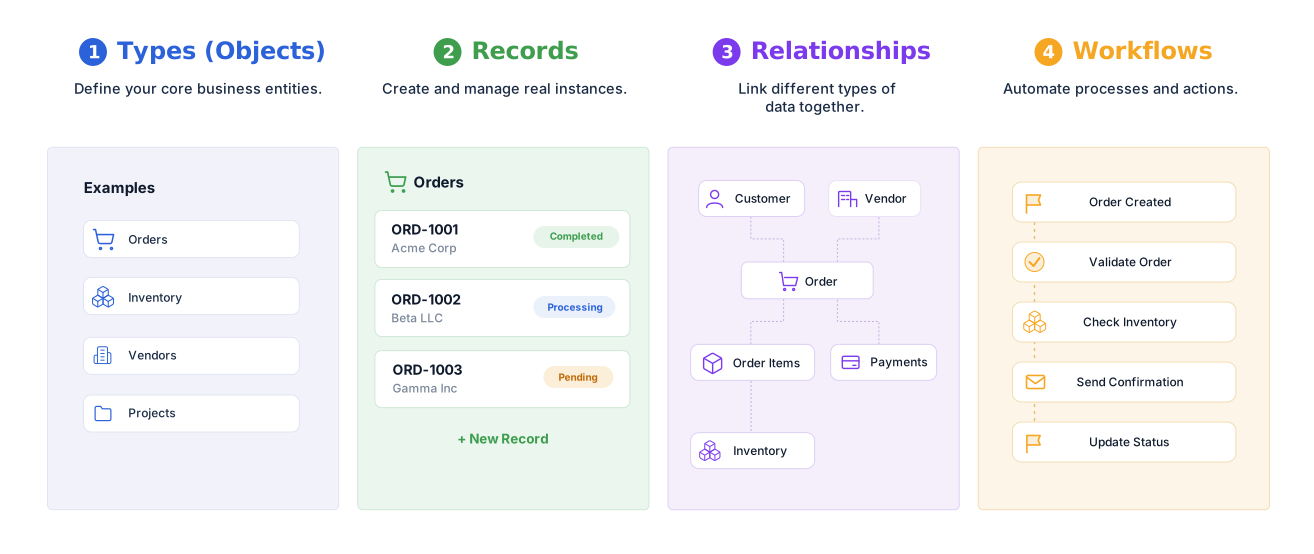
Define your structure, connect your data,
and automate how work flows.


Familiar to use.Built for real operations.


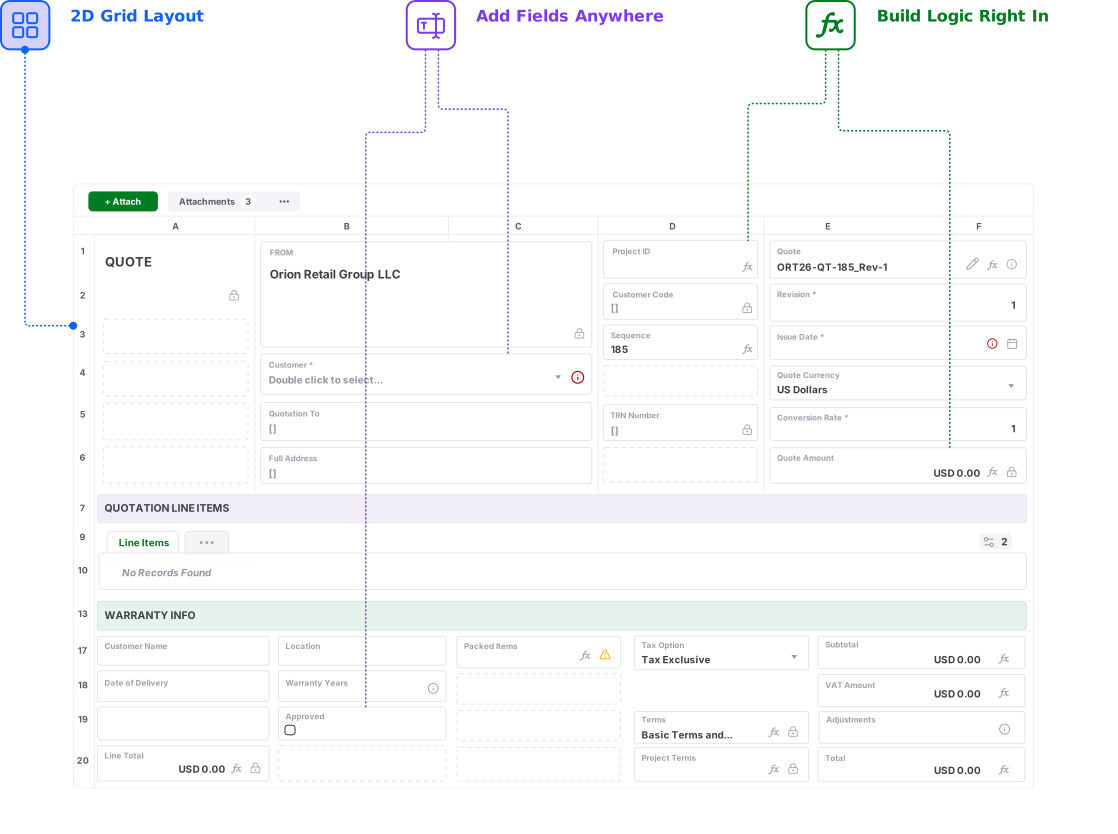
Reuse your Spreadsheet skills.
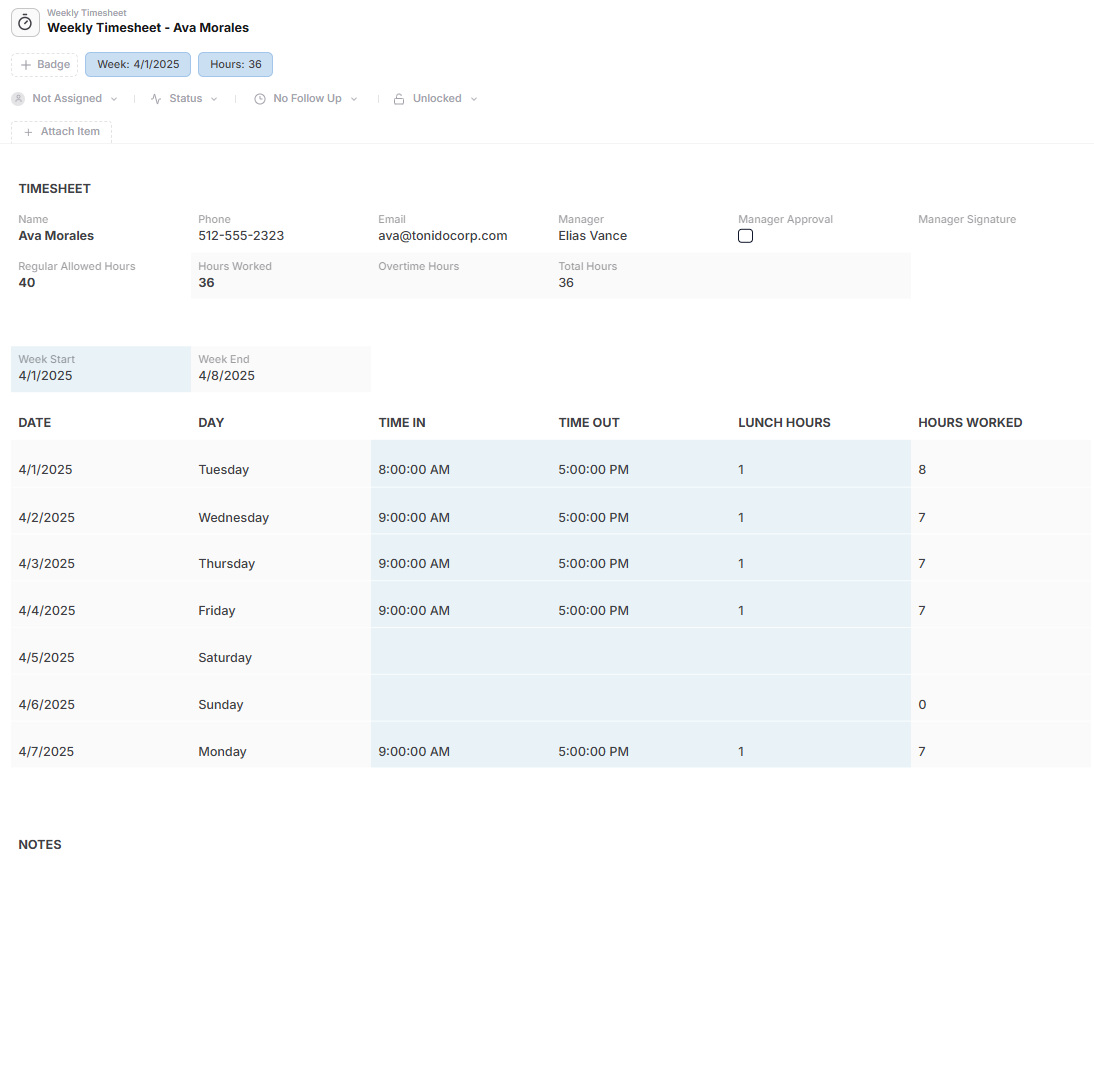
Design Record and Form Layouts in a 2D grid, just like a Spreadsheet

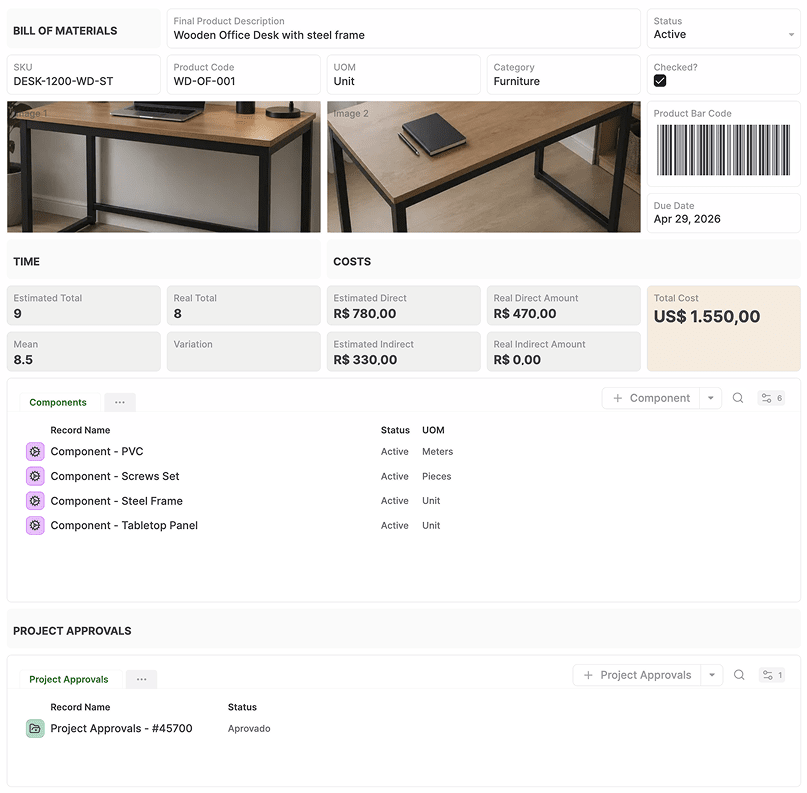
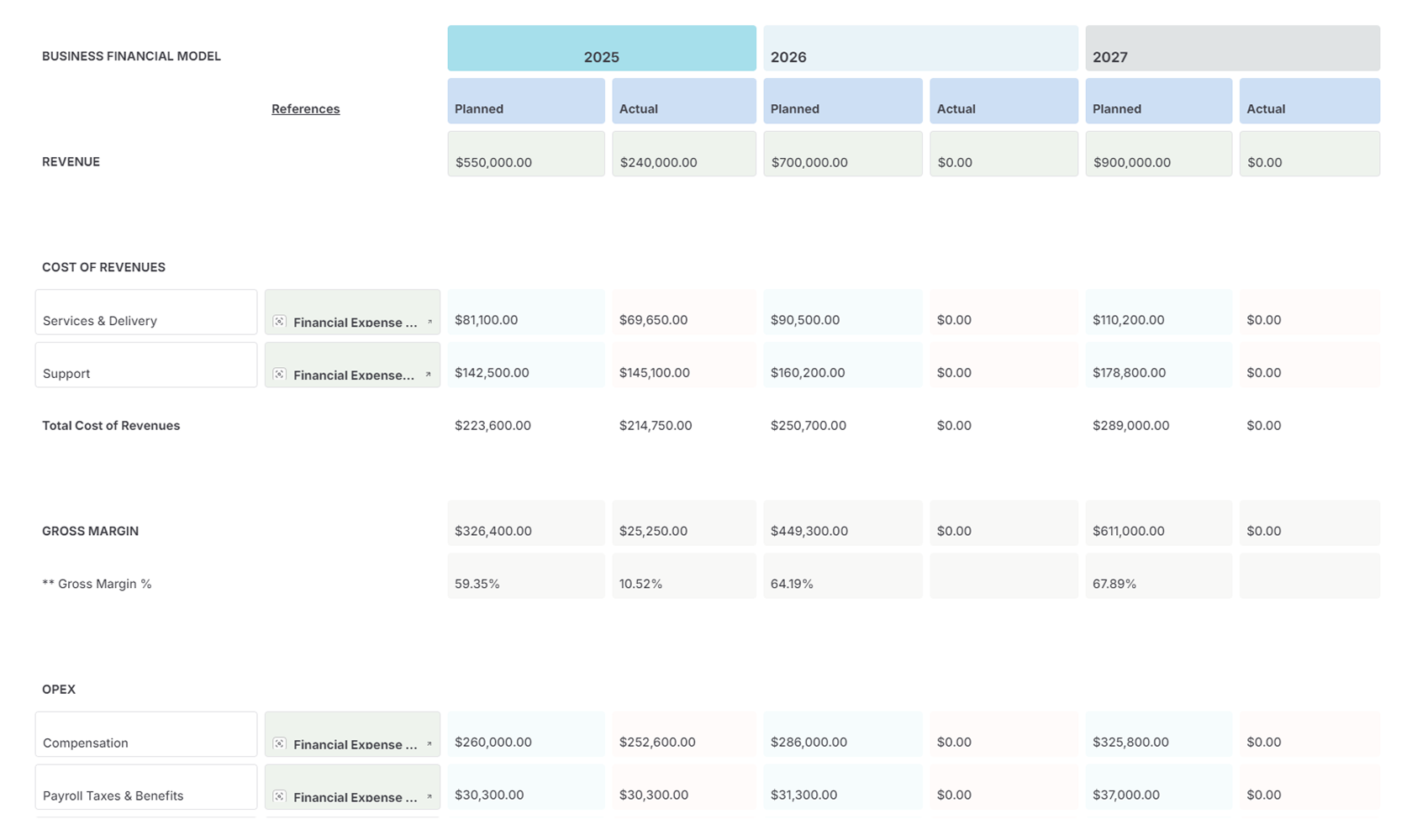
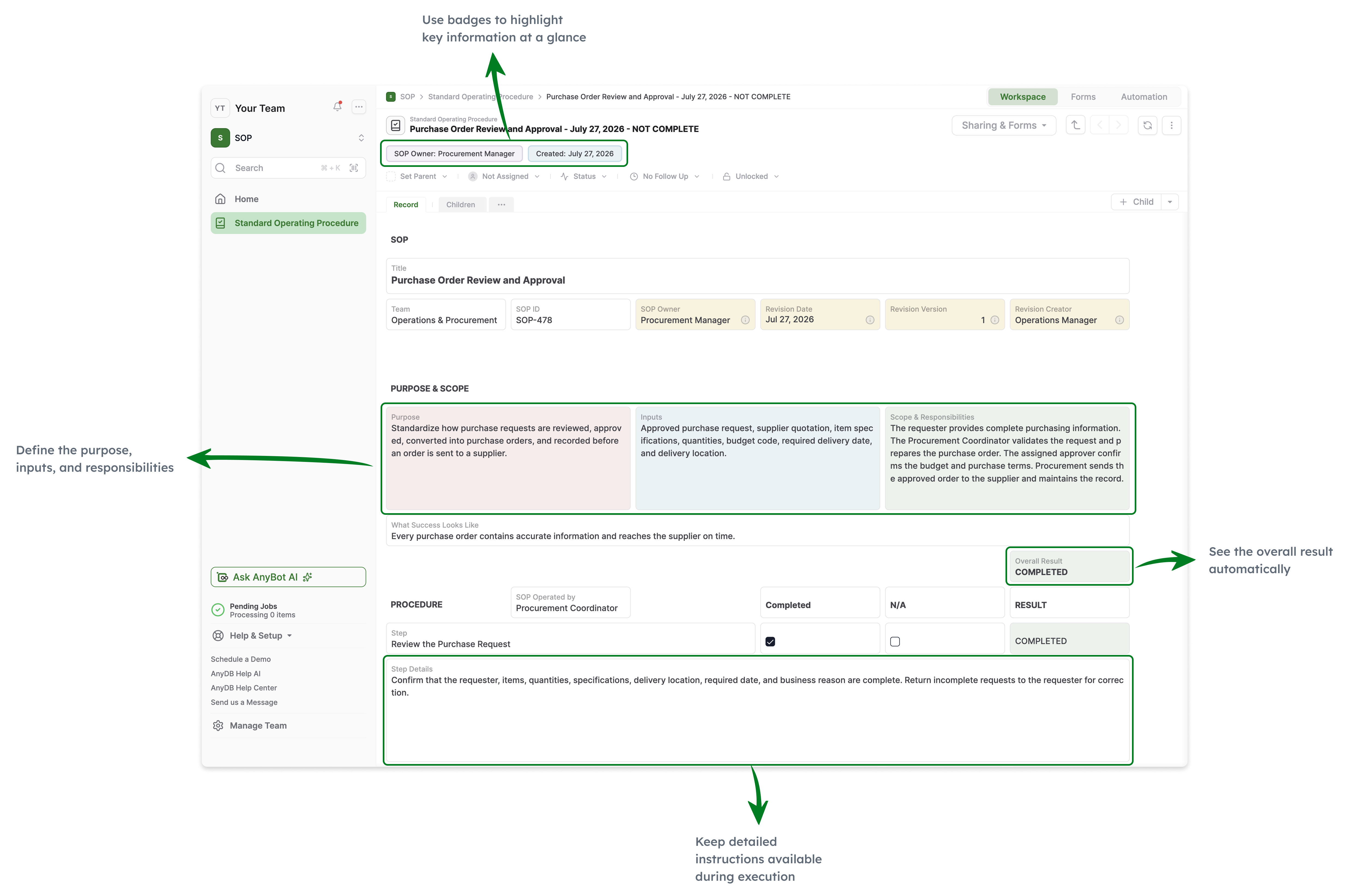
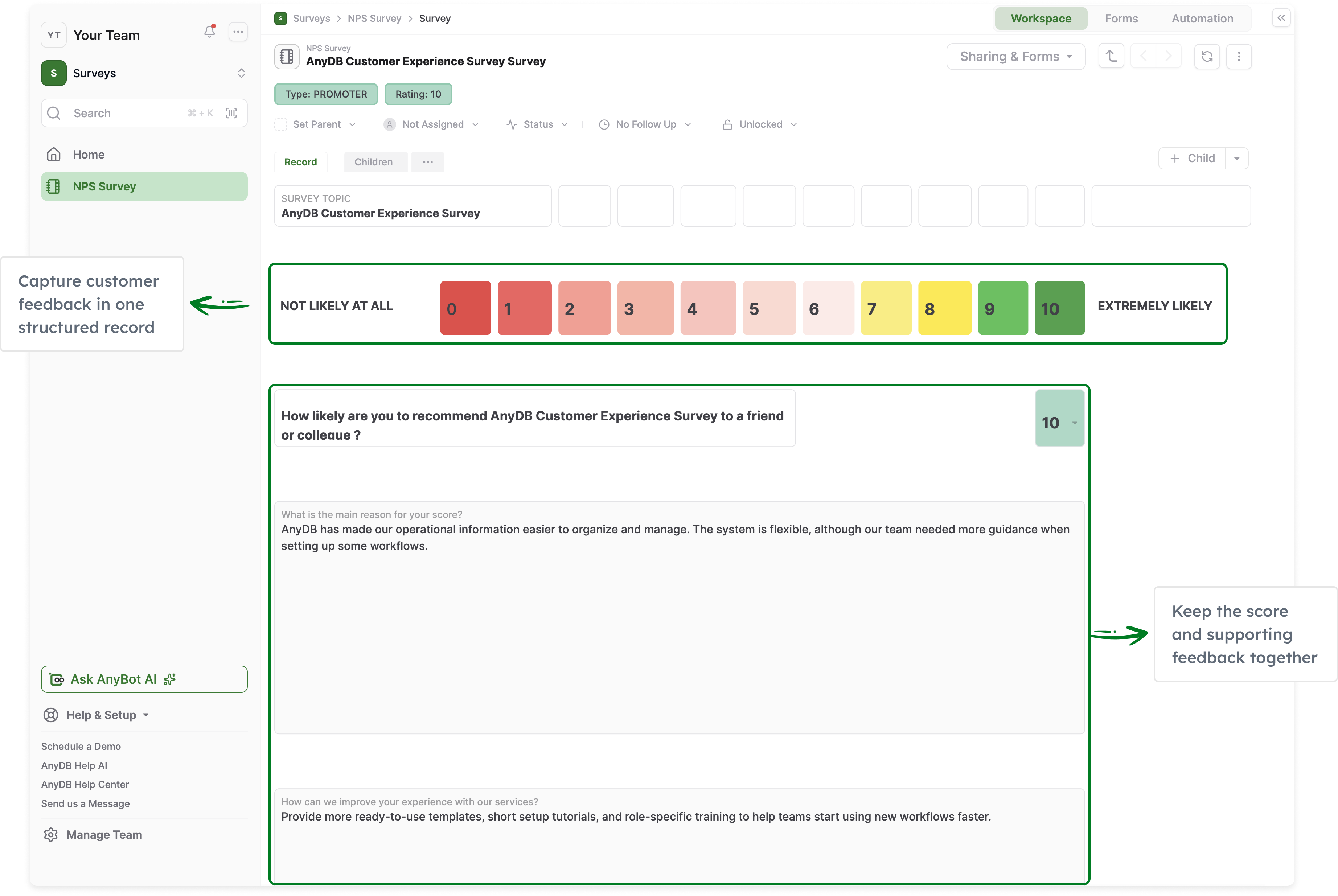
See how AnyDB powers your business operations

  • Flexible Views
  • A Natural Record Layout
  • Portals
  • Combine Objects

Flexible Views

A Natural Record Layout

Portals

Combine Objects

Build Business Operations Without Airtable Workarounds

Create connected, object-based systems with the structure, flexibility, and control to run your business.

Get for Free
No credit card needed!

Frequently Asked Questions

How is AnyDB different from Airtable?

Airtable is built around tables, bases, and interfaces. AnyDB is built around connected business objects such as customers, orders, inventory items, projects, assets, vendors, and the workflows between them. This makes it easier to model complete business operations instead of maintaining separate trackers.

Can AnyDB replace an existing Airtable setup?

Yes. You can rebuild one Airtable workflow first, import the related records, and expand from there. AnyDB is designed so you can start with one operational system and gradually connect additional processes, teams, and data.

Can I import data from Airtable?

Yes. Airtable data can be exported and imported into AnyDB. We can also help map tables, linked records, attachments, and related business processes into an object-based structure that is easier to manage over time.

What are object-based systems?

Object-based systems organize data around real business records. For example, an order can contain line items, a project can contain tasks, a product can contain components, and an asset can contain inspections and maintenance history. These records can also connect to customers, vendors, files, approvals, and workflows.

Does AnyDB support linked records and child records?

Yes. AnyDB supports both linked records and parent-child structures. You can connect records across workspaces and create structured hierarchies for orders and line items, projects and tasks, products and components, inspections and findings, and many other operational relationships.

Can external users access AnyDB?

Yes. AnyDB includes secure portals for customers, vendors, partners, contractors, and other external users. You can control which records, files, forms, and actions each user can access without exposing the rest of your internal system.

Can AnyDB generate documents from records?

Yes. AnyDB can generate PDFs, Word documents, spreadsheets, reports, invoices, purchase orders, certificates, and other business documents directly from live record data.

Does AnyDB support forms, views, dashboards, and automations?

Yes. AnyDB includes forms, list and table views, cards, calendars, charts, reports, assignments, reminders, workflows, and automation. These capabilities operate on the same connected records instead of requiring separate tools or duplicated data.

Do I need technical skills to build in AnyDB?

No. Most systems can be created and customized without coding. You can define record types, fields, views, forms, permissions, and workflows through the interface. Advanced scripting is available when a process needs custom logic.

Can AnyDB help us design and migrate our system?

Yes. You can share your current Airtable base, spreadsheet, or workflow, and the AnyDB team can help model the records, relationships, permissions, and processes for your first working system.