
Published on August 19, 2026


Airtable cost looks simple on the pricing page: pick a plan, count the seats, estimate the monthly spend.
That works while Airtable is used for lightweight databases, simple tracking, or small internal tools. But once teams start running real operations in Airtable, the pricing question changes.
The listed plan price no longer tells you how much the system will actually cost to maintain, scale, and operate.
The real calculation includes:
- Editor seats;
- Record limits;
- Attachment storage;
- Automation runs;
- API usage;
- Portals;
- External collaboration; and
- Time spent maintaining bases as workflows grow.
This is where many teams start comparing Airtable plans more closely. They may also be looking for an Airtable alternative before the next upgrade, add-on, or workflow workaround increases the total cost.
Airtable pricing is clear at the plan level. The bigger question is whether the platform still fits the way your operations actually run.
How Much Does Airtable Cost In 2026?
Airtable cost is based on the plan and the number of paid collaborators. According to Airtable’s official pricing page, Airtable plans are charged per seat. On Team and Business plans, Airtable says users with edit permissions are paid collaborators, while read-only collaborators, form submissions, and share links are not charged.
| Plan | Annual Price | Monthly Price | Best Fit | Key Limits |
| Free | $0 | $0 | Individuals or very small teams getting started with Airtable. | 5 editors, 1,000 records per base, 1,000 API calls per month, 1 GB attachment storage per base, and 2 weeks of revision and snapshot history. |
| Team | $20 per collaborator/month | $24 per collaborator/month | Teams building apps to collaborate on shared workflows. | 50,000 records per base, 100,000 API calls per workspace per month, 20 GB attachment storage per base, and 1 year of revision and snapshot history. |
| Business | $45 per collaborator/month | $54 per collaborator/month | Teams and departments that need advanced features and basic administration. | 125,000 records per base, unlimited API calls per workspace per month, 100 GB attachment storage per base, and 1 year of revision and snapshot history. |
| Enterprise Scale | Custom | Custom | Organizations that need scalable apps with stronger governance and administration. | Public pricing is not listed. Airtable directs teams to contact sales for Enterprise Scale pricing and details. |
For small teams, Airtable pricing can look straightforward.
The larger question is operational participation.
In a heavy operations environment, cost is not only about total headcount. It is about how many people need to update records, approve steps, upload files, complete forms, maintain workflows, or manage operational data inside Airtable.
If the system supports daily work across operations, finance, vendors, inventory, assets, approvals, or compliance, more users may need active permissions, and the Airtable cost per month can rise with the way the business actually runs.
The Hidden Costs Behind Airtable Pricing
Airtable hidden costs rarely come from one line item. They come from the way the platform becomes embedded in the business.
The first cost driver is Airtable seats. On paid plans, users with edit permissions are paid collaborators, so the cost increases once more people need to update records, approve steps, upload files, or manage workflows instead of only viewing data.
Then come the operational limits. Teams may upgrade Airtable plans to get higher records, storage, API, sync, admin, or automation limits.
They may also add portals, which Airtable lists as an additional cost starting at $120/month for 15 portal seats on Team and $150/month for 15 portal seats on Business.
The harder cost to see is operational sprawl. A company starts with one clean base, then adds more bases, interfaces, automations, scripts, integrations, and exceptions. Over time, teams spend real hours maintaining permissions, cleaning data, fixing broken workflows, and keeping cross-base processes consistent.
This is where the Reddit pain point becomes familiar: small teams expect one number from the pricing page, then realize the actual quote or setup depends on roles, collaborators, limits, and how the system is being used.
Airtable becomes more expensive when the business moves from tracking information to running operations.
Once customer records, approvals, inventory, vendors, files, and workflows depend on it, the real question is not only subscription cost. It is whether the Airtable pricing model still fits the operating model.
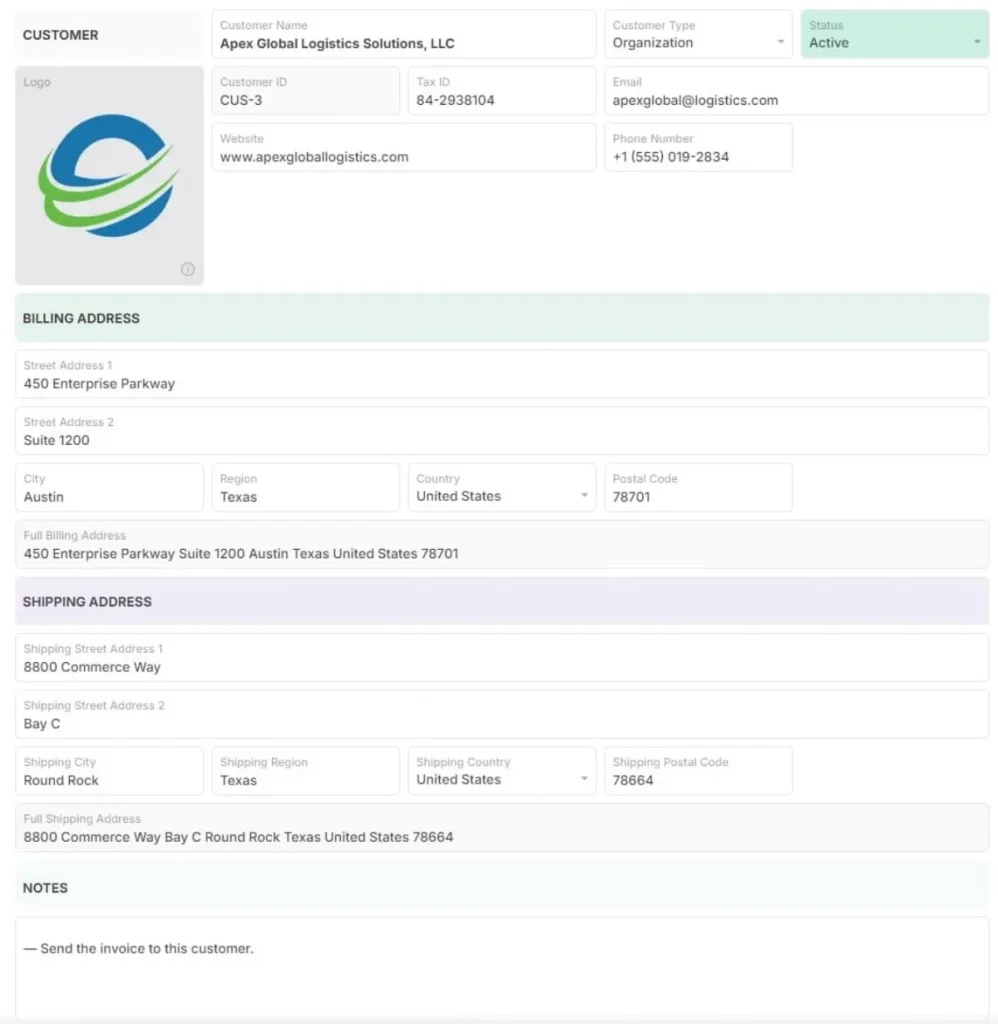
Airtable Vs. AnyDB: Cost, Structure, And Operational Fit
Airtable is a strong tool when the business needs flexible tables, lightweight internal apps, and collaborative tracking. The question changes when those tables become the operating layer for orders, assets, inventory, vendors, approvals, files, and external users.
At that point, the comparison is not only Airtable cost per user. It is whether the system can support how the business actually operates.
| Area | Airtable | AnyDB |
| Core model | Tables, bases, views, and interfaces | Object-based operational records |
| Best fit | Organizing information and lightweight workflows | Running connected business operations |
| Data shape | Flat or lightly linked tables | Nested and connected business objects |
| Typical use cases | Content calendars, project tracking, lightweight internal apps | Inventory, purchasing, orders, assets, work orders, claims, approvals |
| Complex records | Often modeled across multiple tables, linked fields, views, and interfaces | Orders, assets, projects, or claims can contain child records, files, assignments, reminders, approvals, documents, and activity |
| External collaboration | May require paid seats, limited interfaces, forms, portals, or workarounds depending on access needs | Unlimited guest portal users included |
| Portals | Limited or may require additional setup | Built-in secure portals for customers, vendors, and partners |
| Document generation | Usually requires third-party tools or integrations | Native Word, PDF, Excel, reports, and operational forms from live records |
| Assignments and reminders | Requires configuration | Built into operational records |
| Files and history | Attachments and activity history available | Files, comments, documents, approvals, reminders, and history stay attached to the operational record |
| Deployment | Cloud only | Cloud, Private Cloud, GovCloud, or Self-Hosted |
The difference becomes most visible in heavy operations.
What This Means For Operations Teams
In Airtable, a sales order with line items often becomes a set of related tables, views, interfaces, and automations. In AnyDB, the sales order can remain the unit of work, with line items, files, assignments, reminders, generated documents, approvals, and activity inside one complete record.
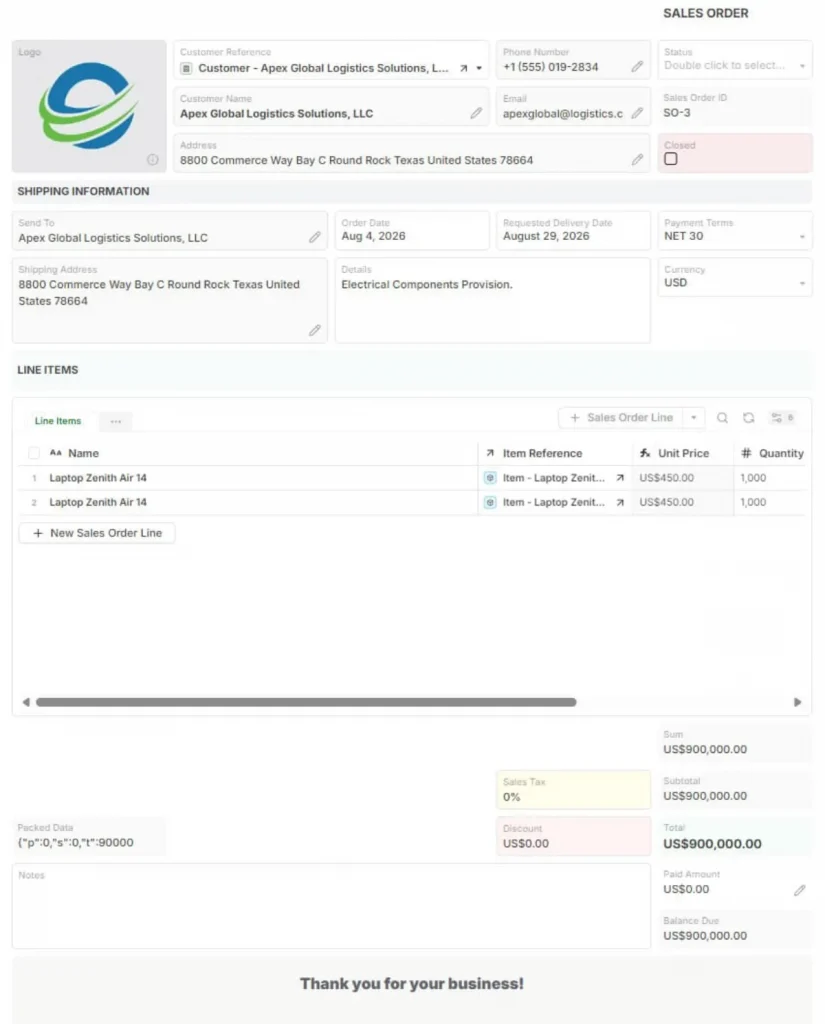
That matters for operations leaders because structural overhead eventually becomes operating cost. Teams spend time maintaining bases, syncing duplicated data, rebuilding interfaces, controlling access, and explaining where the real record lives.
AnyDB is built around the opposite idea: the customer, order, asset, project, vendor, or claim should be the center of the workflow. The record should hold the data, related records, files, work, documents, and history together.
For companies evaluating Airtable pricing because operations are expanding, this is the real decision: use Airtable when the goal is to organize flexible data; consider AnyDB when the business needs to run connected operations with portals, permissions, document generation, workflows, and complete business records.
To go deeper, see the full comparison on the AnyDB Airtable Alternative page.
How To Decide If Airtable Cost Still Makes Sense
Airtable pricing should be evaluated against how the business actually uses the system, not only against the plan page. Use this process before upgrading, adding portal seats, or committing to a larger workspace.
- Count Editors, Not Total Users
Start with the people who need to change data. Read-only users are different from users who update records, approve steps, upload files, edit workflows, or manage operational information. The real Airtable cost depends on active participation.
- Map The Processes Running In Airtable
List the workflows Airtable supports today. Simple tracking is one category. Critical operations are another. If Airtable now manages inventory, approvals, customer records, project delivery, asset tracking, vendor data, or content operations, the platform is no longer just a flexible database. It is part of the operating model.
- Review Limits And Add-Ons
Check the limits that affect the next stage of growth: records per base, storage, automations, API needs, sync requirements, AI usage, and portal access. Many pricing decisions come from hitting limits, not from needing a better table.
- Calculate Operational Maintenance
Subscription cost is only one part of the number. Include the time spent cleaning data, maintaining bases, managing permissions, fixing automations, building workarounds, and connecting Airtable to other tools.
- Compare Alternatives Before The Next Upgrade
If the next Airtable plan or add-on is driven by operational complexity, compare alternatives before the cost increases. A platform built for connected operations may be a better fit when the business needs records, workflows, files, permissions, portals, and audit history to work together.
Is Airtable Still Worth The Cost?
Airtable cost should not be judged only by the published price. The real question is whether the platform still fits how the business works.
For small teams, Airtable pricing can be easy to justify. But as editors, records, automations, portals, storage, and cross-team workflows expand, the Airtable cost per year can change quickly.
A simple Airtable pricing comparison or Airtable cost calculator may show the subscription number, but it will not always show the operational cost behind maintenance, workarounds, permissions, and disconnected processes.
If the next Airtable upgrade is being driven by operational complexity, it may be time to compare Airtable alternatives before committing to another plan.
Book a free demo call with AnyDB and see how your team can build connected operations with flexible records, workflows, portals, and real operational visibility.
Frequently Asked Questions About Airtable Cost
Can I Use Airtable For Free?
Yes. Airtable has a Free plan for lightweight use cases, but teams may outgrow limits on records, storage, automations, permissions, and scale.
How Much Does Airtable Cost Per User?
Team costs $20/user/month annually or $24 monthly. Business costs $45/user/month annually or $54 monthly, based on Airtable’s listed pricing.
Why Is Airtable So Expensive?
Costs rise with editor seats, upgrades, usage limits, portals, automations, integrations, and the time needed to maintain operational workflows.
Is Airtable Just Excel?
No. Airtable combines tables, views, interfaces, automations, integrations, and database logic, but deeper operations may need another platform.
What Is The Best Airtable Alternative For Operations Teams?
AnyDB fits teams that need connected records, workflows, permissions, portals, files, audit history, and flexible operational systems.

The End-to-End Operations System that Finally Fits Your Reality.
No more scattered spreadsheets or rigid, disconnected tools.
AnyDB is a modern, customizable platform for managing business records and operations across teams, clients, and partners.
Learn More


Phone: (512)-761-7979
© 2024 Humanly Inc. All rights reserved.
What is AnyDB?
AnyDB is a unified, customizable data store designed to streamline and empower your entire organization. Effortlessly store, organize, and share custom business data to drive both internal and external operations across teams. Think of it as spreadsheets on steroids.Perfect for Sales, Marketing, Operations, HR, and beyond. Discover AnyDB