Power Apps Alternative
Built for Business Operations

Build connected operational systems without assembling and maintaining a broader Power Platform architecture.

Connected records, workflows, portals, documents, permissions, automation, and history in one system.

Free Demo / Setup
Book a demo and let us set up AnyDB for you. Free of charge!

See how AnyDB turns connected business records into operational systems

Why Teams Choose AnyDB

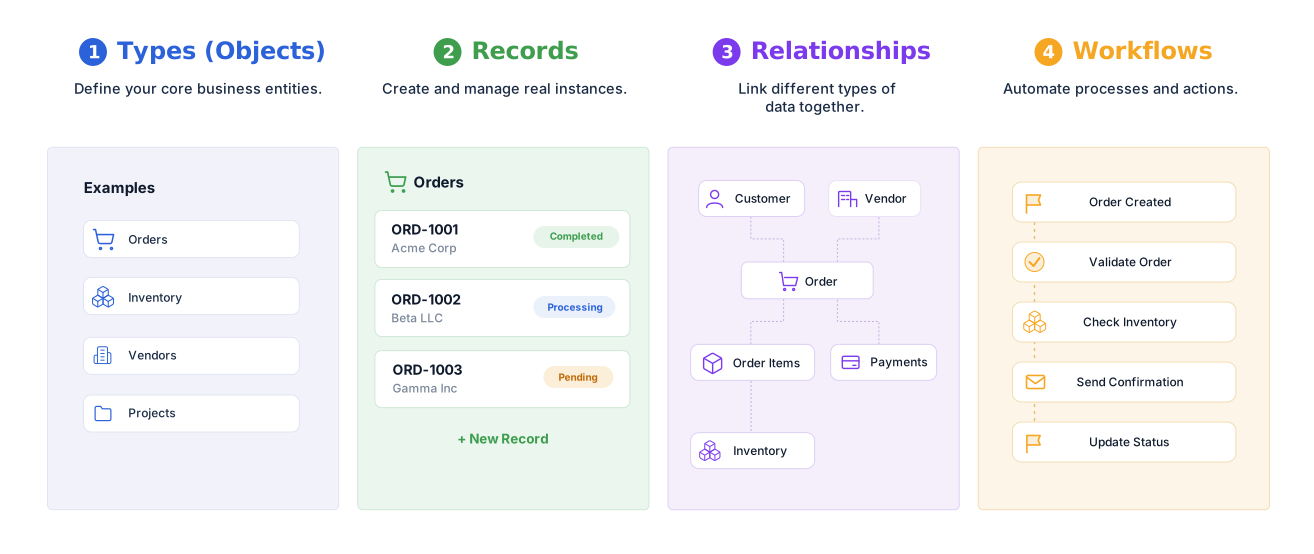
Build Around Real Business Objects

Model customers, orders, inventory, projects, assets, vendors, inspections, work orders, and other operational records around the way your business actually works.

Run Connected Operations

Connect records across teams so assets, projects, purchasing, inventory, vendors, files, and workflows stay part of one operational system instead of separate apps and services.

Start Small and Expand

Begin with one workflow or department and add new record types, processes, views, automations, and related operations as requirements evolve.

Manage Complex Record Hierarchies

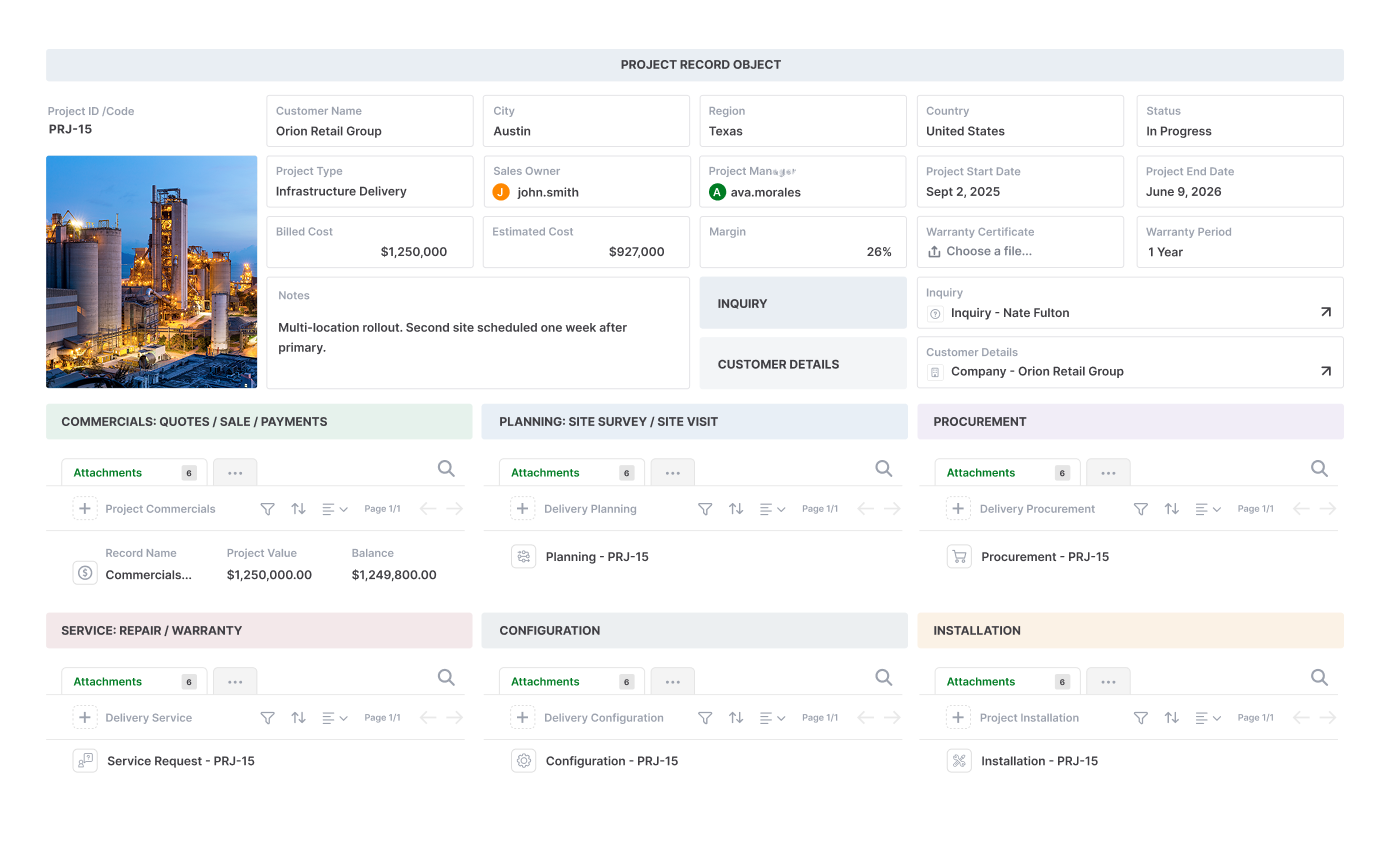
Use child records for line items, tasks, components, inspections, maintenance history, and other structured details without forcing everything into a flat table.

The Record Is the Working Interface

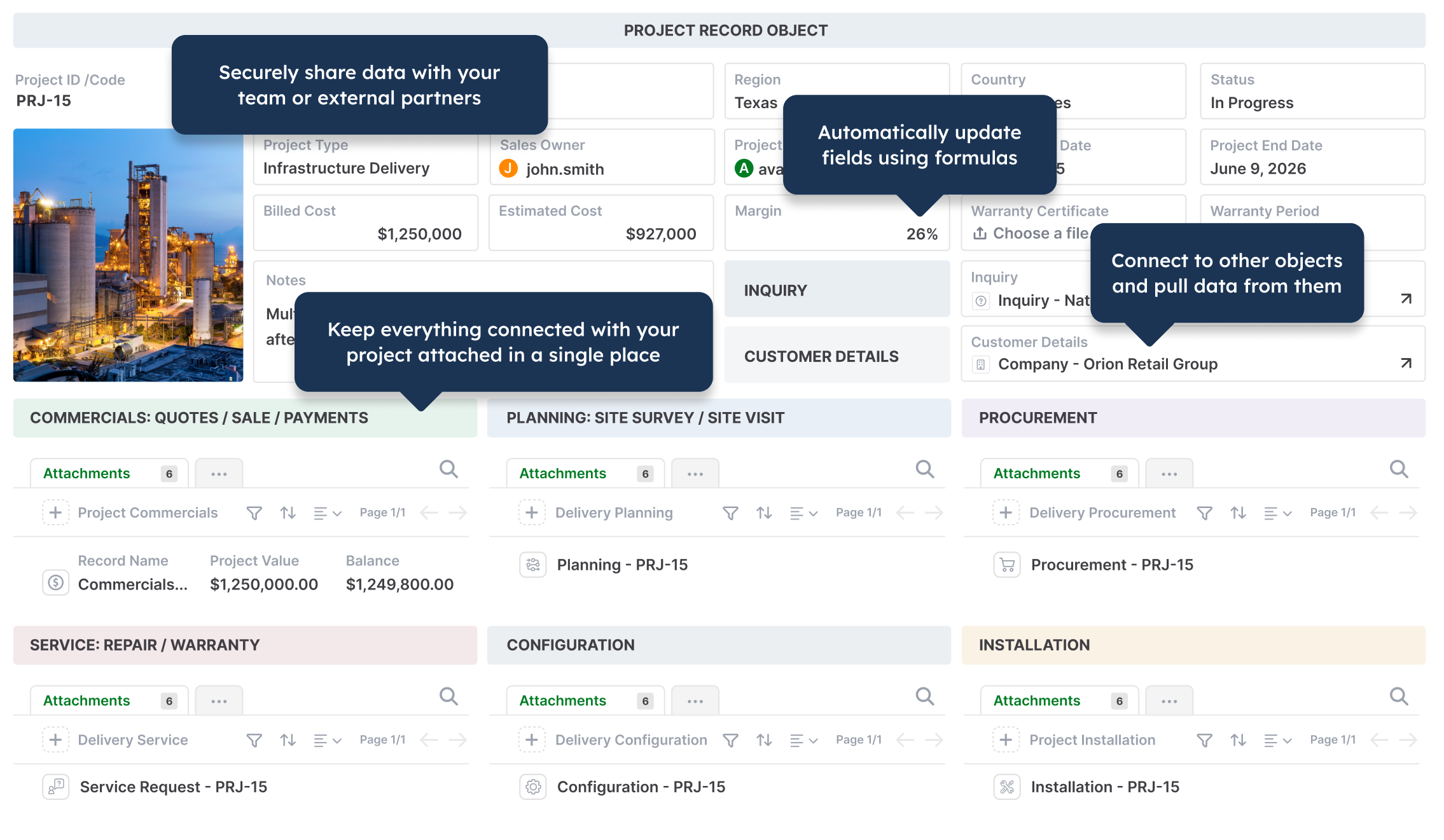
Bring fields, child records, linked records, files, actions, pages, and related information together in one layout designed around the work being done.

Files, Workflows, and Data Stay Together

Keep documents, attachments, approvals, assignments, reminders, and automation connected to the records they belong to.

Extend Operations Through Portals

Give customers, vendors, partners, and other external users controlled access to records, forms, files, and updates through built-in portals.

Generate Documents From Live Data

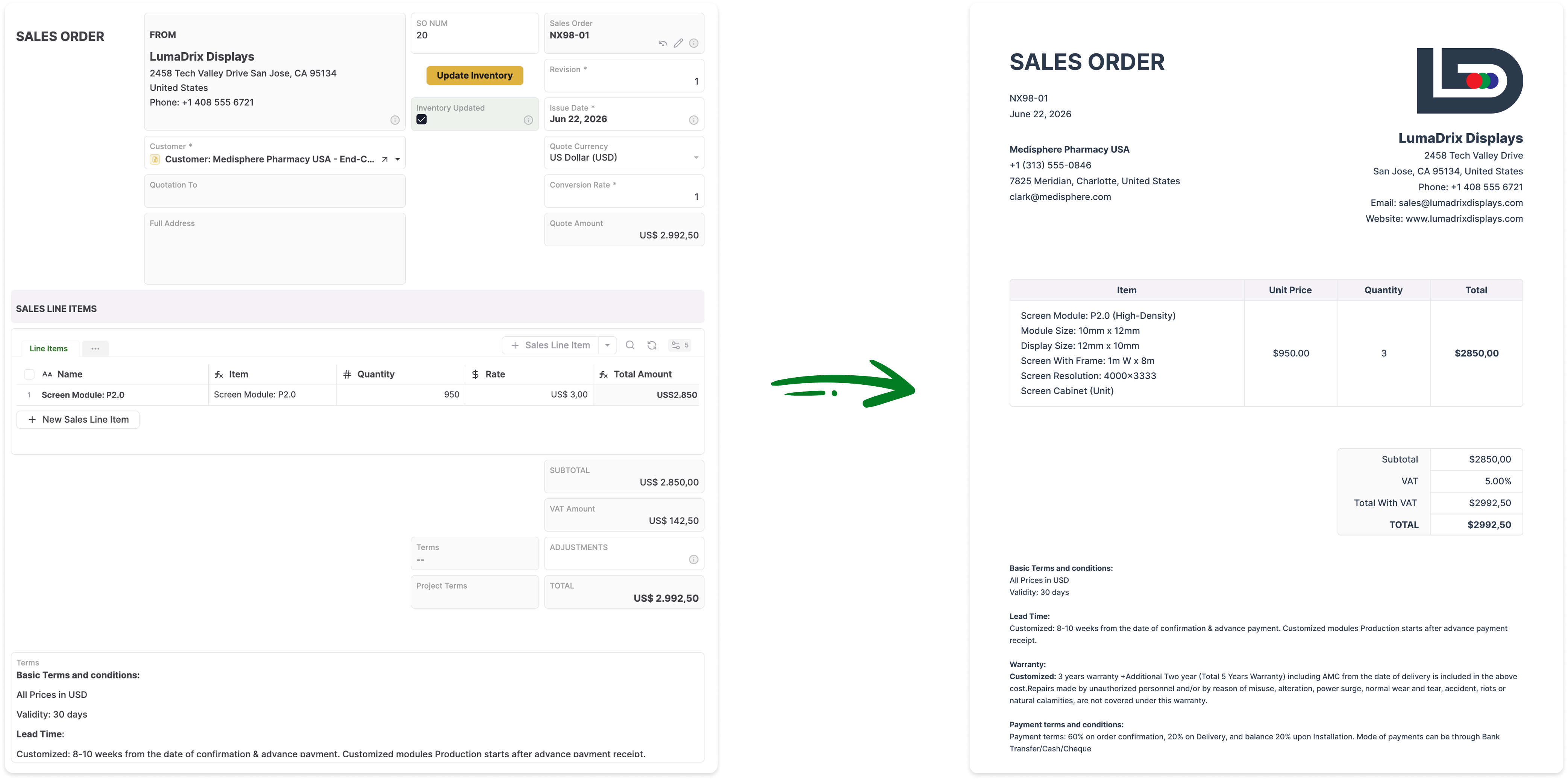
Create PDFs, Word documents, spreadsheets, reports, and operational forms directly from current records.

Built-In Record History and Versioning

Track changes to operational records over time and preserve a clear history of how information has evolved.

When Power Apps May Be the Better Fit

  • Your organization is deeply standardized on Microsoft 365, Dataverse, Dynamics 365, Azure, Teams, and the wider Power Platform
  • You need highly customized canvas interfaces, model-driven apps, or code-based extensions within the Microsoft ecosystem
  • You depend on Microsoft-specific connectors, identity, governance, Copilot, and enterprise administration
  • You require mature application lifecycle management with environments, solutions, pipelines, source control, and deployment governance
  • You have a Power Platform team, Center of Excellence, or trained makers and administrators supporting application delivery

When AnyDB May Be the Better Fit

  • You need a connected operational system rather than a collection of separate application-building services
  • Your work revolves around business records such as assets, orders, vendors, inventory, projects, inspections, and work orders
  • You want operations or business systems teams to configure and evolve the system more directly
  • You want records, files, workflows, portals, documents, and history together in one operational environment
  • You want to start with one process and expand into connected operations over time
  • You need cloud, private cloud, or self-hosted deployment options

Power Apps is built for custom application development across the Microsoft ecosystem.
AnyDB is built to run connected business operations.

Power Apps gives organizations a broad low-code application platform with canvas apps, model-driven apps, Dataverse, Power Automate, Power Pages, connectors, Copilot, and enterprise lifecycle tools. AnyDB takes a different starting point: the real things your business already manages, such as customers, orders, inventory, projects, assets, vendors, inspections, and work orders.

With AnyDB, records, relationships, files, workflows, permissions, portals, documents, history, and automation live together in the same operational system. Start with one process, then connect additional parts of the business as your needs grow.

Two Different Starting Points

Both platforms can support sophisticated business systems. Power Apps starts with low-code application development across the Microsoft ecosystem. AnyDB starts with the records, relationships, and workflows that make up day-to-day business operations.

Best Fit Power Apps AnyDB
Primary categoryLow-code application development platformBusiness operations platform
Core buyerIT teams, Power Platform teams, business application teams, and departmental makersOperations leaders, business systems teams, and department owners
Best environmentOrganizations standardized on Microsoft 365, Dataverse, Dynamics 365, Azure, and the wider Power PlatformOrganizations that need connected operational systems across business functions
Starting pointDesign and build an applicationModel the real things and workflows already running the business
System modelCanvas apps, model-driven apps, Dataverse, flows, connectors, pages, and platform servicesConnected business objects, records, relationships, views, forms, pages, workflows, and automations
Typical ownershipMakers, developers, administrators, IT teams, and Power Platform governance teamsOperations and business systems teams, with IT involvement as needed
Data modelDataverse tables and relationships or connected external data sourcesNative child and linked records organized around business objects
Typical use casesDepartmental applications, Microsoft 365 extensions, internal tools, forms, workflows, and custom business appsInventory, purchasing, assets, maintenance, inspections, projects, work orders, approvals, vendors, and connected operations
Application lifecycleMature ALM with environments, solutions, pipelines, source control, and deployment toolingSimpler configuration model focused on evolving operational systems and records
External experiencesPower Pages or other Microsoft application experiencesBuilt-in portals for customers, vendors, partners, and other external users
DeploymentMicrosoft cloud platformCloud, private cloud, or self-hosted deployment

Capability Comparison

The platforms overlap in areas such as data, workflows, integrations, permissions, portals, mobile access, and AI. The biggest difference is whether you want to assemble applications from the broader Power Platform or run operations in one connected system.

Capability Power Apps AnyDB
Canvas applicationsHighly flexible custom interfaces built with controls and Power FxConfigurable record layouts, views, forms, pages, and actions
Model-driven applicationsData-first applications generated around Dataverse tables, forms, views, charts, and dashboardsOperational systems organized around connected business objects and records
Relational dataDataverse tables and relationshipsNative child and linked records
Formula and business logicPower Fx, Dataverse business logic, flows, and extensibilityFields, formulas, conditions, automations, buttons, and custom scripts
Workflow automationPower Automate and related Power Platform automation servicesBuilt-in workflows, approvals, triggers, conditions, actions, assignments, and notifications
Connector ecosystemExtensive Microsoft and third-party connector ecosystemAPIs, webhooks, integrations, automations, and custom scripts
Microsoft ecosystem integrationDeep native integration with Microsoft 365, Dataverse, Dynamics 365, Azure, Teams, and CopilotExternal integration through APIs, webhooks, automations, and scripts
External portalsPower Pages with separate site capacity and licensingBuilt-in portals with unlimited guest users
Document generationTypically implemented through Power Automate, templates, Microsoft services, or integrationsNative PDF, Word, and spreadsheet generation from live records
AI capabilitiesCopilot and AI capabilities integrated across Power Apps and the broader Power PlatformAI working within connected operational records, files, relationships, and workflows
Mobile accessPower Apps mobile supports canvas and model-driven applications, including offline-capable scenariosMobile access for operational work, including barcode, QR, photos, and record updates
Barcode and device featuresBarcode reader and device capabilities available in supported Power Apps experiencesBarcode, QR, photos, and mobile record updates built around operational records
Security and governanceMicrosoft identity, Dataverse security, data policies, environments, governance, and administrationDetailed team, workspace, record, and field permissions with record version history
Application lifecycle managementAdvanced ALM using environments, Dataverse solutions, pipelines, source control, and deployment toolingFocused on simpler configuration and evolution of operational systems
Self-hosted deploymentNo complete self-hosted Power Apps platformSelf-hosted deployment available
Operational team ownershipOften shared across makers, developers, administrators, and governance teamsDesigned for more direct configuration by operational and business systems teams

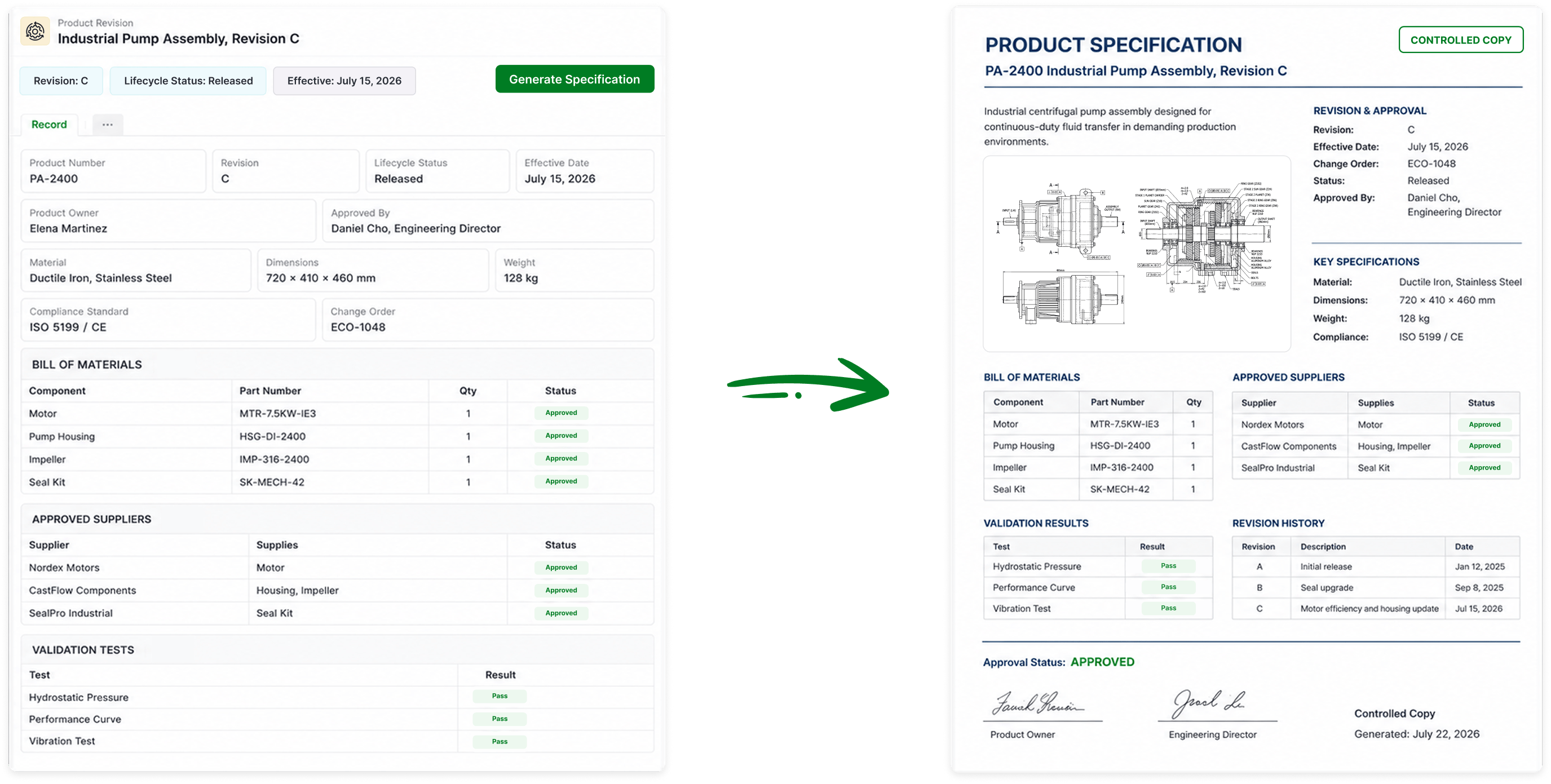
Generate Documents Directly From Your Live Records

Turn AnyDB records into professional PDFs, Word documents, and spreadsheets with fields, linked data, tables, terms, and other relevant information automatically included.

Start With the Real Things in Your Business

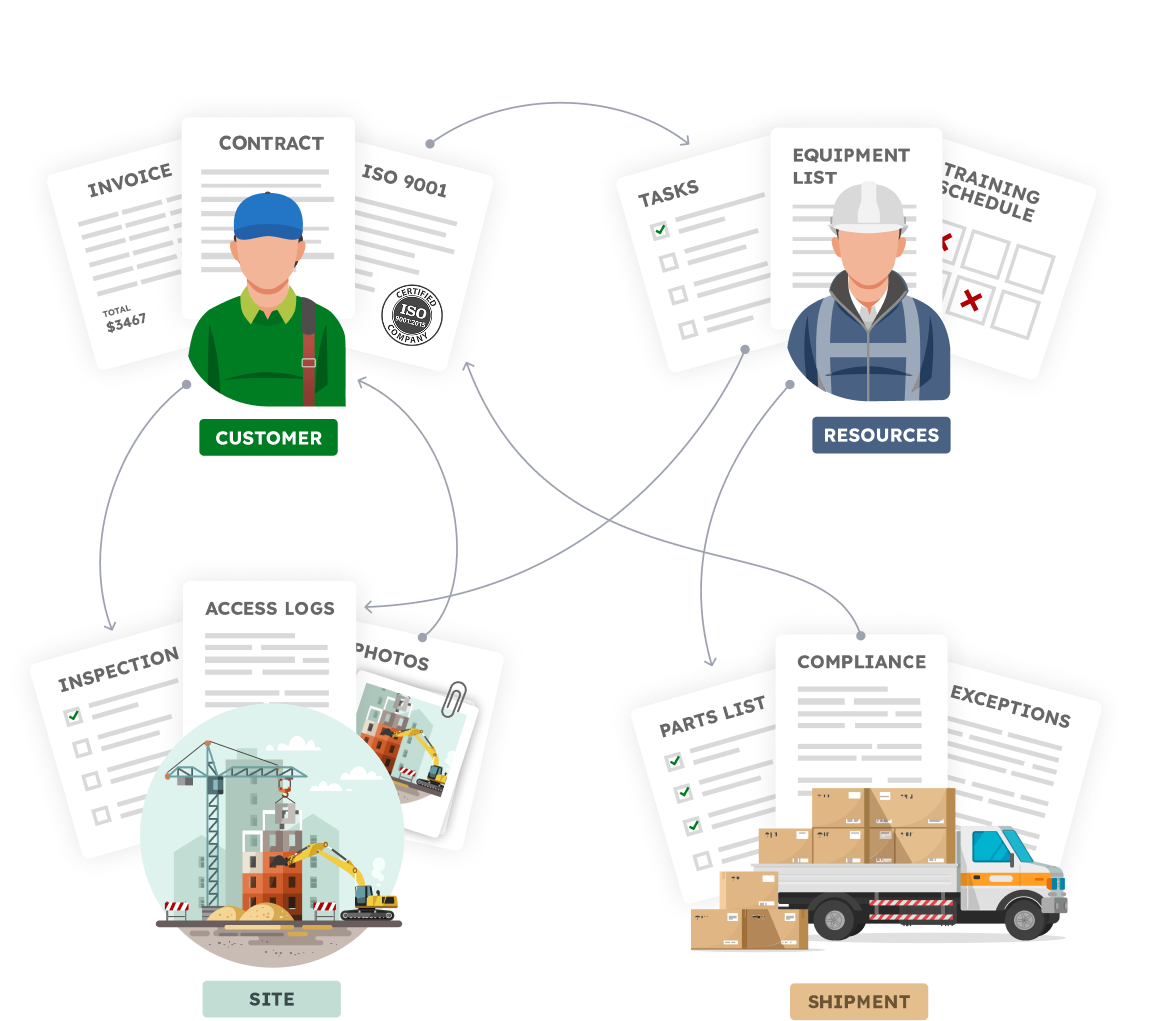
Your operations are already organized around real business concepts.

  • A vendor with certifications, contracts, invoices, and purchase orders
  • An asset with a location, inspections, maintenance, files, and ownership history
  • An employee with tasks, training, equipment, and approvals
  • A shipment with items, compliance documents, status changes, and exceptions

Define your structure, connect your data,
and automate how work flows.


Familiar to use.Built for real operations.


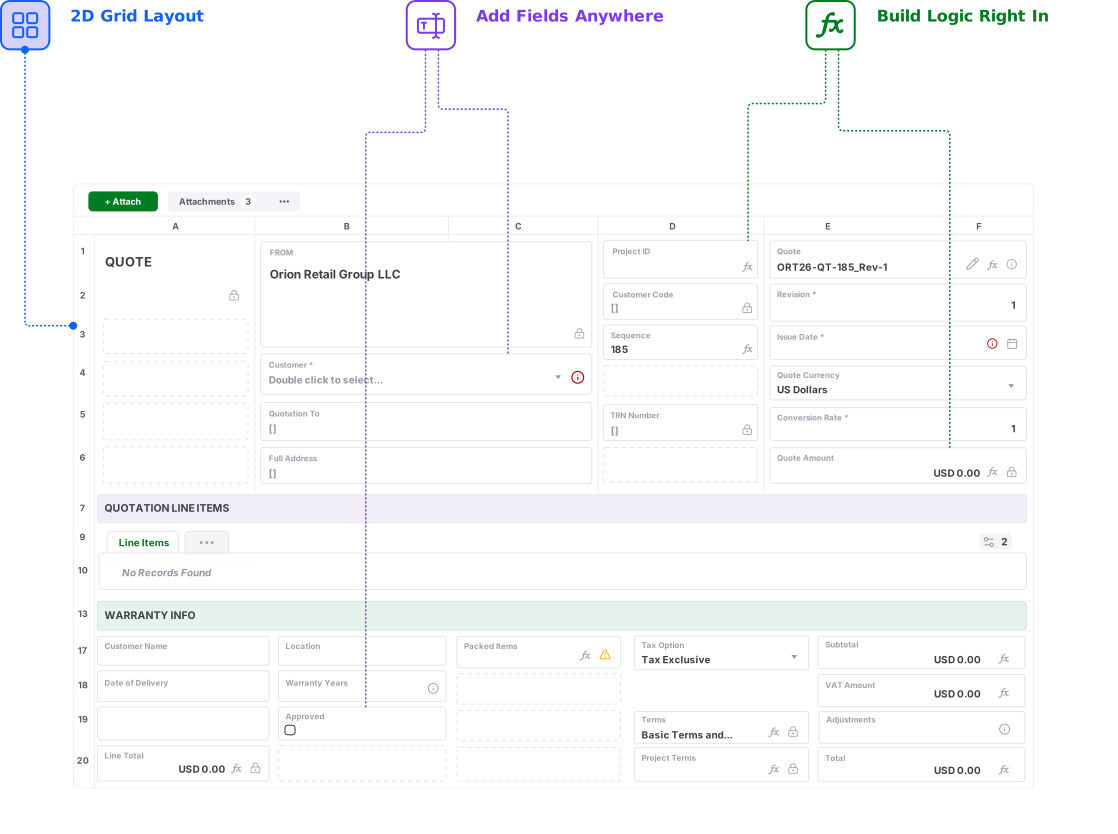
Reuse your spreadsheet skills.
Design record and form layouts in a flexible two-dimensional grid.

Explore AnyDB Systems in Action

  • Asset Management
  • Projects
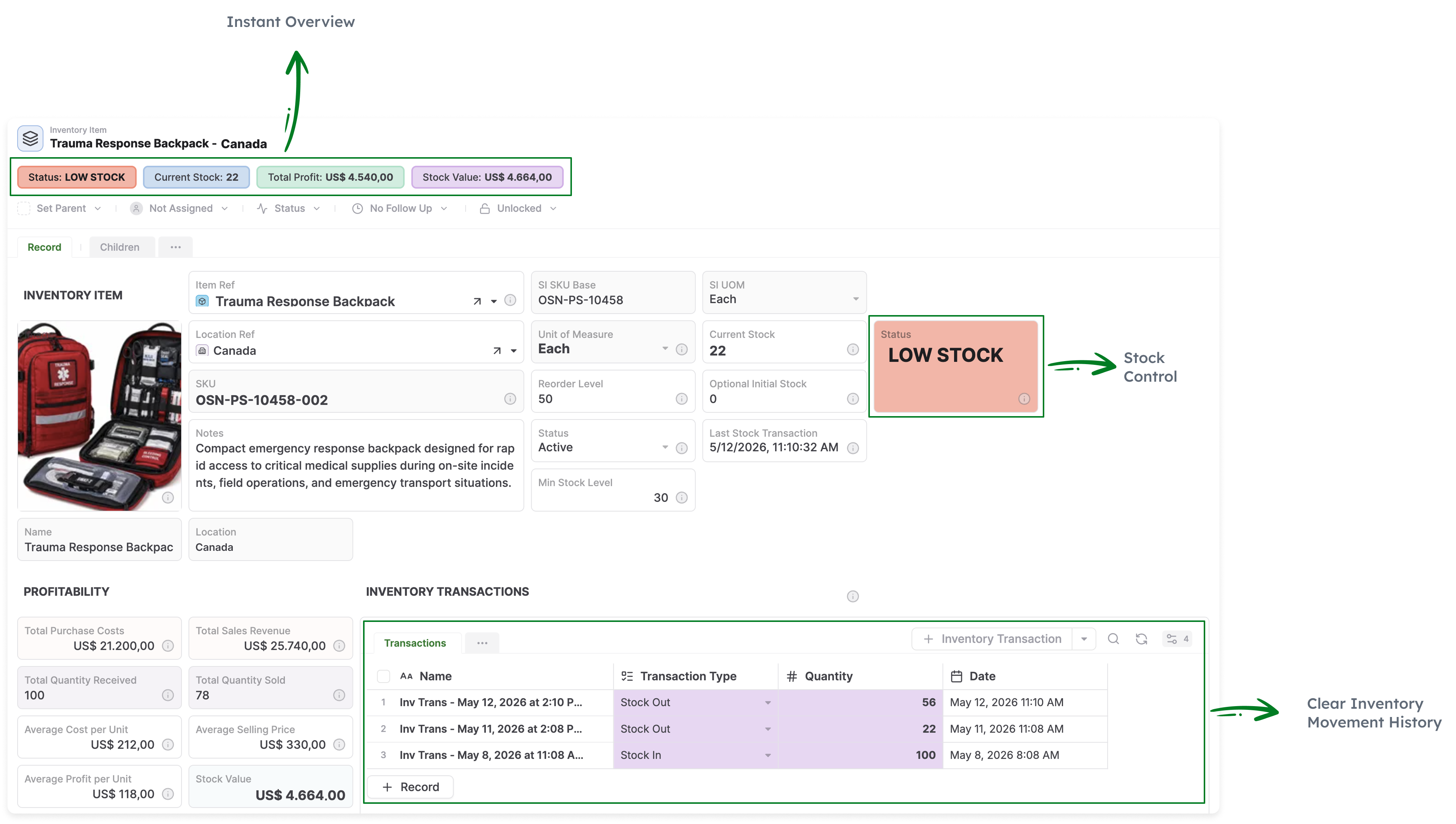
  • Inventory
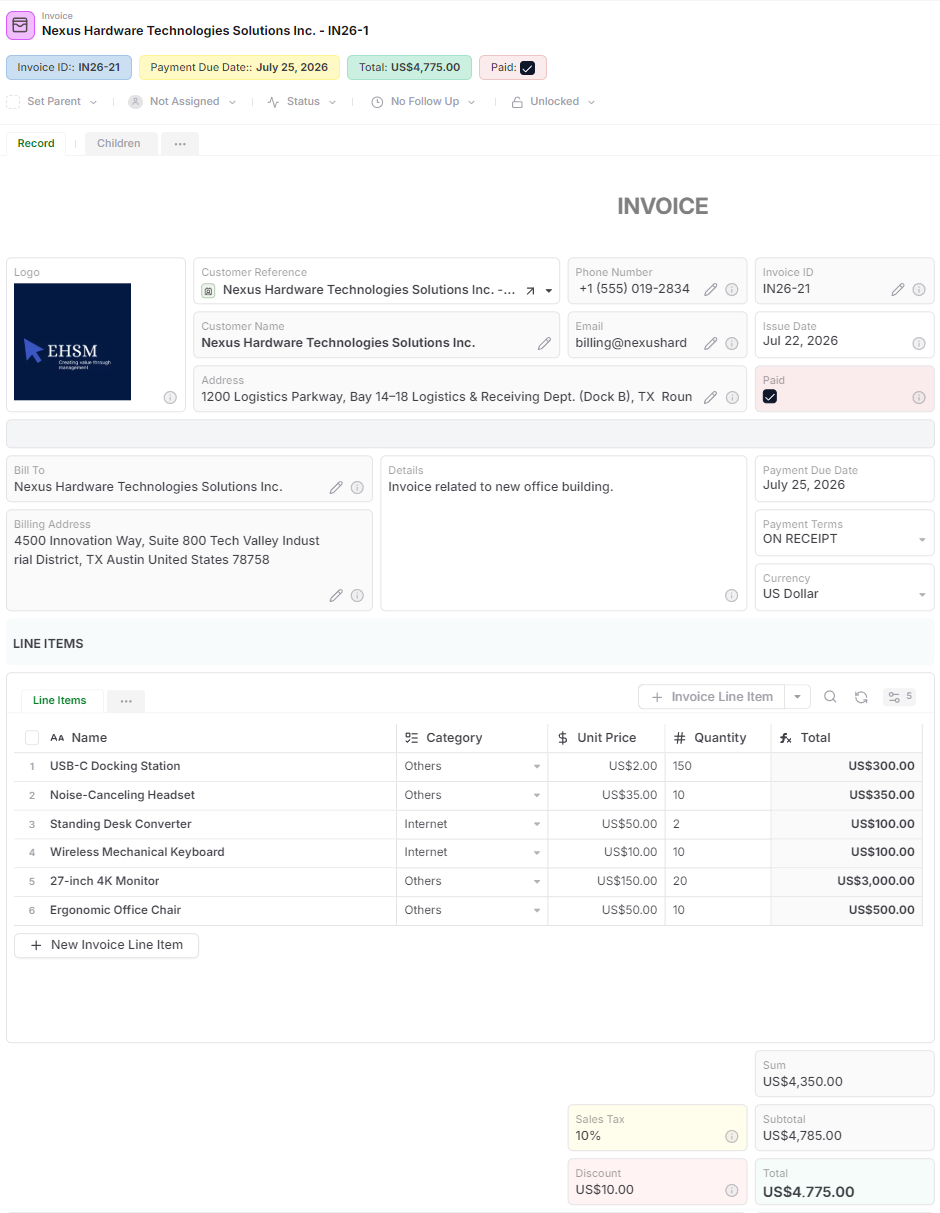
  • Invoices
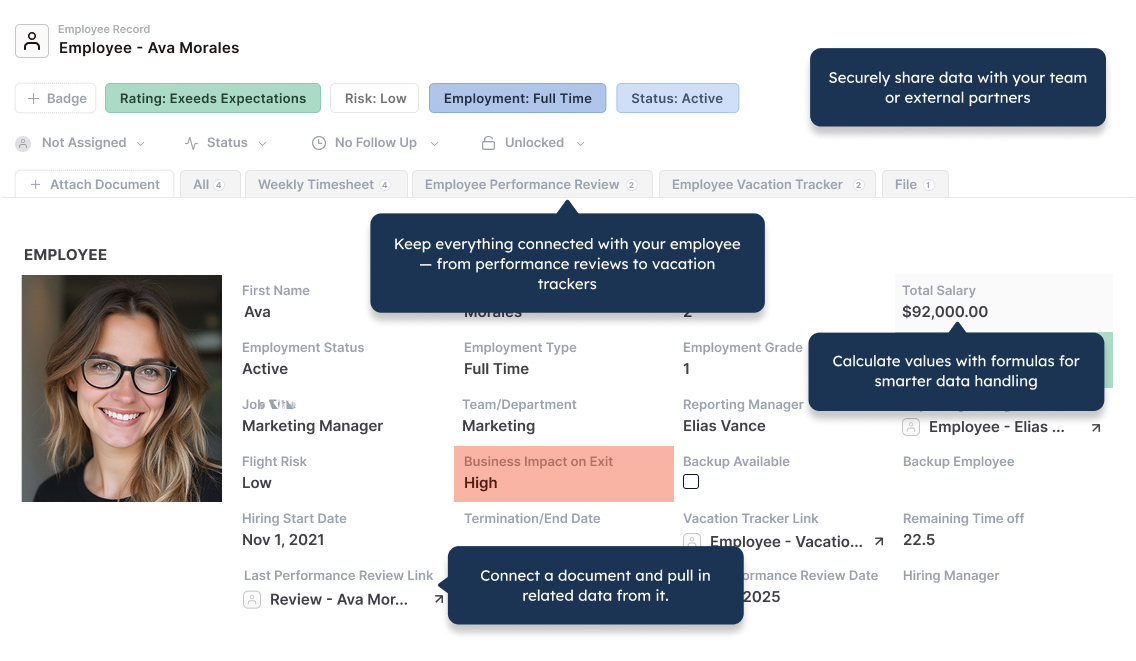
  • HR
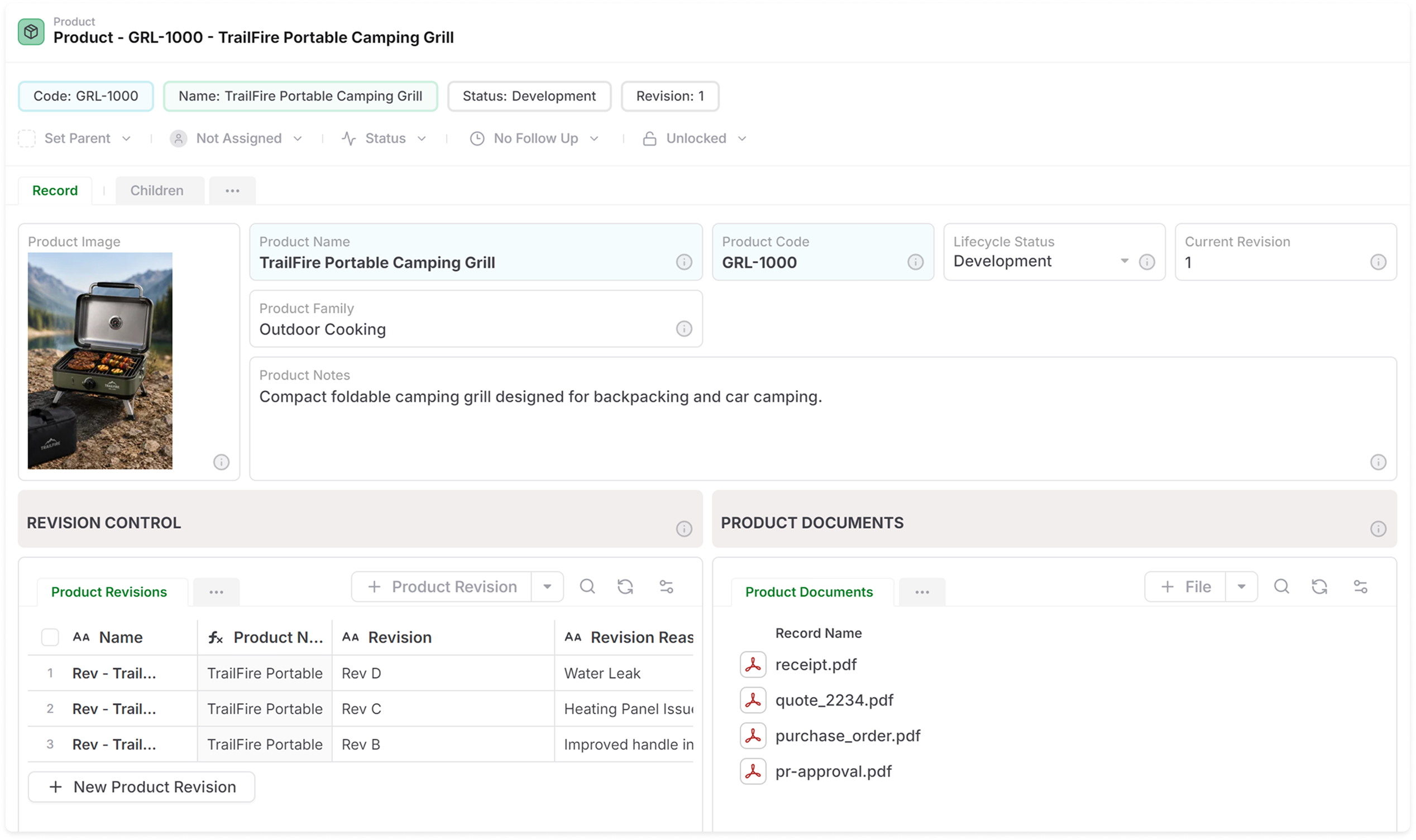
  • Product Lifecycle (PLM)
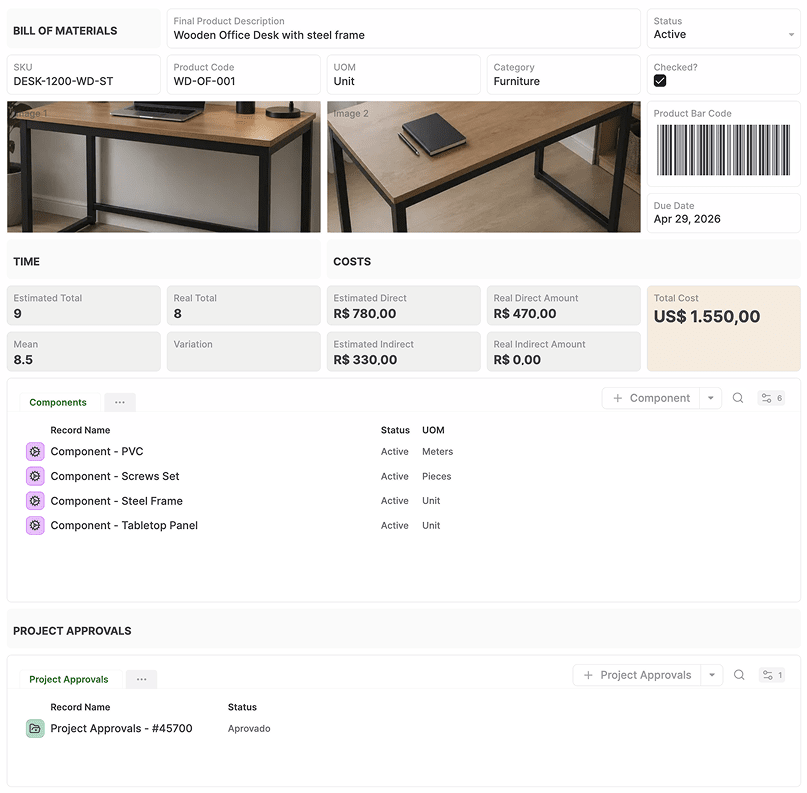
  • Bill of Materials
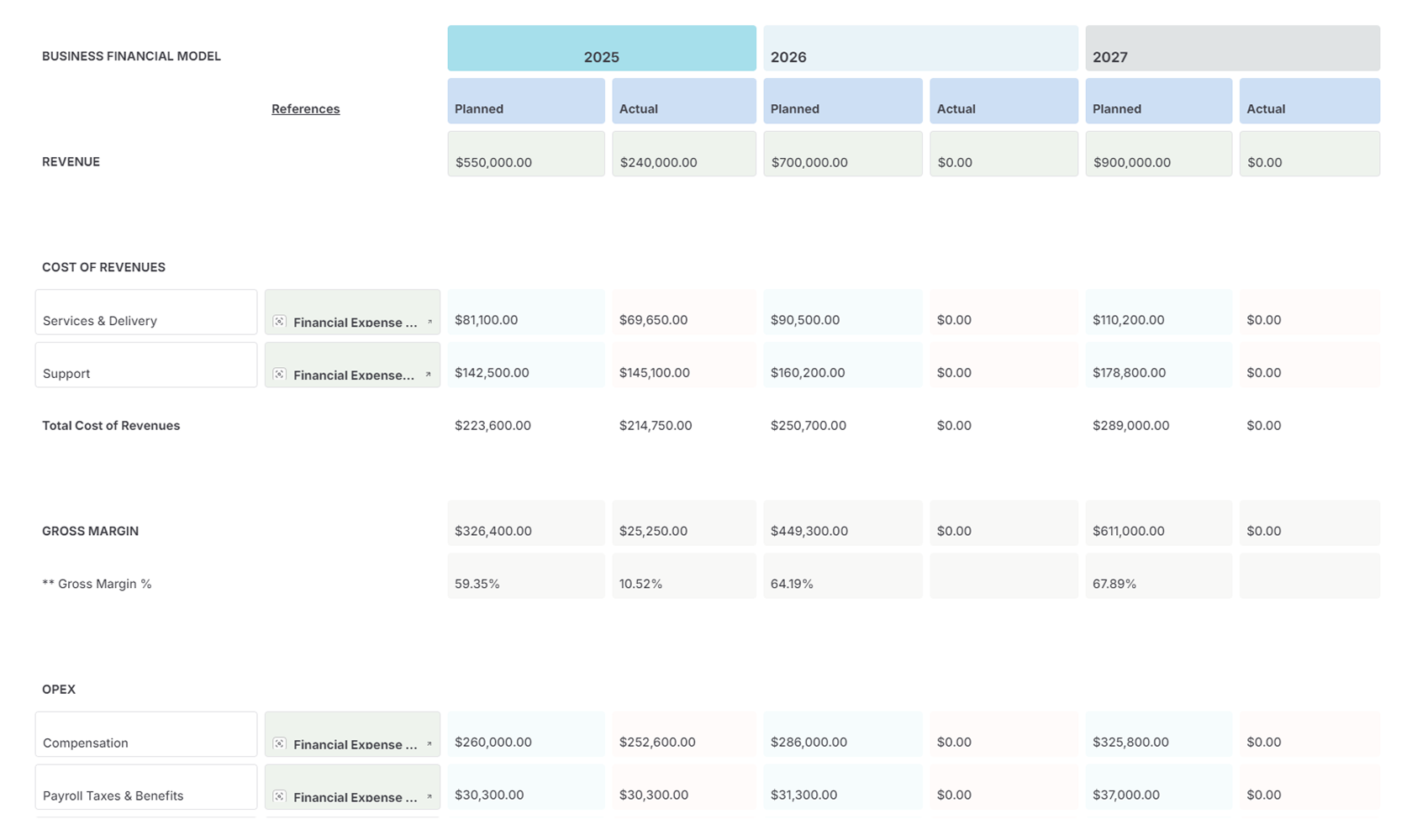
  • Dashboard
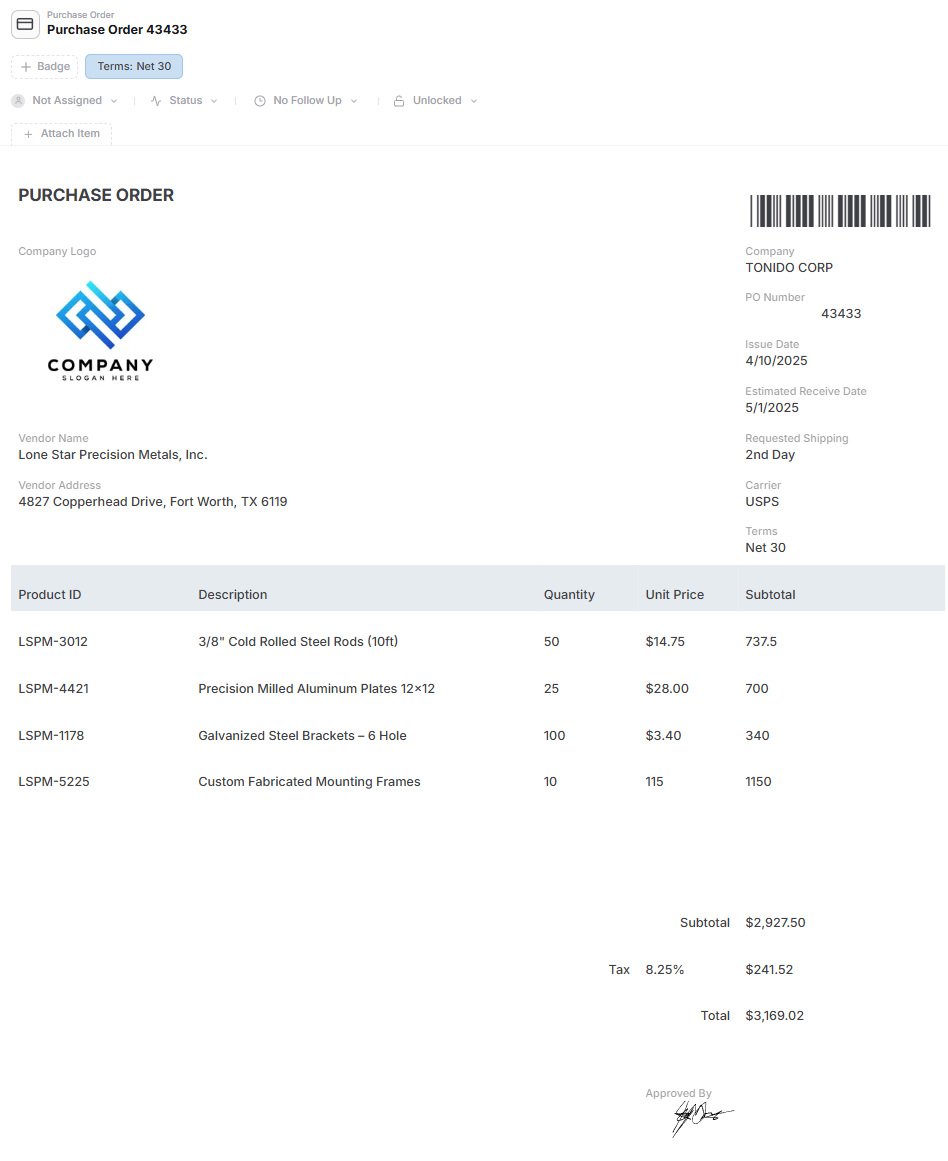
  • Purchase Orders
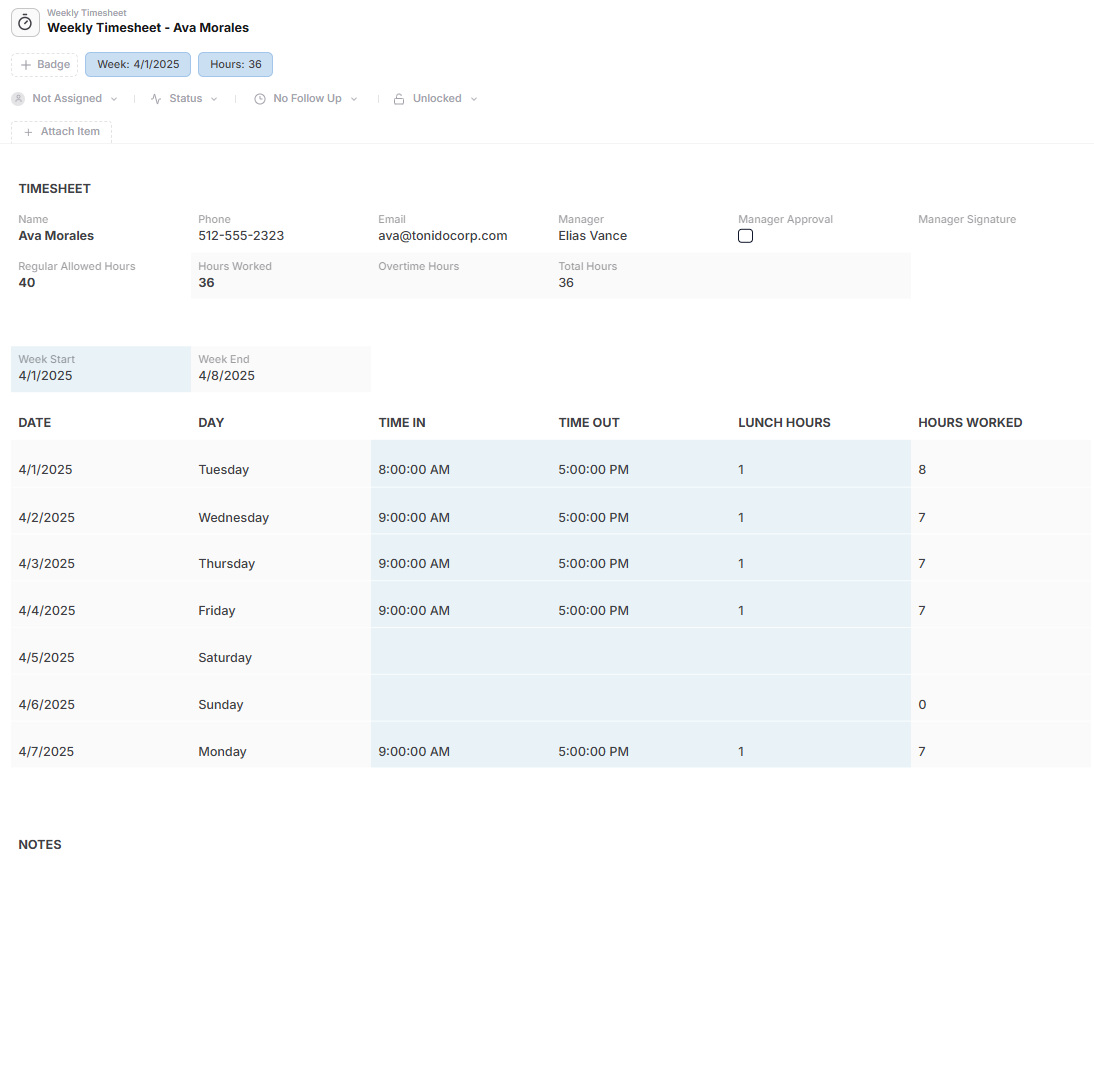
  • Timesheets
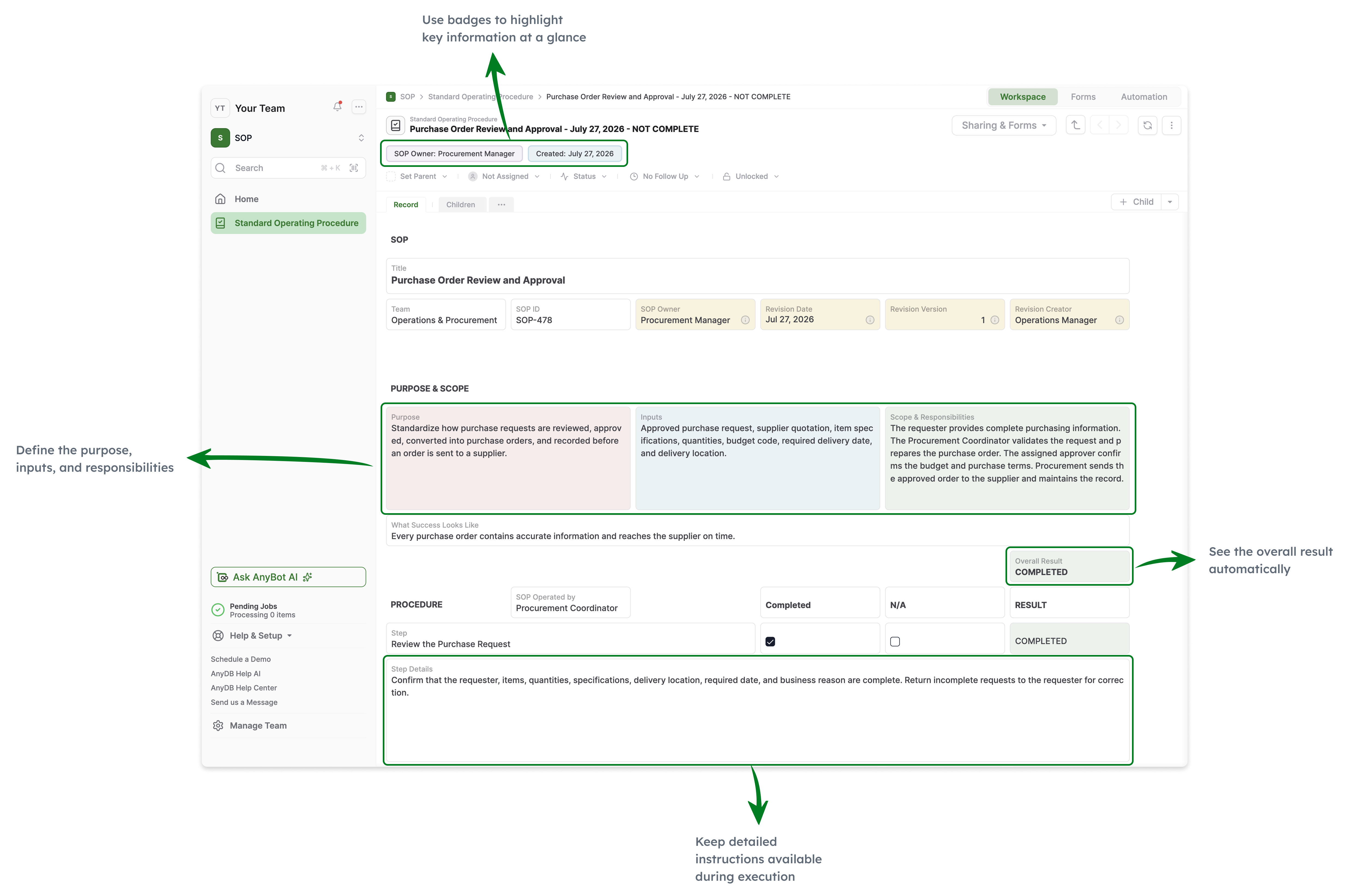
  • SOPs
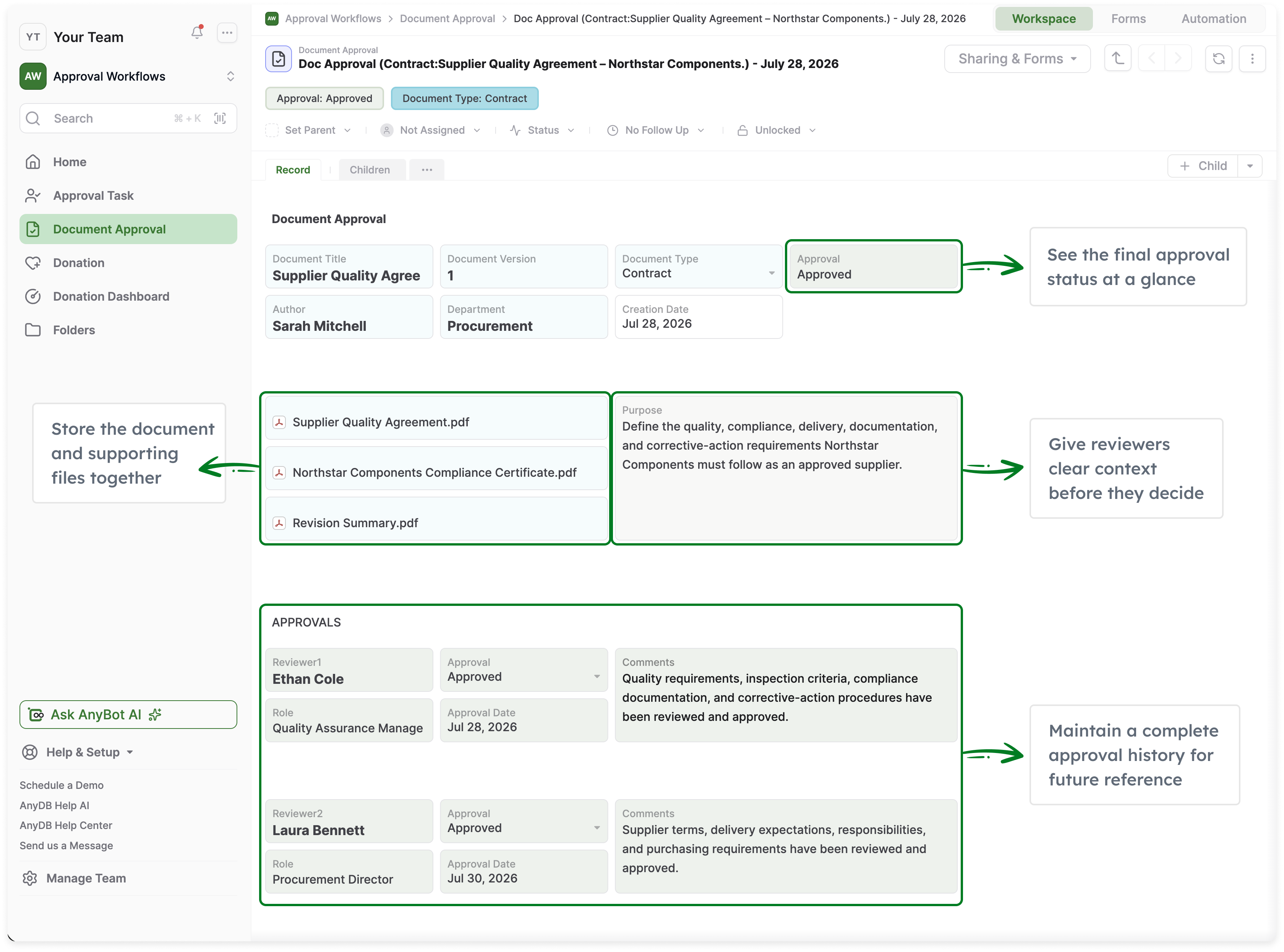
  • Approvals
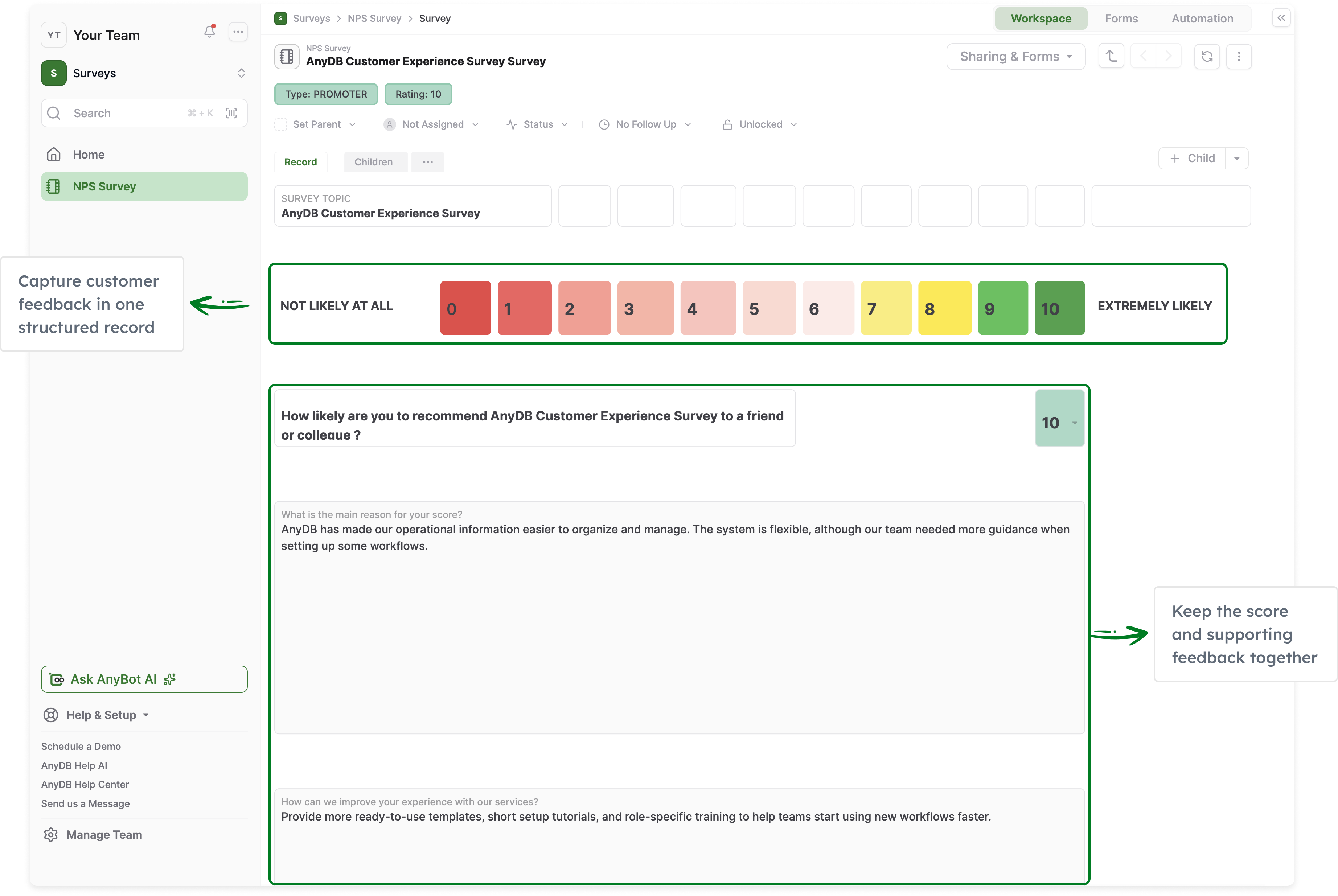
  • Surveys
  • Records to Documents
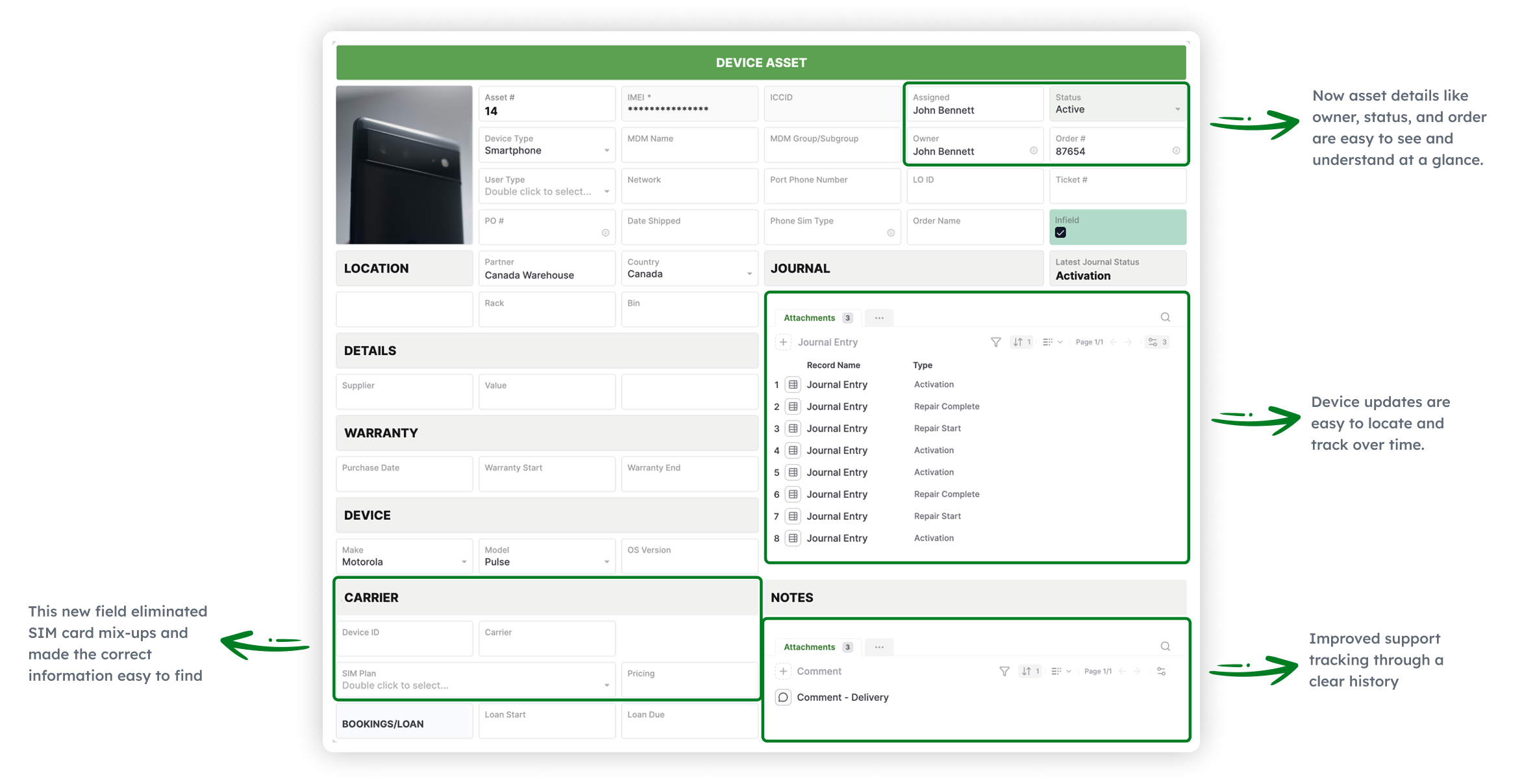
Asset Management
Operations project management in AnyDB
Inventory
Invoices
Employee records in AnyDB
Product LifeCycle Management PLM
Bill of materials in AnyDB
Reporting & Charts in AnyDB
Purchase order management in AnyDB
Timesheet management in AnyDB
Standard Operating Procedures
Approval workflows in AnyDB
NPS survey management in AnyDB
AnyDB Records to Documents

Build Connected Operations Without Assembling a Full Power Platform Stack

Start with one operational problem and expand into a connected system as your business grows.

Get for Free
No credit card needed!

Frequently Asked Questions

How is AnyDB different from Power Apps?

Power Apps is a low-code application development platform for building custom applications across Microsoft services and external data sources. AnyDB starts with connected business operations. Customers model the real things they manage, such as assets, vendors, inventory, projects, orders, inspections, and work orders, then connect those records with workflows, files, permissions, portals, documents, automation, and history.

Is AnyDB a direct replacement for every Power Apps solution?

No. The platforms overlap, but they are designed around different starting points. AnyDB can be a strong fit for applications centered on operational records, approvals, portals, documents, inventory, purchasing, assets, projects, inspections, compliance, and related workflows. Solutions deeply embedded in Microsoft 365, Dataverse, Dynamics 365, Azure, Teams, or specialized Power Platform components should be evaluated individually.

Who is Power Apps best suited for?

Power Apps is especially strong for organizations already standardized on Microsoft 365, Dataverse, Dynamics 365, Azure, Teams, and the wider Power Platform that want to build and govern custom applications inside the same ecosystem.

Who is AnyDB best suited for?

AnyDB is designed for operations leaders, business systems teams, departments, and organizations that need connected systems for inventory, purchasing, assets, maintenance, projects, work orders, approvals, vendors, compliance, documents, portals, and other operational processes.

Can we start with one process and expand later?

Yes. AnyDB is designed so organizations can start with one operational system, such as equipment management, inventory, inspections, procurement, or vendor management, and connect additional business objects and workflows over time.

Does AnyDB provide the same Microsoft integration depth?

No. Power Apps is the stronger choice when deep native integration with Microsoft 365, Dataverse, Dynamics 365, Azure, Teams, and the wider Power Platform is a primary requirement. AnyDB connects with external systems through APIs, webhooks, automations, and custom scripts.

Does AnyDB support workflows and integrations?

Yes. AnyDB supports workflows, conditions, approvals, automations, assignments, notifications, APIs, webhooks, and custom scripts. These capabilities operate around the same connected operational records.

How are external portals different?

Microsoft provides external website and portal experiences through Power Pages, which has its own licensing and capacity model. AnyDB includes portals directly within the operational platform and supports unlimited guest users.

Can AnyDB generate documents from records?

Yes. AnyDB can generate PDFs, Word documents, spreadsheets, reports, invoices, purchase orders, certificates, and other business documents directly from live record data.

Does AnyDB support permissions and version history?

Yes. AnyDB supports permissions across teams, workspaces, records, and fields. Record version history preserves changes over time and provides a traceable history of operational information.

Does AnyDB provide the same application lifecycle management as Power Platform?

Microsoft Power Platform provides mature application lifecycle management using environments, Dataverse solutions, pipelines, source control, deployment tooling, and enterprise governance. AnyDB is focused on a simpler configuration model for operational systems while maintaining permissions, record history, and operational governance. Organizations requiring advanced software delivery pipelines should evaluate those requirements carefully.

Can AnyDB run in our own environment?

Yes. AnyDB is available through cloud, private cloud, and self-hosted deployment options. The appropriate model depends on your security, infrastructure, integration, and administration requirements.

Can AnyDB help us migrate an existing operational application?

Yes. Share your current Power Apps applications, Dataverse tables, Power Automate flows, connectors, exports, documentation, and workflows. The AnyDB team can help map the records, relationships, permissions, automations, documents, and migration stages needed to create the first working system in AnyDB.