Frequently Asked Questions
How is AnyDB different from Pega?
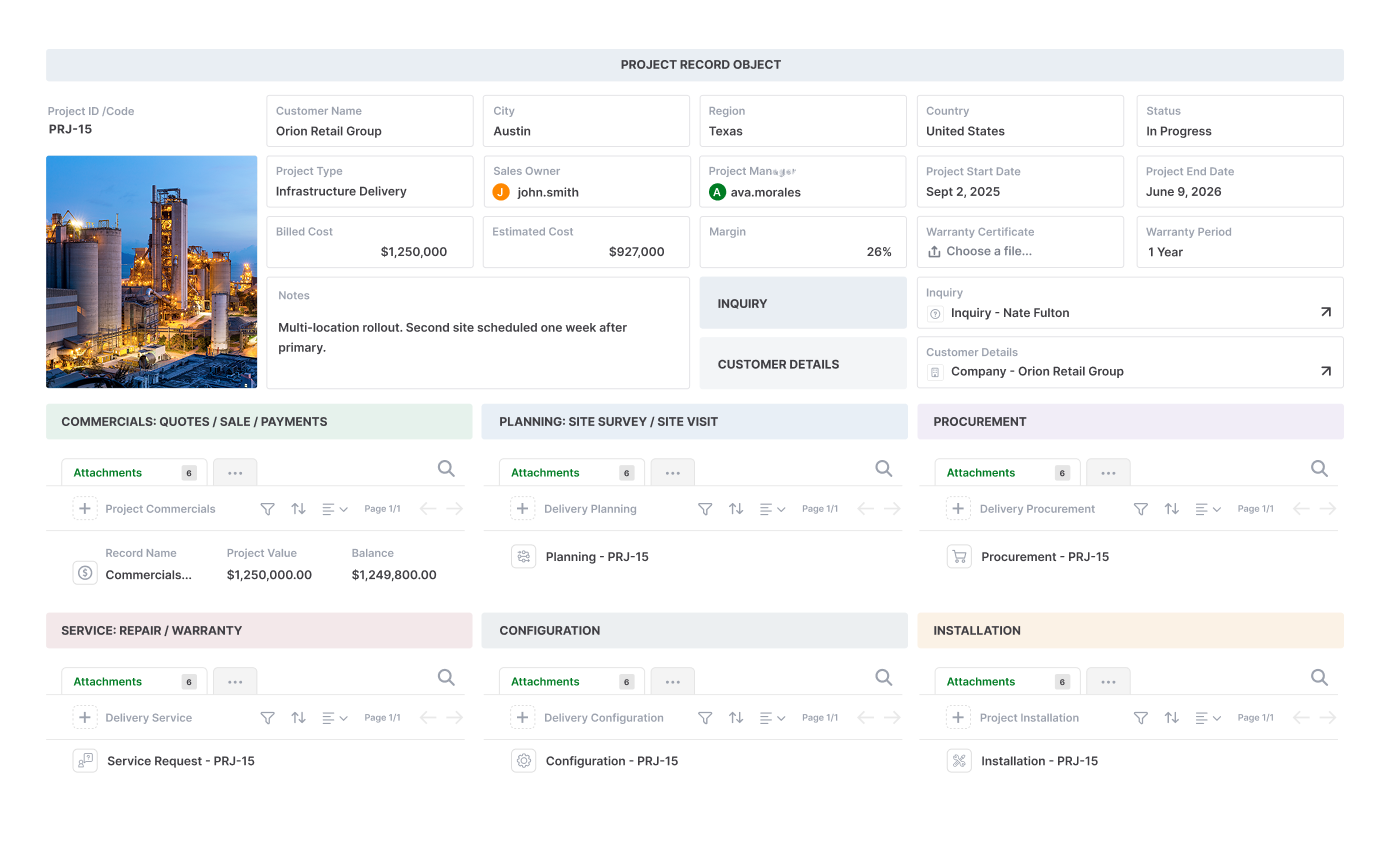
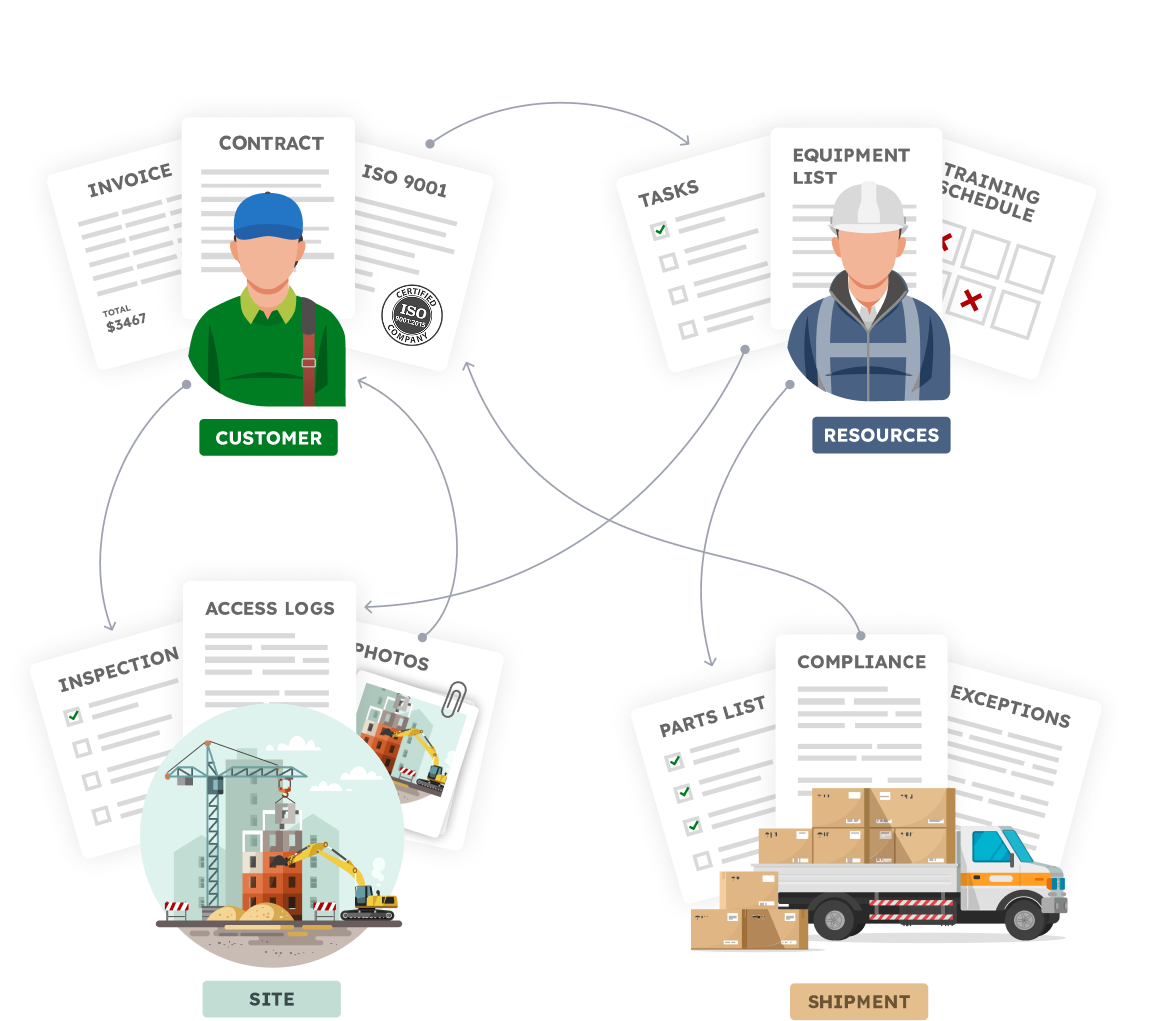
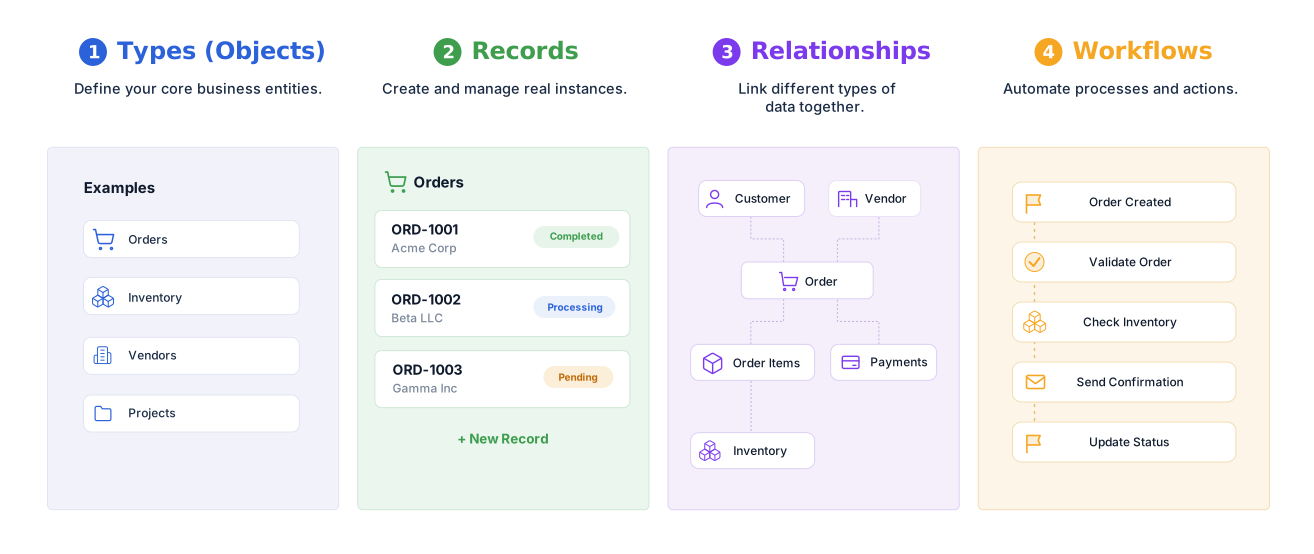
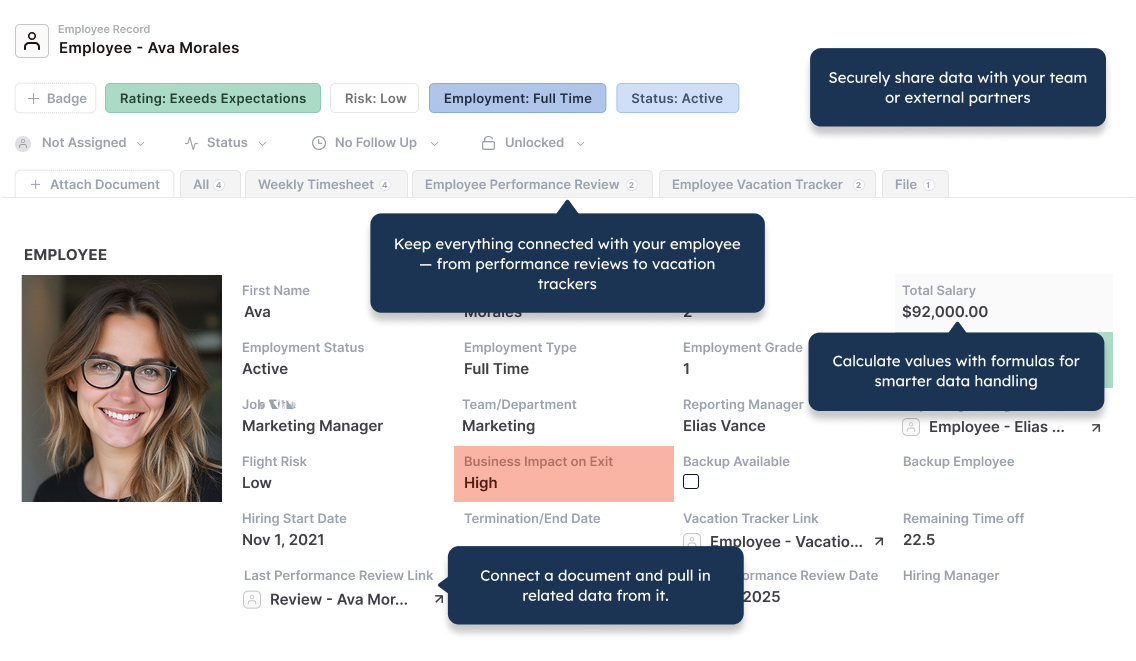
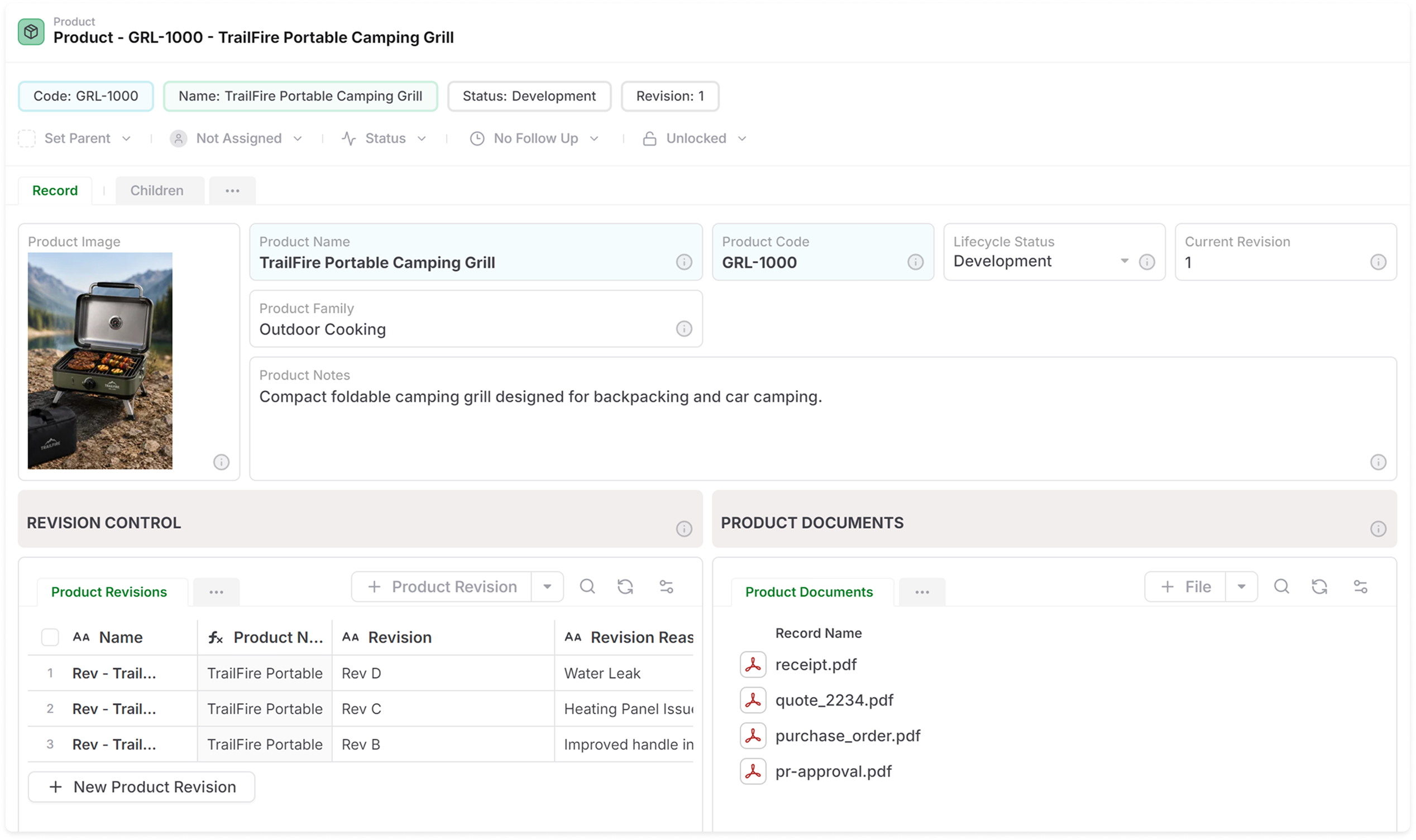
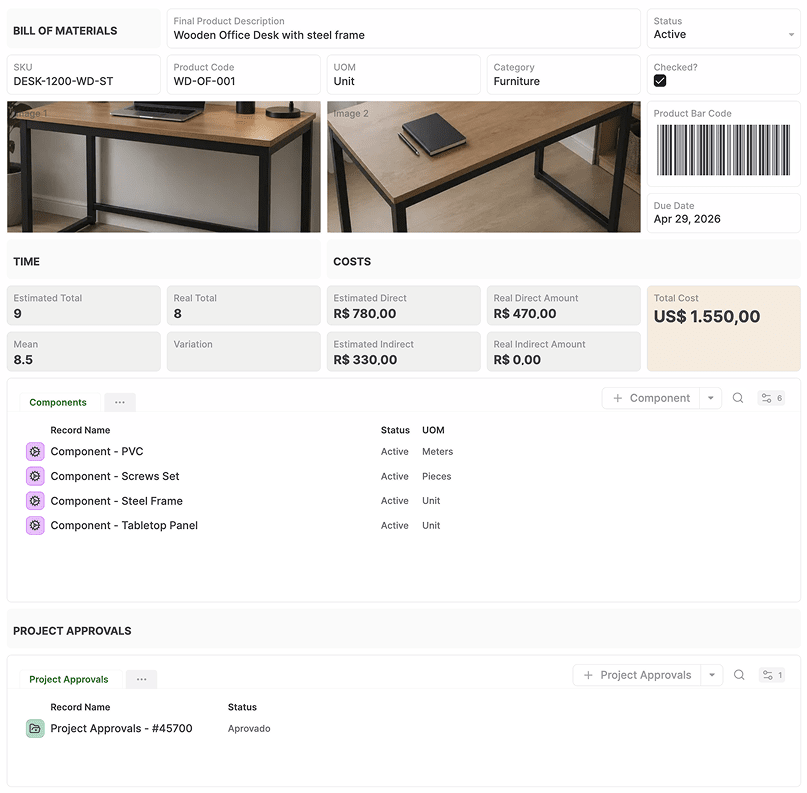
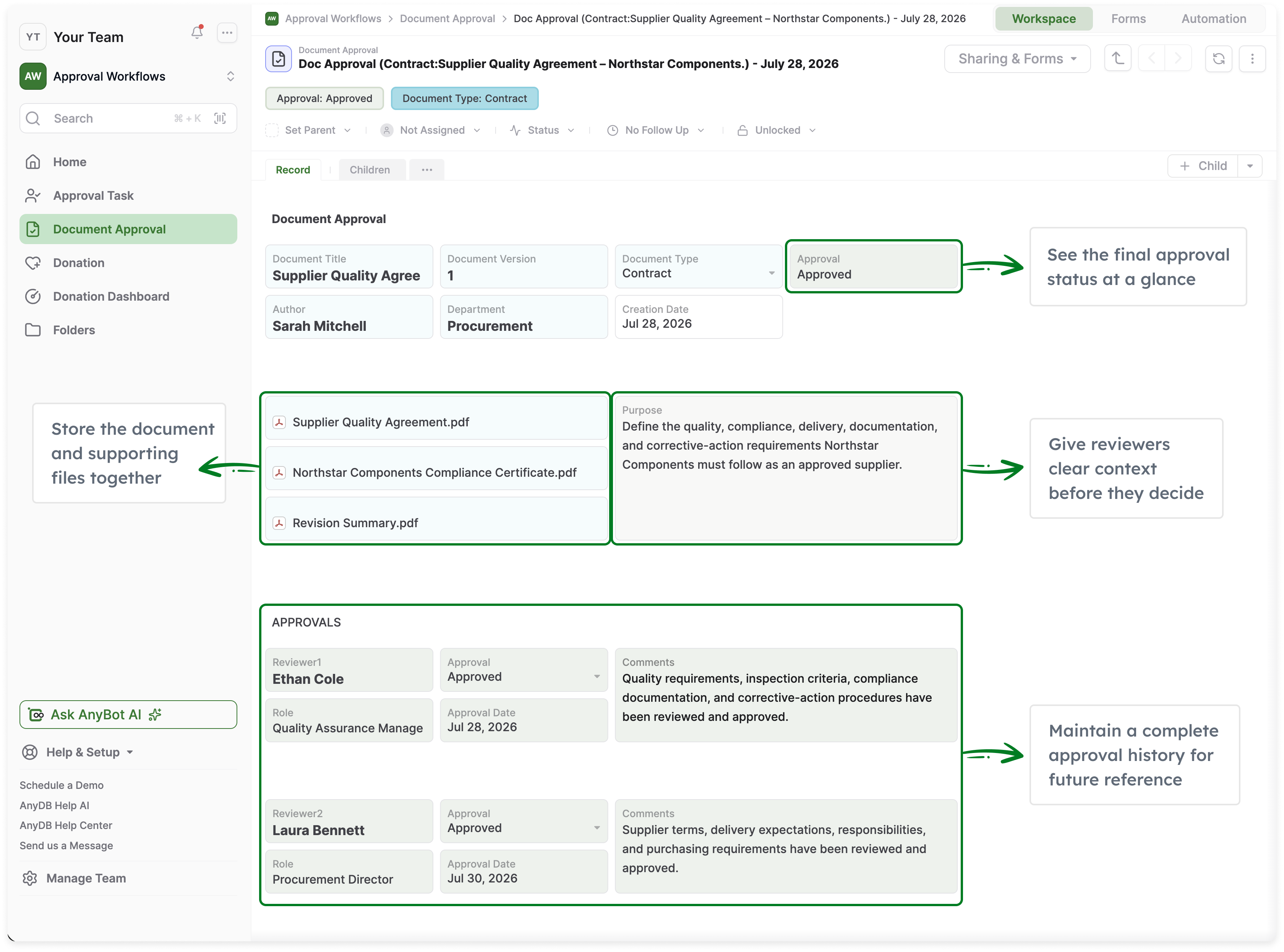
Pega is an enterprise platform for orchestrating mission-critical workflows, cases, decisions, customer interactions, and AI at scale. AnyDB starts with connected business operations. Customers model the real things they manage, such as assets, vendors, inventory, projects, orders, inspections, and work orders, then connect those records with workflows, files, permissions, portals, documents, automation, and history.
Is AnyDB a direct replacement for every Pega application?
No. The platforms overlap, but they are designed around different starting points. AnyDB can be a strong fit for applications centered on operational records, approvals, portals, documents, inventory, purchasing, assets, projects, inspections, compliance, and related workflows. Applications that depend heavily on advanced case management, high-volume real-time decisioning, process mining, robotic automation, or enterprise-wide orchestration should be evaluated individually.
Who is Pega best suited for?
Pega is designed for large enterprises and government organizations running complex, high-volume, regulated, or mission-critical work. It is especially strong where dynamic case management, sophisticated business rules, AI-powered decisioning, process intelligence, enterprise integrations, and governed application delivery are major requirements.
Who is AnyDB best suited for?
AnyDB is designed for operations leaders, business systems teams, departments, and organizations that need connected systems for inventory, purchasing, assets, maintenance, projects, work orders, approvals, vendors, compliance, documents, portals, and other operational processes.
Can we start with one process and expand later?
Yes. AnyDB is designed so organizations can start with one operational system, such as equipment management, inventory, inspections, procurement, or vendor management, and connect additional business objects and workflows over time.
Does AnyDB provide Pega-level real-time decisioning?
No. Pega provides advanced AI-powered decisioning designed for high-volume, real-time decisions and next-best-action use cases. AnyDB supports operational conditions, formulas, workflows, automations, and AI-assisted actions around connected business records.
Does AnyDB provide the same case management depth as Pega?
No. Pega provides deeper enterprise case management for complex, dynamic work involving stages, exceptions, SLAs, rules, decisions, and large-scale orchestration. AnyDB is focused on operational records, tasks, approvals, files, workflows, portals, documents, and history that teams can configure and evolve more directly.
Does AnyDB support workflows and integrations?
Yes. AnyDB supports workflows, conditions, approvals, automations, assignments, notifications, APIs, webhooks, and custom scripts. These capabilities operate around the same connected operational records.
Can external users access AnyDB?
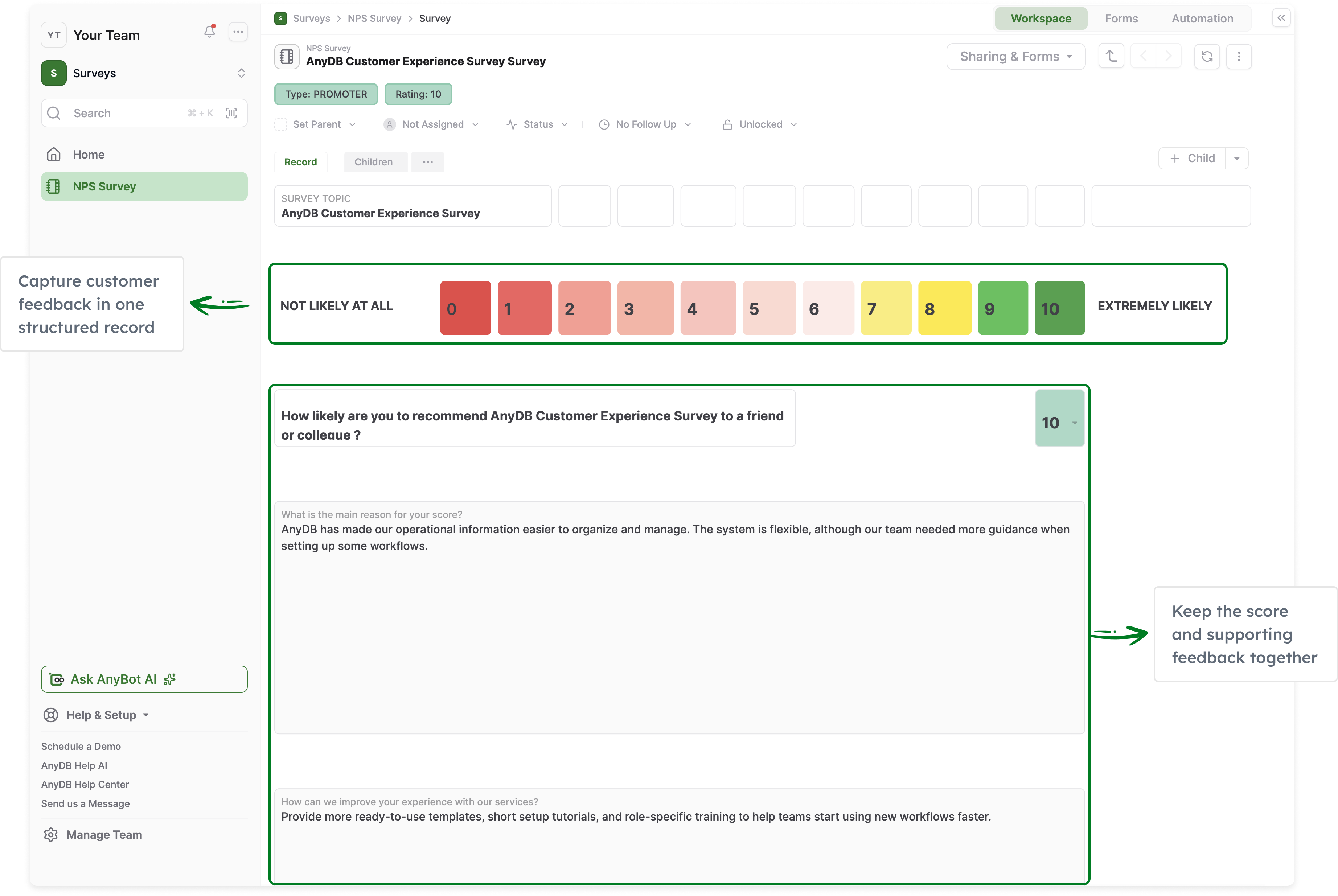
Yes. AnyDB includes secure portals for customers, vendors, partners, contractors, and other external users. Access can be controlled around the records, files, forms, and actions relevant to each user. Guest portal users are unlimited.
Can AnyDB generate documents from records?
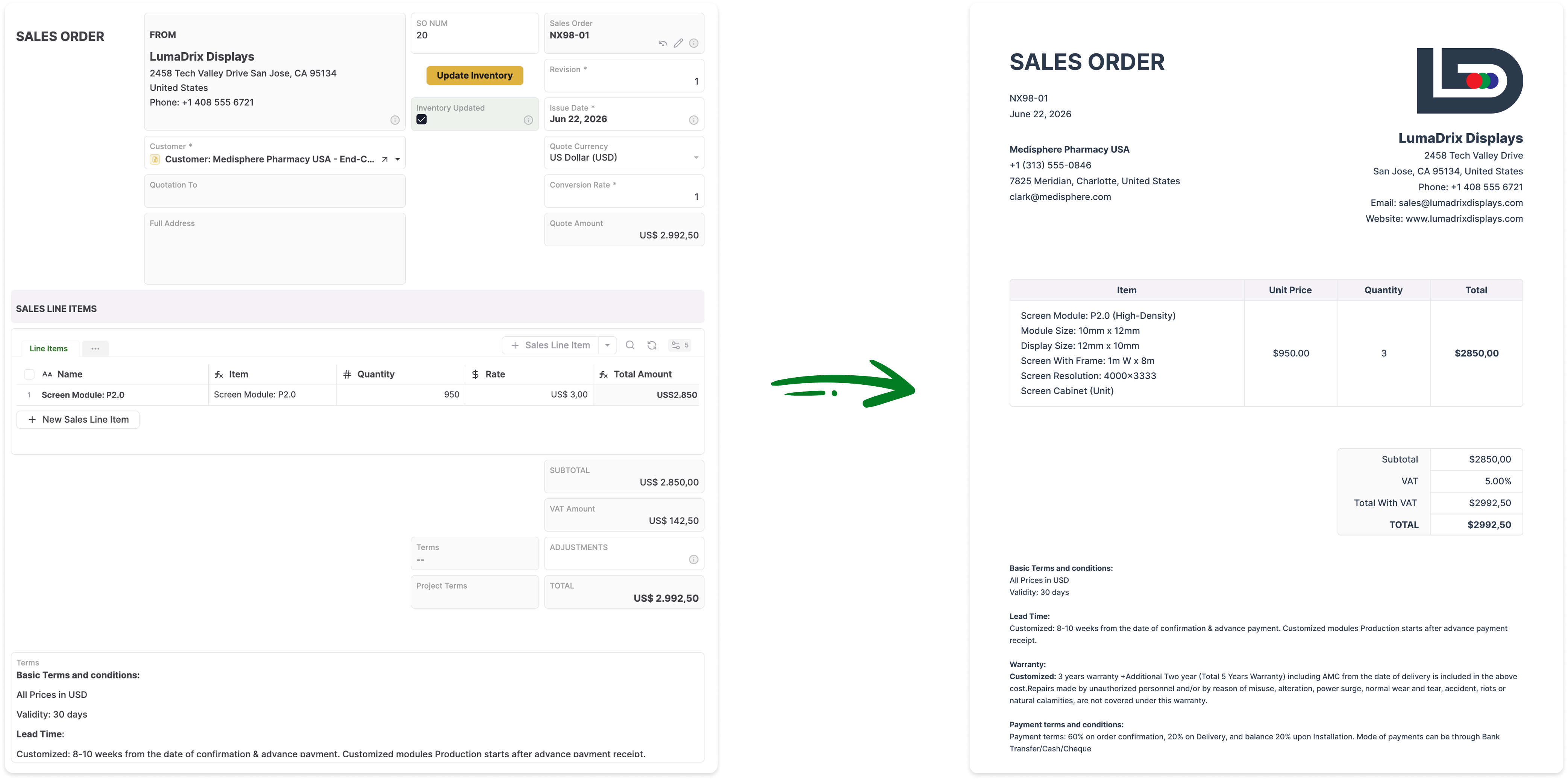
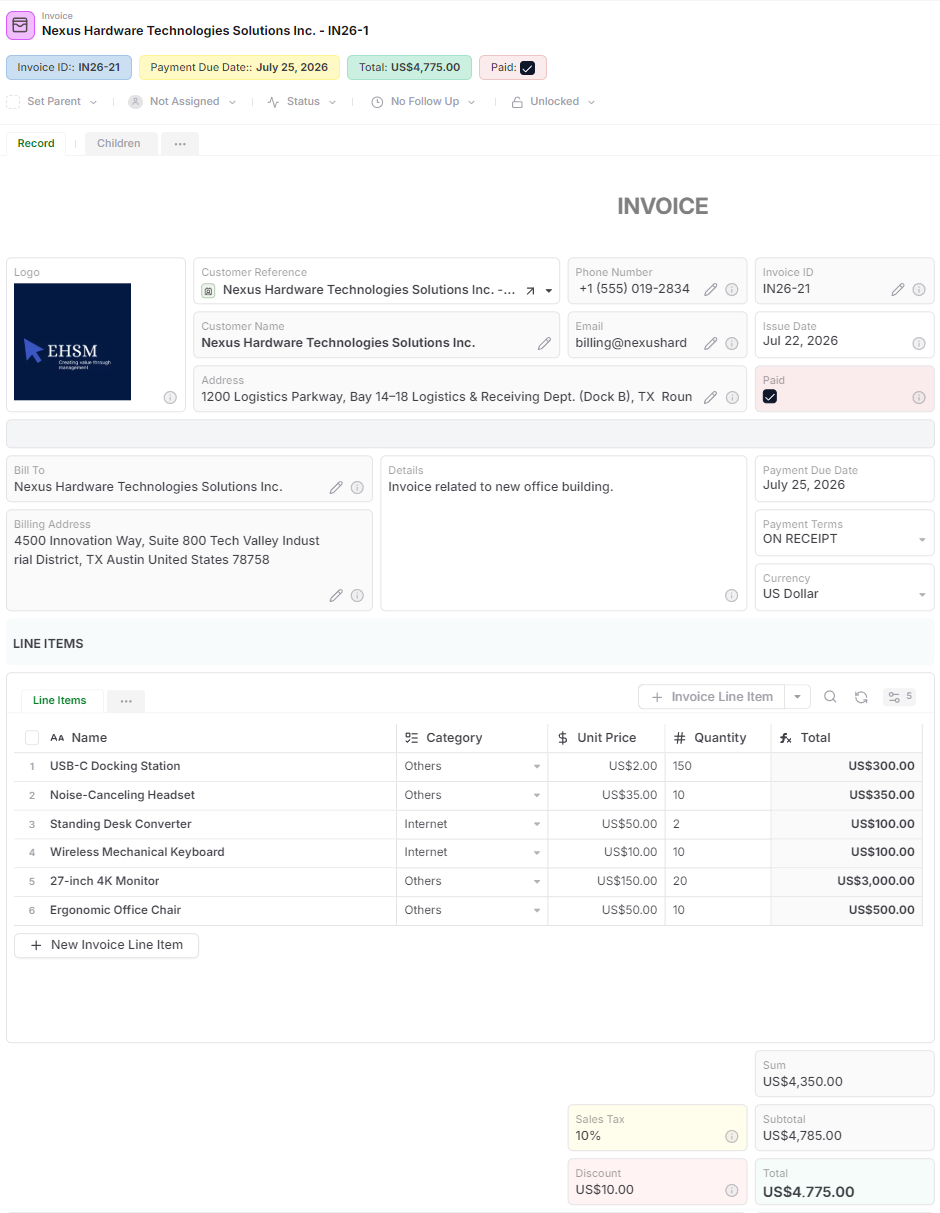
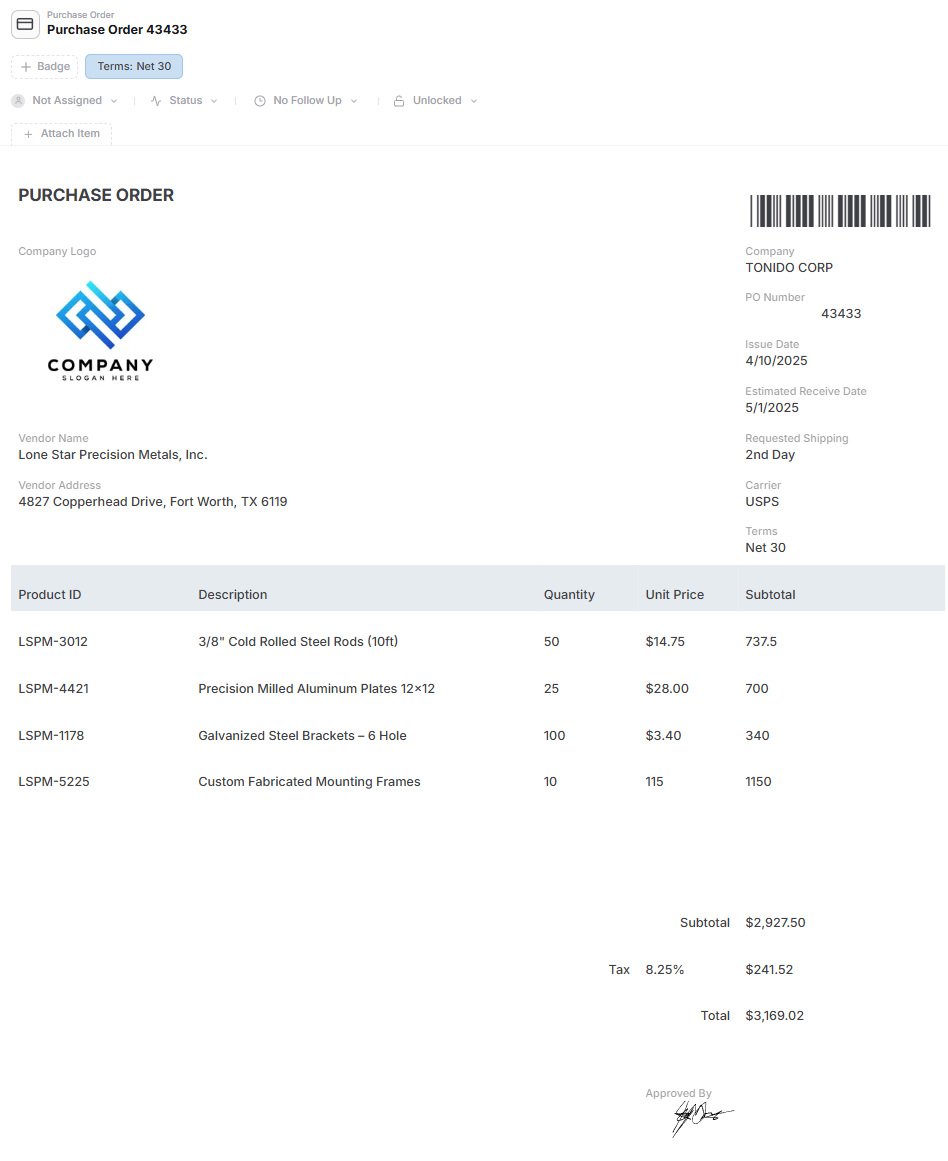
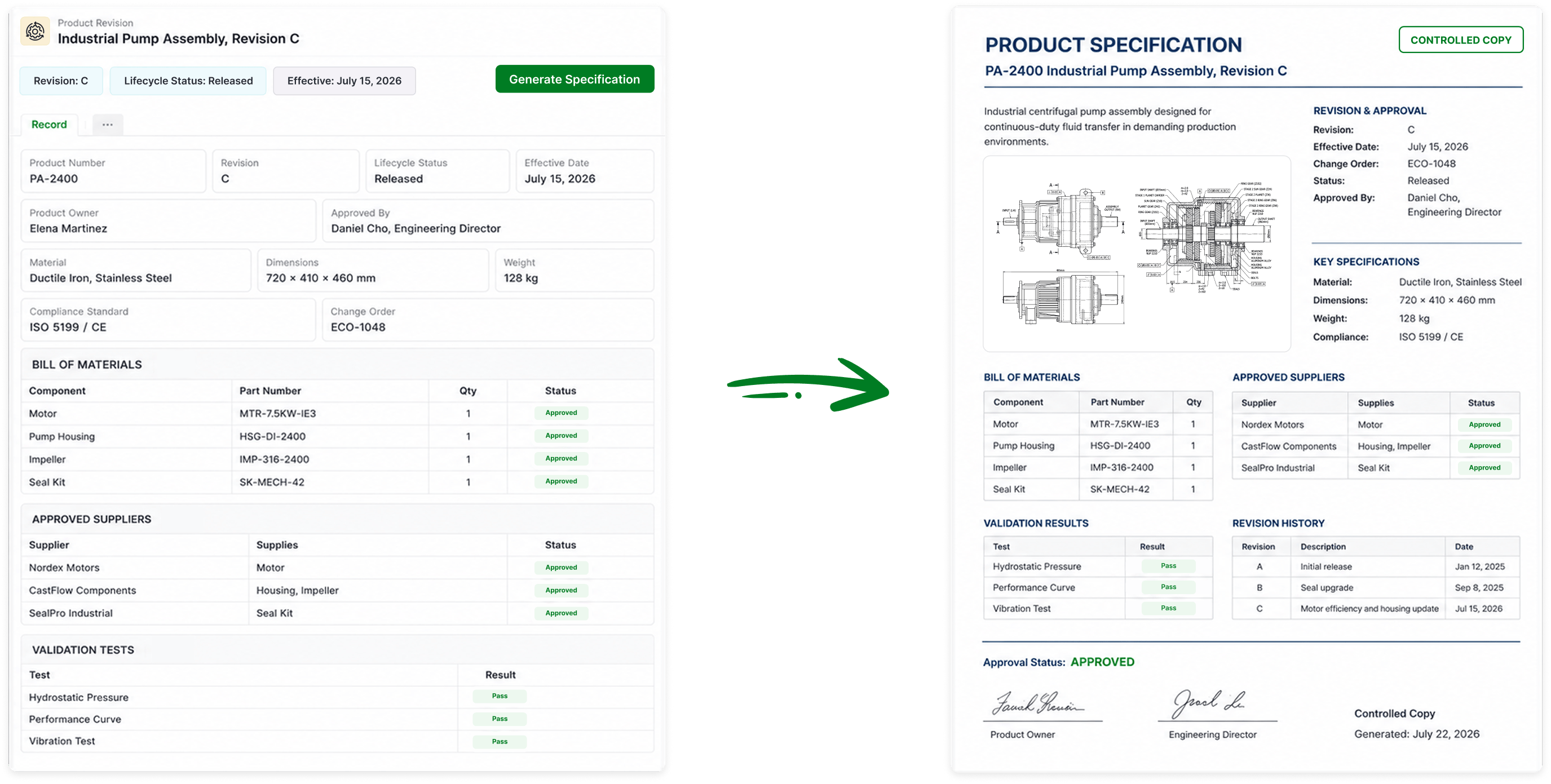
Yes. AnyDB can generate PDFs, Word documents, spreadsheets, reports, invoices, purchase orders, certificates, and other business documents directly from live record data.
Does AnyDB support permissions and version history?
Yes. AnyDB supports permissions across teams, workspaces, records, and fields. Record version history preserves changes over time and provides a traceable history of operational information.
Does AnyDB provide the same application lifecycle management as Pega?
Pega provides mature enterprise DevOps, deployment, application governance, guardrails, and release-management capabilities. AnyDB is focused on a simpler configuration model for operational systems while maintaining permissions, record history, and operational governance. Organizations requiring advanced development pipelines and enterprise release controls should evaluate those requirements carefully.
Can AnyDB run in our own environment?
Yes. AnyDB is available through cloud, private cloud, and self-hosted deployment options. The appropriate model depends on your security, infrastructure, integration, and administration requirements.
Can AnyDB help us migrate an existing operational application?
Yes. Share your existing application structure, case types, data objects, rules, integrations, exports, and workflows. The AnyDB team can help map the records, relationships, permissions, automations, documents, and migration stages needed to create the first working system in AnyDB.