
Published on June 13, 2026


A workflow management system usually becomes a priority long after the workflow itself already exists.
Most organizations have established ways of getting work done, but those processes often live in conversations, habits, and institutional knowledge rather than in a system everyone can follow.
The challenge is that workflows rarely stay within a single team.
As organizations grow, work crosses departments and locations, making it harder to understand what is moving forward, what is waiting for action, and where bottlenecks have formed.
In this piece, you’ll learn why workflows become more difficult to manage at scale and which capabilities matter most when evaluating workflow management software.
Workflow Rarely Breaks Where You Expect
When a workflow slows down, the first instinct is often look at the people involved.
Was someone late responding? Did a task get missed? Was an approval forgotten?
In reality, most issues have less to do with effort and more to do with context. Work continues moving, but the information surrounding that work becomes fragmented.
Every workflow depends on three elements working together: process, information, and ownershi
| Workflow Element | What Happens When it Breaks |
| Process | Steps become inconsistent and harder to follow. |
| Information | Teams work from outdated or incomplete data. |
| Ownership | Accountability becomes unclear and decisions stall. |
When even one of these areas loses alignment, operational friction starts to build.
Teams spend time chasing updates instead of completing work. Information gets entered multiple times across different systems.
People create workarounds to fill visibility gaps, and those become part of the process itself.
Sound familiar?
These are often the same challenges that appear in growing organizations:
- manual handoffs between teams
- duplicate data entry
- disconnected tools
- limited visibility
- collaboration gaps with vendors, customers, or contractors
When these bottlenecks occur, most businesses believe they have a workflow problem.
Actually, what they have is a visibility problem.
The workflow already exists and people know what needs to happen. What becomes difficult is understanding where work currently sits, who owns the next step, and whether anything is blocking progress.
You may also like: Compliance Management System: How To Track Requirements, Audits, And Approvals
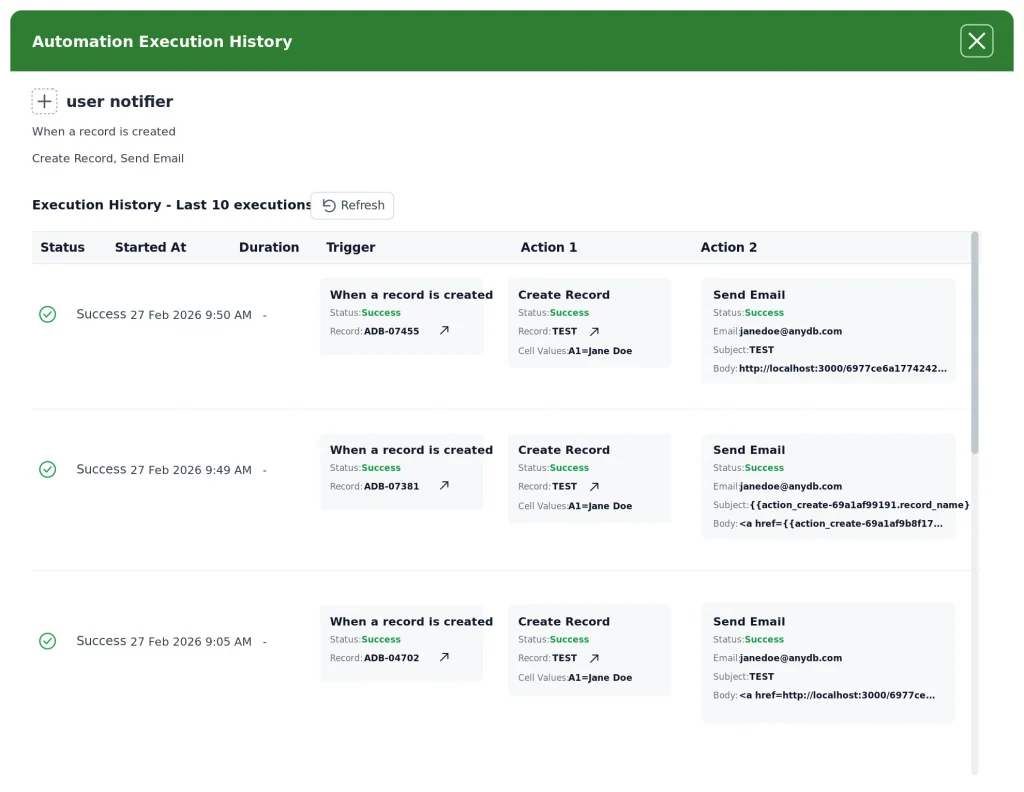
What Makes a Workflow Management System Actually Useful?
When evaluating a workflow management system, look for a platform that goes beyond simple task automation.
To truly connect processes, information, and ownership, businesses are moving toward custom operational systems that adapt to their unique logic.
When work moves from one person to another, does information move with it?
That question often reveals more than any feature list ever could.
Many workflow platforms are excellent at assigning tasks, sending notifications, or updating statuses. The real test comes later, when a workflow spans multiple teams, involves external partners, and generates information that needs to remain connected throughout the process.
Connected Records, Not Isolated Tasks
Every workflow creates relationships between people, decisions, documents, and business data.
A useful workflow management system keeps those relationships connected. Instead of forcing users to jump between separate applications to find context, it creates a single view where records remain linked throughout the entire process.
Flexible Workflow Design
No two organizations operate exactly alike, which is why rigid workflow templates often struggle to survive real-world adoption.
The most effective workflow management software adapts to these requirements rather than forcing teams to redesign their operations around software limitations.
A true custom operational system is highly customizable to match real-world operations.
Internal and External Collaboration
Workflows rarely stop at the edge of the organization. Vendors, customers, contractors, suppliers, inspectors, and partners frequently play an important role in moving work forward.
This is where many systems begin to show cracks. Internal workflows live in one platform while external collaboration happens somewhere else, creating unnecessary complexity and duplicate effort.
A stronger approach allows everyone to participate in the same process while maintaining appropriate access controls and data security.
Visibility and Accountability
Managers should not need a meeting, three emails, and a Slack message to answer a simple operational question.
They should be able to see what is waiting for review, what is overdue, what is blocked, and who owns the next step.
When visibility improves, decision making becomes faster and teams spend less time chasing updates.
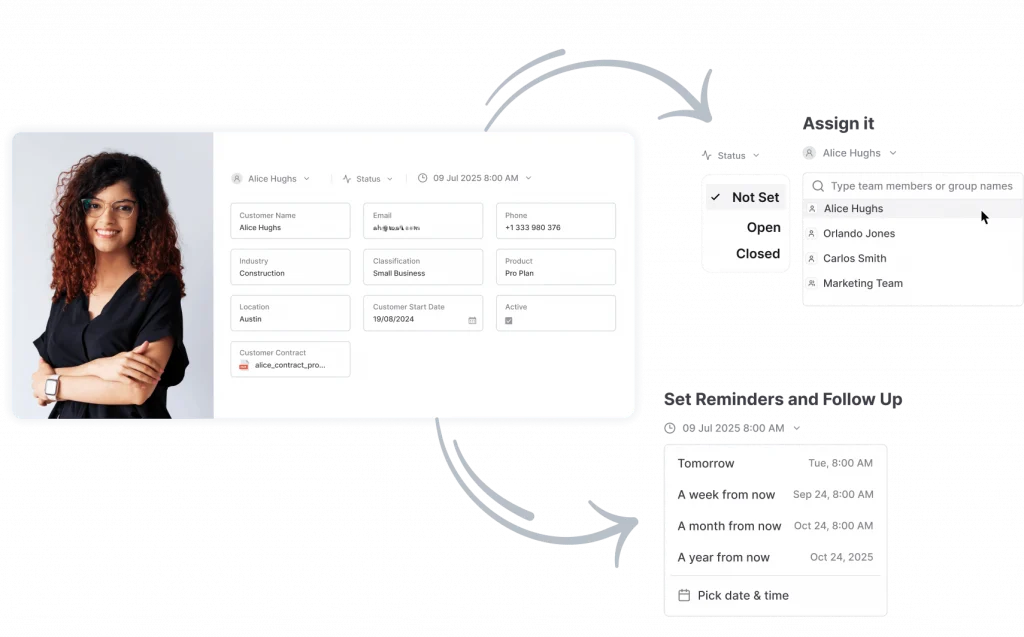
Traceability and Audit History
Every workflow tells a story. The ability to understand who made a change, when it happened, what was approved, and why a decision was made becomes increasingly valuable as operations grow.
Whether the goal is compliance, customer service, vendor management, or internal governance, complete audit history provides the accountability that spreadsheets and disconnected tools often struggle to deliver.
One interesting insight appears again and again in workflow software reviews and community discussions: creating a workflow not the difficult part. Maintaining it is.
Systems that are too rigid eventually become obstacles, while systems that are too loose can create confusion of their own.
The most successful platforms strike a balance between structure and flexibility.
That is where modern workflow management is heading and where AnyDB takes a fundamentally different approach.
AnyDB: From Workflow Management to a Custom Operational System
AnyDB differentiates itself from traditional ERPs, heavy CRMs, and basic no-code platforms by combining the robust structure of an ERP with the flexibility of modern tools.
Instead of treating workflows and data as separate entities, it solves real operational problems by connecting them through object-based records.
This means teams are not simply tracking tasks. They are working directly from the records that drive daily operations, with every update, approval, file, comment, and activity connected in one place.
| Processes That Match Real Operations |
| With AnyDB, organizations can build workflows around the processes they already use, whether that involves customer onboarding, vendor management, or project delivery. The workflow follows the business process, allowing teams to preserve the operational logic that already works while creating greater consistency and visibility. As operations evolve, workflows can evolve with them. |
| Secure Collaboration Beyond Internal Teams |
| AnyDB offers secure portals that allow customers, vendors, contractors, inspectors, and partners to collaborate within workflows. External users can submit updates, upload files, and track progress while organizations maintain full control over permissions and visibility. The result is a more connected experience for everyone involved, without creating duplicate systems or additional administrative work. |
| Operational Visibility in Real-Time |
| As every step of the workflow is connected to the same object-based record, managers, contractors, and stakeholders are always working from the same information. Instead of spending time asking for updates, teams can focus on moving work forward. Managers gain real-time visibility into workflow progress, pending approvals, open tasks, project status, vendor activity, customer requests, and operational bottlenecks from a single platform. |
This is how AnyDB is different from traditional workflow management software.
It hubs and connects workflows to the people, records, and operational data that make those workflows meaningful in the first place.
Build Workflows That Move Operations Forward
A workflow management system should do more than move tasks between people. It should connect the process, the information behind it, and the people responsible for moving it forward.
As you evaluate workflow management software for your organization, look beyond automation alone.
For businesses that have outgrown disconnected tools and rigid platforms, AnyDB operates as a custom operational system, giving you real-time visibility and control over your operations.
Schedule a free call with the AnyDB team to see how a Custom Operational System can support your unique business processes.
Frequently Asked Questions About Workflow Management Systems
Choosing a workflow management system involves more than comparing automation features. Here are some of the most common questions businesses ask before selecting a platform.
What Is a Workflow Management System?
A workflow management system is software that helps organizations design, manage, and optimize business processes. It coordinates tasks, approvals, information, and collaboration so work moves consistently from start to finish while providing visibility into every stage.
What Is the Difference Between Workflow Management and Project Management?
Workflow management focuses on how work flows through repeatable business processes, such as approvals, service requests, or procurement. Project management, on the other hand, focuses on planning and delivering a specific initiative with defined goals, timelines, and resources. Many organizations use both together.
What Features Should a Workflow Management System Have?
A modern workflow management system should include connected records, workflow automation, role-based permissions, audit history, reporting, and real-time visibility.

The End-to-End Operations System that Finally Fits Your Reality.
No more scattered spreadsheets or rigid, disconnected tools.
AnyDB is a modern, customizable platform for managing business records and operations across teams, clients, and partners.
Learn More


Phone: (512)-761-7979
© 2024 Humanly Inc. All rights reserved.
What is AnyDB?
AnyDB is a unified, customizable data store designed to streamline and empower your entire organization. Effortlessly store, organize, and share custom business data to drive both internal and external operations across teams. Think of it as spreadsheets on steroids.Perfect for Sales, Marketing, Operations, HR, and beyond. Discover AnyDB