
Published on November 14, 2025


Companies that work with vendors know that bringing new partners on board is not always straightforward. Between forms, emails, document verification, and compliance checks, supplier onboarding can be slow, fragmented, and prone to errors.
A defined structure paired with automation tools turns this process into a streamlined and fully auditable operation, reducing risk and enhancing collaboration between internal teams and external partners.
Learn why supplier onboarding matters for company compliance and how to implement it efficiently!
What Is Supplier Onboarding?
Supplier onboarding is the process of registering, validating, and enabling new vendors so they can operate within a company’s policies and systems. Key steps include:
- Collecting supplier information;
- Verifying qualifications;
- Conducting legal and financial compliance checks;
- Internal approvals by procurement, finance, and compliance teams.
In short, it’s the stage where a company initiates a relationship with a new vendor, ensuring all information and documents are accurate, up-to-date, and compliant with regulatory requirements.
It is a bit different from vendor management: onboarding marks the start of the partnership, whereas vendor management involves the ongoing oversight of performance, payments, and contracts.
Why Supplier Onboarding is Important?
A well-structured supplier onboarding process lays the foundation for compliance, security, and operational efficiency. We’ll show you why:
Compliance and Audit Readiness
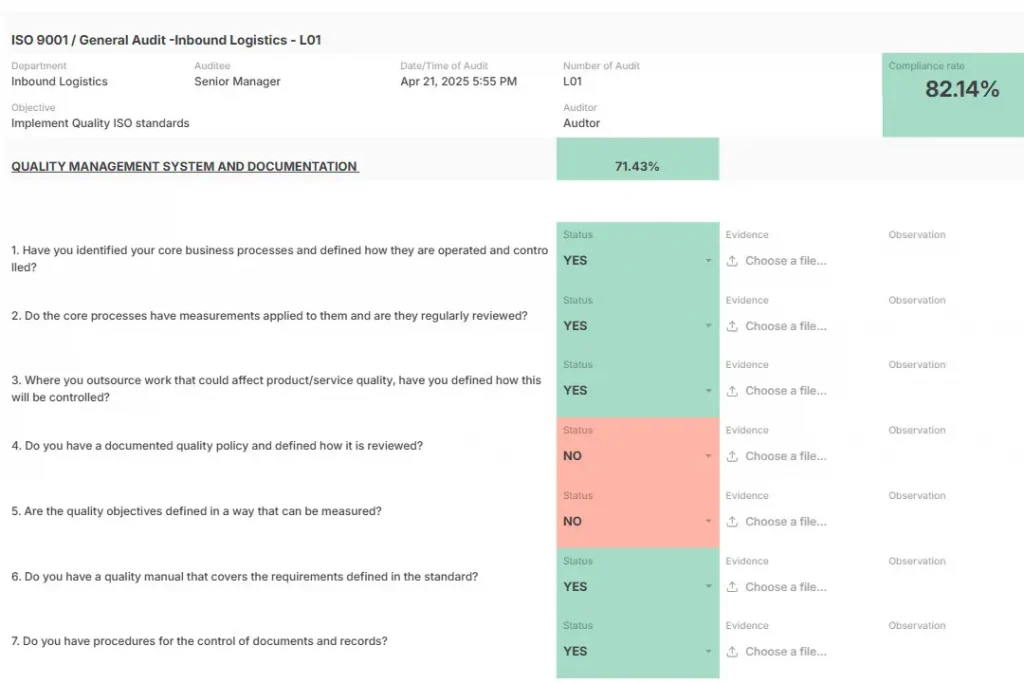
Standardized procedures and traceable records prevent fines, tax inconsistencies, and supplier misclassification. Centralized documentation also simplifies internal and external audits, keeping approvals and documents in one accessible system.
Risk Reduction
Onboarding is the ideal moment to spot warning signs (financial, legal, or ethical). Verifying licenses, certificates, and compliance history helps safeguard the company from fraud, sanctions, and unqualified vendors.
Operational Efficiency
Automating steps and reducing manual emails or spreadsheets speeds up the procurement cycle. Connected workflows allow teams to approve new suppliers faster with less rework.
Transparency and Accountability
Centralized information ensures everyone works with accurate and current data, improving visibility into who approved what, when, and why.
Long-Term Relationships
A smooth onboarding process communicates professionalism and reliability from the first interaction. It strengthens the relationship with suppliers, fostering more productive and sustainable collaborations.
The Key Steps in an Effective Supplier Onboarding Process
Here are the main steps that make up a structured supplier onboarding workflow:
- Supplier Registration
Centralize essential information such as tax, banking, and contact details to ensure all data is complete before starting the verification process.
- Compliance and Risk Screening
Verify qualifications, licenses, legal documents, and financial health. This step reduces risk and ensures that only trustworthy partners are approved.
- Internal Vetting and Approval
Establish clear approval chains across procurement, finance, and compliance teams to streamline decision-making and accountability.
- Contract and Document Exchange
Manage contracts, NDAs, insurance policies, and other documents in a single location with version control and a complete update history.
- System Integration
Connect supplier records to financial, procurement, or ERP systems to avoid duplicated data and minimize manual rework.
- Training and Continuous Monitoring
After approval, provide suppliers with access to internal platforms and policies so they understand how to operate. Track performance metrics and periodically update required documents.
Challenges of Manual Supplier Onboarding
As the number of suppliers grows, control gaps and inefficiencies become unavoidable. Here are the main challenges faced by teams still relying on fragmented processes:
- Disconnected Systems and Duplicated Data: When each department maintains spreadsheets or isolated systems, duplicated entries and version conflicts are common. This undermines data reliability and complicates tracking updates.
- Risk of Missing or Expired Documents: With attachments sent via email and files stored locally, it’s easy to lose control over expired certificates, outdated licenses, or unsigned contracts, creating compliance risks and potential legal penalties.
- Lack of Traceability and Slow Approvals: Without a centralized history, it’s difficult to see who approved what and when. This impacts transparency and delays critical decisions, especially for processes involving multiple departments such as procurement and legal.
- Limited Visibility into Supplier Status or Risk: The absence of dashboards and real-time alerts prevents teams from tracking onboarding progress, spotting bottlenecks, or identifying high-risk suppliers.
Modern platforms like AnyDB make a tangible difference by centralizing data, automating checks, and ensuring end-to-end visibility throughout the onboarding process.
How AnyDB Simplifies Supplier Onboarding?
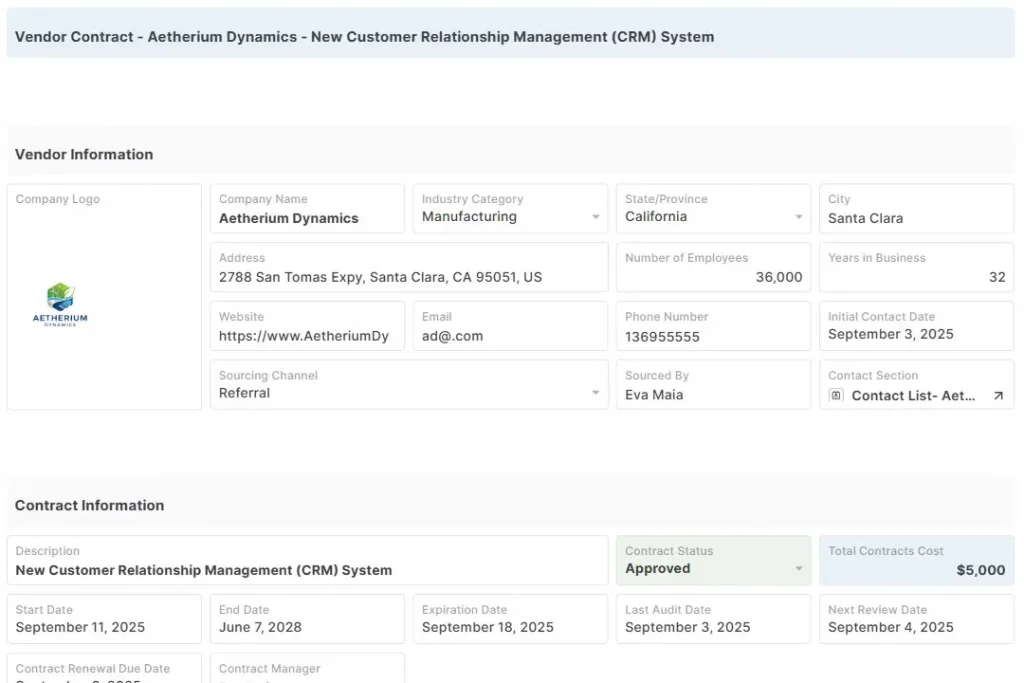
Your company can improve supplier onboarding using AnyDB, which connect the entire workflow, making it more transparent and automated.
For example, with the Business External Process Guide, you can create secure public forms so suppliers can submit information, documents, and registrations.
Each submission automatically creates a record in the database, notifies the internal owner, and can be tracked with statuses like “New Supplier,” “Under Review,” or “Approved.” This keeps all communication centralized, with no endless email chains.
Additionally, AnyDB allows you to configure detailed access permissions for audit, finance, and compliance teams. The File Sharing feature lets you send and track documents directly within the platform, controlling who can view, edit, or download files, both internally and externally.
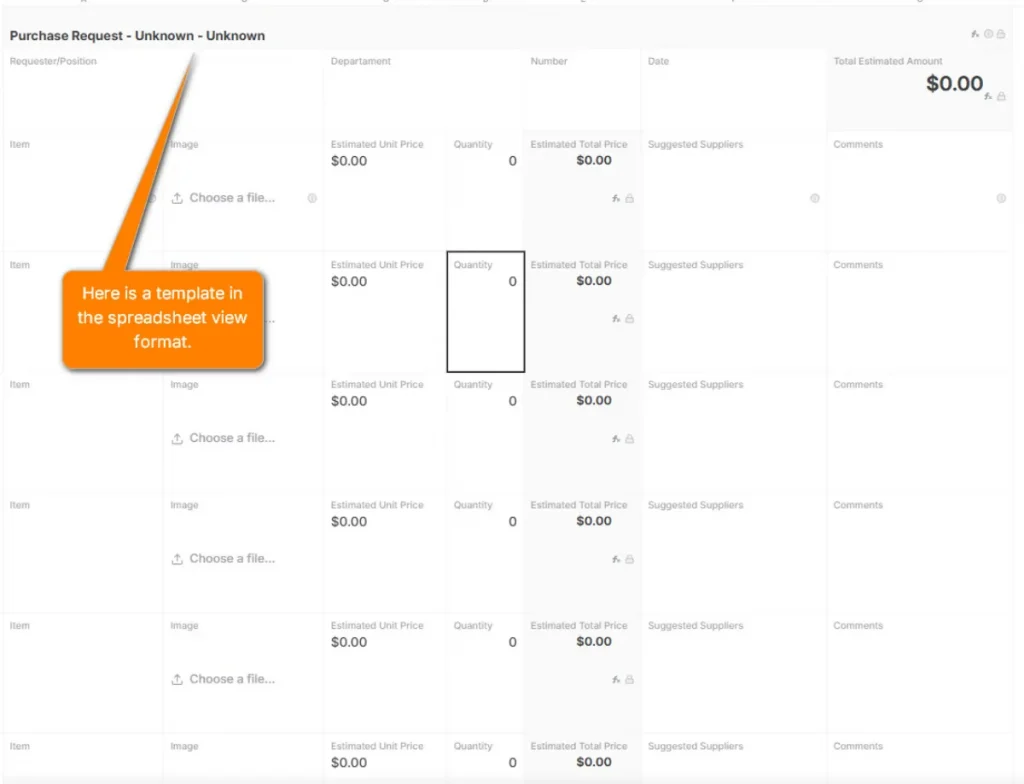
Another advantage is the ability to link supplier records to purchase requests, invoices, and internal approvals. For instance, by connecting a supplier to a Purchase Request Template, you can track everything from onboarding to invoice issuance with full traceability.
You can also monitor each supplier’s status, document updates, review deadlines, and pending approvals with visual dashboards that update automatically. Plus, you can invite unlimited suppliers without additional costs per external user, which is ideal for procurement, finance, or audit teams managing a high volume of partners.
The platform also integrates with other workflows, such as Invoice Management, allowing you to oversee from approval to payment.
By combining forms, permissions, traceability, and interactive dashboards, AnyDB turns supplier onboarding into a structured, auditable, and scalable process.
Start your free AnyDB workspace today and create a complete supplier onboarding system!
From Manual Chaos to Streamlined Control
Supplier onboarding doesn’t have to be a compliance headache. AnyDB can help you connect forms, workflows, and permissions in one secure hub, providing full visibility from the first document to ongoing supplier management.
The result is a faster, more transparent, and auditable process without scattered spreadsheets or lost emails. Procurement, compliance, and finance teams can act proactively, identify bottlenecks, and keep all records under control.
Start your onboarding workflow today with AnyDB’s ready-to-use templates!
FAQs About Supplier Onboarding
Got questions about supplier onboarding? Check the answers below:
What is supplier onboarding?
It is the process of registering, validating, and integrating new suppliers, ensuring all necessary information, qualifications, and documents are accurate and complete.
What are the steps in supplier onboarding?
They include supplier registration, compliance and risk verification, internal approval, contract and document exchange, system integration, and continuous monitoring.
How can I automate supplier onboarding?
Modern platforms like AnyDB allow you to create digital forms, automated workflows, alerts, and dashboards, eliminating manual processes and speeding up approvals.
What are the benefits of using software for supplier onboarding?
Reduced errors, increased transparency, ensured compliance, faster approval cycles, centralized data, and better collaboration with suppliers.

The End-to-End Operations System that Finally Fits Your Reality.
No more scattered spreadsheets or rigid, disconnected tools.
AnyDB is a modern, customizable platform for managing business records and operations across teams, clients, and partners.
Learn More


Phone: (512)-761-7979
© 2024 Humanly Inc. All rights reserved.
What is AnyDB?
AnyDB is a unified, customizable data store designed to streamline and empower your entire organization. Effortlessly store, organize, and share custom business data to drive both internal and external operations across teams. Think of it as spreadsheets on steroids.Perfect for Sales, Marketing, Operations, HR, and beyond. Discover AnyDB