
Published on May 20, 2026


Pharmacy inventory management is the operational process pharmacies use to control medication stock, expiration dates, replenishment, and inventory movement across daily operations.
In practice, it is far more than counting boxes on shelves. Pharmacies manage regulated, time-sensitive products that directly affect patient care, financial performance, and compliance.
That is why inventory visibility matters so much. Teams need to know what is in stock, what is running low, which batches are approaching expiration, where medications are stored, and how inventory is moving over time.
Without that level of control, pharmacies quickly face problems such as expired medication waste, stockouts of essential drugs, overordering, and manual reconciliation work.
What Is Pharmacy Inventory Management?
Pharmacy inventory management is the process of tracking, storing, replenishing, and controlling medications throughout their lifecycle inside a pharmacy operation. Its goal is to maintain the right medication availability while reducing waste, avoiding expired stock, and preventing shortages or overstocking.
In practice, this involves monitoring inventory levels, expiration dates, supplier deliveries, reorder points, and medication movement in real time.
Why Pharmacy Inventory Management Matters
Every inventory decision impacts medication availability, operational costs, patient service, and regulatory exposure.
When inventory control is weak, pharmacies often experience the same operational problems repeatedly:
- Essential medications running out unexpectedly;
- Expired products accumulating on shelves;
- Emergency purchasing at higher costs; and
- Teams spending hours reconciling stock manually.
The challenge becomes even more critical because medications are time-sensitive and highly regulated. Pharmacies must control expiration dates, batch tracking, supplier records, and replenishment cycles while still keeping medications consistently available for patients.
That is why pharmacy inventory management is not simply a purchasing process. It is an operational system for balancing availability, expiration control, financial efficiency, and compliance at the same time.
Core Pharmacy Inventory Management Strategies
Pharmacy inventory management depends heavily on operational discipline. Pharmacies are not only managing product quantity, but also expiration risk, purchasing costs, medication availability, and regulatory control at the same time.
That is why most inventory strategies focus on prioritization, stock rotation, and demand control.
Instead of treating every medication equally, pharmacies use structured methods to decide which products require tighter monitoring, faster replenishment, or stricter expiration management.
ABC Analysis
ABC analysis helps pharmacies prioritize inventory based on value and operational importance.
- “A” items are high-value or high-impact medications that require tighter control and more frequent monitoring;
- “B” items are moderate-priority products;
- “C” items are lower-cost medications with simpler control needs.
The 80/20 Rule
In many pharmacies, a relatively small portion of medications drives most prescription volume or revenue.
Applying the 80/20 principle helps teams identify which products need closer tracking, faster replenishment, and more accurate forecasting.
Lean Inventory
Lean inventory focuses on reducing excess stock while still maintaining enough medication availability to meet patient demand consistently.
FEFO: First Expired, First Out
FEFO (First Expired, First Out) ensures medications with earlier expiration dates are dispensed first, reducing waste caused by expired stock.
Key Features of a Pharmacy Inventory Management System
A pharmacy inventory management system is only effective if it supports the operational realities of medication control.
That means tracking inventory movement continuously, monitoring expiration dates closely, automating replenishment decisions, and maintaining accurate traceability across purchasing, dispensing, and audits.
The features below are the ones that usually have the biggest operational impact.
Perpetual Inventory Tracking
Perpetual inventory systems update stock levels continuously as medications are received, dispensed, adjusted, transferred, or returned.
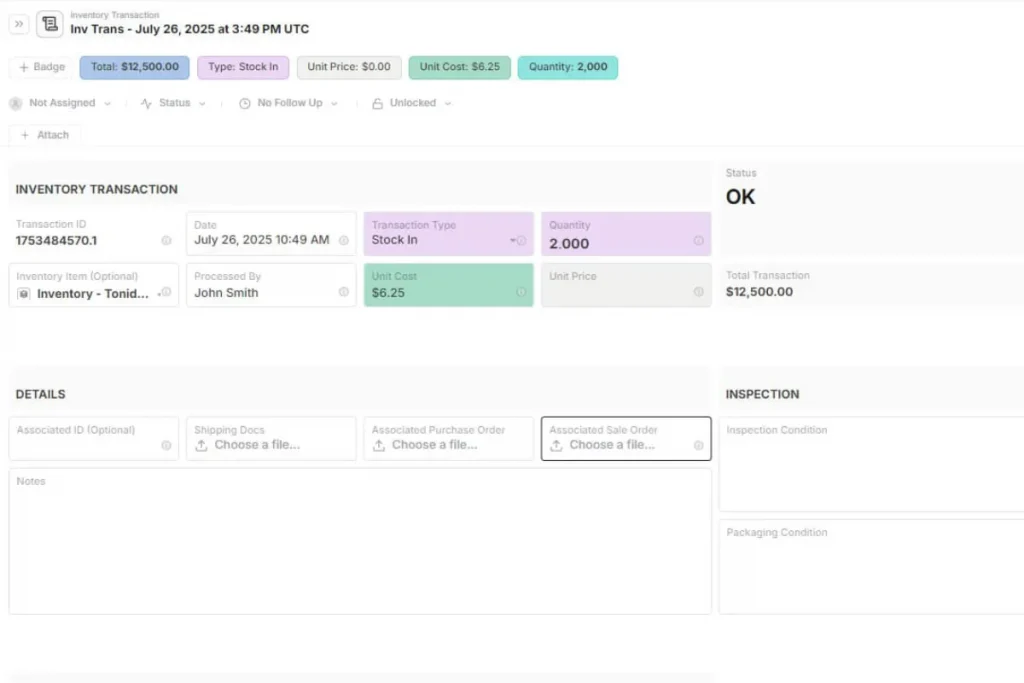
This reduces manual reconciliation work and improves inventory accuracy throughout daily operations.
Expiration Date Tracking
Expiration tracking gives pharmacies visibility into medication batches approaching expiration, helping teams rotate stock properly and reduce financial losses caused by expired drugs.
Automated Reorder Points
Automated reorder thresholds generate alerts when inventory falls below minimum levels. This helps pharmacies avoid stockouts without relying entirely on manual monitoring.
Demand Forecasting
Forecasting tools use prescription history, purchasing behavior, and seasonal demand patterns to anticipate future inventory needs more accurately.
Barcode and Batch Tracking
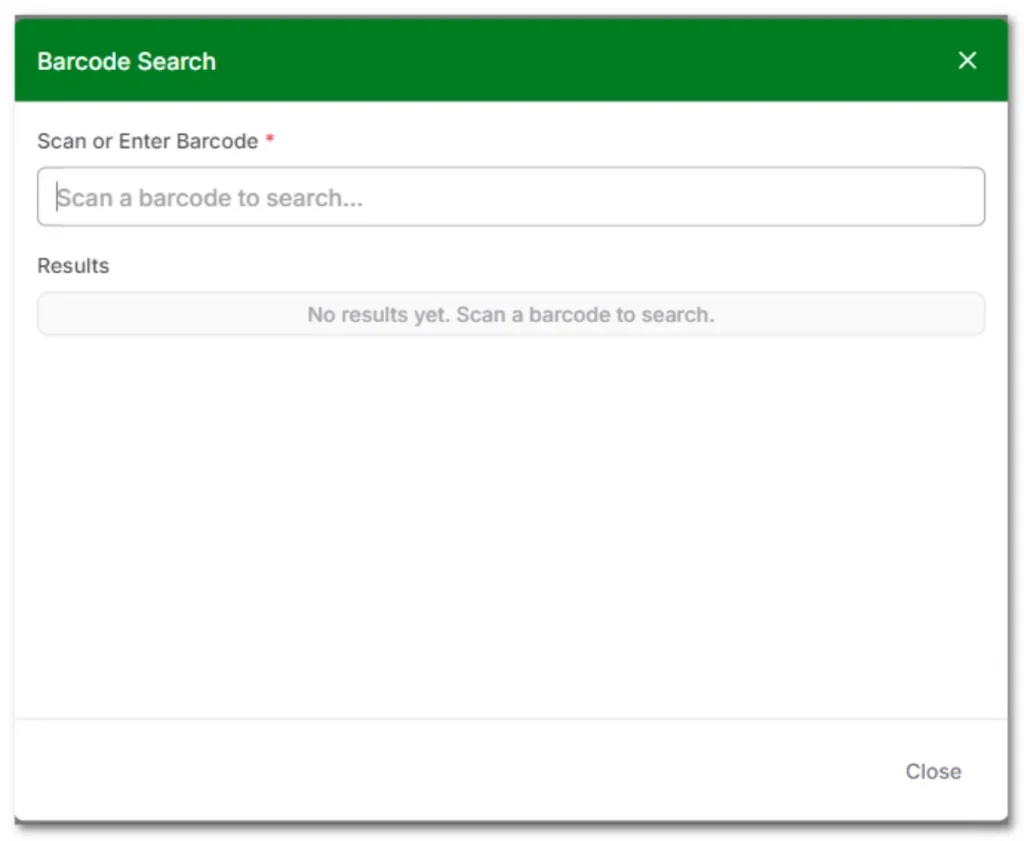
Barcode scanning and batch-level tracking improve accuracy during receiving, dispensing, audits, and stock verification processes while also strengthening traceability and compliance.
How AnyDB Supports Pharmacy Inventory Management
AnyDB approaches pharmacy operations differently. Instead of forcing you into a rigid, expensive ERP or relying on fragmented spreadsheets that require manual end-of-day counting, AnyDB acts as a live, object-based operational system built for your exact workflow:
- Scan-Based Inventory via Mobile: Because every record in AnyDB natively supports QR and barcode integration, technicians can use the mobile app to scan items as they are consumed during compounding or dispensing.
- Medications as Connected Objects: A medication or consumable is a structured, interactive object that can be directly attached to its Supplier record, Purchase Order, and Storage Location. Your team gets instant purchasing context and pricing history without switching tools.
- Transaction-Based Traceability: Every adjustment or dispensing action is logged as a specific “Stock In” or “Stock Out” transaction record. Instead of simply overwriting a quantity cell, AnyDB creates a permanent, audit-ready ledger of every movement.
- Automated Alerts for Stock and Compliance: You can set automated thresholds that trigger alerts when stock runs low based on actual usage. Furthermore, because AnyDB connects all your data, you can track staff compliance, like compounding certifications and licenses, in the same system, triggering reminders before a critical credential expires.
The Result: Independent and compounding pharmacies gain the operational control and audit-ready traceability of an enterprise system, but with the flexibility to adapt the templates to how their team actually works.
Pharmacy Inventory Management Depends on Structured Operations
Effective pharmacy inventory management is not only about keeping medications in stock. It depends on maintaining accurate, traceable control over expiration dates, replenishment, suppliers, stock movement, and inventory decisions across the entire operation.
As inventory complexity grows, disconnected spreadsheets and manual processes become harder to sustain reliably. Pharmacies need systems that help teams maintain operational visibility without adding unnecessary complexity.
AnyDB helps pharmacies structure inventory workflows around real operational records, from medications and batches to suppliers, purchase orders, and replenishment processes, all inside one connected system.
Book a free demo to see how AnyDB can help structure pharmacy inventory workflows around stock, expiration dates, suppliers, and reordering!
Frequently Asked Questions About Pharmacy Inventory Management
Pharmacy inventory management involves much more than counting medications on shelves. Below are some of the most common questions pharmacies have about inventory control, expiration management, and operational workflows:
How do you manage pharmacy inventory?
Pharmacy inventory is managed by tracking medication stock levels, expiration dates, supplier orders, dispensing activity, and replenishment cycles in a structured system.
What is the 80/20 rule in pharmacy inventory?
The 80/20 rule suggests that a relatively small percentage of medications usually drives most prescription volume or inventory value, requiring closer monitoring.
What is FEFO in pharmacy inventory management?
FEFO means “First Expired, First Out.” It ensures medications with earlier expiration dates are dispensed before newer inventory.
Can pharmacies manage inventory in Excel?
Small pharmacies may start with Excel, but spreadsheets become difficult to maintain as inventory volume, expiration tracking, and operational complexity increase.
What features should pharmacy inventory management software have?
Key features include expiration tracking, perpetual inventory updates, reorder alerts, batch tracking, supplier management, and inventory movement history.

The End-to-End Operations System that Finally Fits Your Reality.
No more scattered spreadsheets or rigid, disconnected tools.
AnyDB is a modern, customizable platform for managing business records and operations across teams, clients, and partners.
Learn More


Phone: (512)-761-7979
© 2024 Humanly Inc. All rights reserved.
What is AnyDB?
AnyDB is a unified, customizable data store designed to streamline and empower your entire organization. Effortlessly store, organize, and share custom business data to drive both internal and external operations across teams. Think of it as spreadsheets on steroids.Perfect for Sales, Marketing, Operations, HR, and beyond. Discover AnyDB