
Published on January 19, 2026


As businesses scale, managing external collaboration becomes harder. Without a reliable structure, data gets scattered across meetings, emails and spreadsheets, opening the door to delays, errors, and lost trust. A partners portal fixes that by centralizing all partner interactions in a secure digital workspace where each vendor, reseller, or franchisee sees exactly what matters to them.
It connects data, workflows, and teams in real time, maintaining both visibility and control.
Thus, a partner management portal acts as an operational extension of your company, enabling external collaborators to work with full transparency and accountability.
What Is a Partners Portal?
A partners portal is an online platform designed to manage communication, files, and workflows between a company and its external partners. It bridges internal teams and external agents such as suppliers, distributors, resellers, and franchisees.
Unlike a customer portal that serves end clients, this collaboration platform is built for B2B ecosystems where controlled collaboration and operational visibility are critical.
In daily operations, vendors can upload compliance certificates and invoices directly into the system. Resellers access updated marketing materials and product catalogs without delays. Franchisees monitor audits, KPIs, and performance feedback securely and in real time.
Together, these interactions create a connected network that runs with clarity, reliability, and speed.
Why Companies Need a Modern Partner Portal?
Partner collaboration remains one of the toughest challenges for growing companies. When key workflows still depend on emails, spreadsheets, and shared folders, data duplication, compliance issues, and poor decision-making follow quickly.
A modern partner collaboration platform solves this by consolidating every external process into one connected, secure hub. It replaces improvisation with structure, visibility, and control.
Common challenges a partner portal eliminates:
- Fragmented communication and lack of traceability;
- Data duplication and versioning issues;
- Unauthorized access to sensitive information;
- Slow, inconsistent audits;
- Rising costs from isolated tools and extra licenses.
With a vendor and partner portal, your business simplifies collaboration, cuts costs, and ensures end-to-end security. In practical terms, this means:
- Vendors can submit compliance certificates automatically linked to contracts;
- Franchisees access real-time KPIs;
- Resellers update product catalogs with instant system-wide visibility.
Beyond efficiency, the impact is strategic. A well-structured partner communication platform builds transparency, agility, and trust: the foundation of a strong, scalable partner ecosystem.
Building a Partners Portal in AnyDB
Creating a partners portal in AnyDB means unifying internal and external operations in a single, secure, and flexible system. The platform adapts to your business model, ensuring permissions and data stay synchronized in real time.
How to build your partner management portal:
- Centralize partner data
Store contracts, audits, invoices, and compliance documents in a connected partner database tied to onboarding, performance, and compliance workflows.
- Set specific permissions
Control access by record, group, or role. Vendors see their orders, franchisees see audits, resellers see price lists.
- Create smart forms
Allow partners to submit information that automatically converts into new records. No more emails or non standardized files.
- Link related records
Connect contracts, documents, and audits for consistency and traceability.
- Share custom dashboards
Give partners real-time visibility into KPIs, audits, and deadlines.
- Invite partners with no extra cost
The system supports unlimited guest users; scale freely without license overhead.
- Brand your portal
Add your company’s logo, visuals, and tone to create a branded collaboration experience.
With these tools, AnyDB becomes a full partner relationship management software, linking people and processes seamlessly, no complex integrations required.
Want to see it in action?
Watch the video “How to set up your customer, vendor, and partner portal using AnyDB” to learn how to create a connected, secure, and scalable system for your business:
Real-World Use Cases
Companies managing multiple external partners need more than file sharing. They need visible, structured collaboration. AnyDB lets you create dedicated portals for each relationship type, ensuring operational efficiency and compliance.
Here’s how different teams use the partner portal to eliminate friction and accelerate results:
Vendor Collaboration
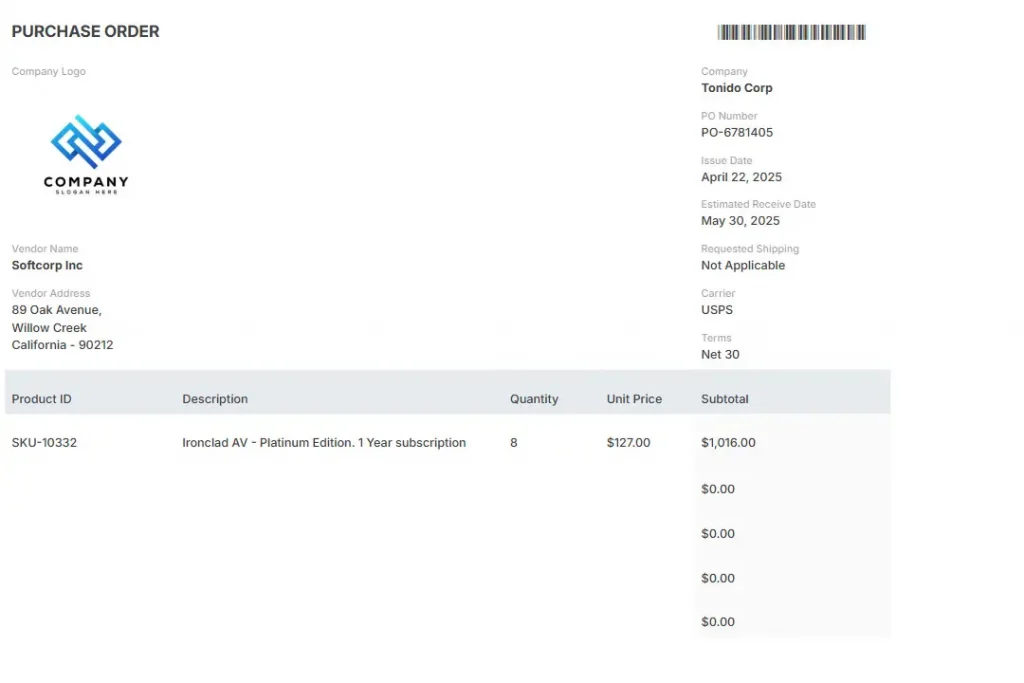
Managing suppliers via email is a recipe for chaos. The vendor portal in AnyDB centralizes every exchange:
- Centralized purchase orders and invoices;
- Automated approval trails;
- Up-to-date compliance tracking.
Franchise Management
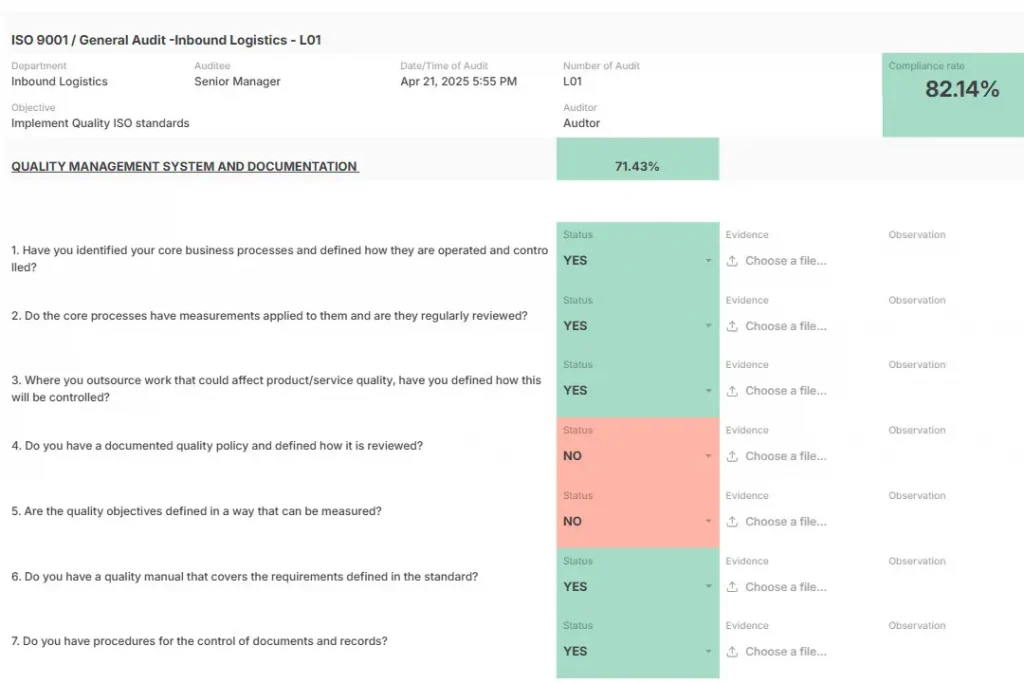
Each franchise needs autonomy, but must stay aligned with brand standards. The franchisee portal in AnyDB provides real-time access to audits, checklists, and performance KPIs:
- Automated, trackable checklists;
- Integrated ISO audits;
- Unit-level dashboards.
Channel Partner Program
Distributors and resellers handle constant information flow. The channel partner portal keeps campaigns, catalogs, and leads organized and synchronized:
- Leads and contacts in an integrated CRM;
- Product feedback and NPS tracking;
- Always up-to-date marketing materials.
Procurement Workflows
Traditional purchasing workflows are slow and hard to audit. The procurement portal in AnyDB consolidates RFPs, contracts, and requests into one auditable system.
- Linked contracts and requests;
- Automated approval routing;
- Consolidated cost and delivery dashboards.
These templates are just the start. Build your own partner portal in AnyDB and bring every collaboration workflow into one system!
Get Started with a Partner Portal in AnyDB
Building a partner portal in AnyDB takes minutes, but it transforms how your business collaborates externally. Instead of juggling disconnected tools, you get a secure, scalable, and connected workspace.
Here’s how to get started:
Step 1: Create your Partner Management Database
Use the Vendor Management templates as a foundation and add partner records.
Step 2: Add essential templates
Include Partner Records, Partner Contracts, and Partner Onboarding to organize workflows.
Step 3: Set granular permissions
Define access rules by partner type, region, or role to ensure data security.
Step 4: Share live dashboards
Give partners, vendors, and franchisees real-time visibility into metrics and reports.
Your company gains a fully functional, secure partner portal designed to scale with your network and strengthen collaboration, visibility, and operational trust.
Start free and build your Partner Portal in AnyDB!
Connect your partners, vendors, and franchisees securely in a single system, without extra license costs (yes: you can invite unlimited guests in AnyDB!).
FAQ About Partners Portal
Still have questions? Here are some quick answers to help you understand how a partners portal works and why it matters for your business.
What is a partners portal used for?
It’s a secure workspace for managing communication, files, and operations with vendors, resellers, and franchisees in one connected system.
How does a partners portal differ from a customer portal?
While a customer portal serves end clients, a partners portal connects B2B collaborators.
What should a partner portal include?
It should centralize communication, file sharing, onboarding, offboarding, contracts, and performance tracking while ensuring security and transparency.
Can I create a partner portal without coding?
Yes. With AnyDB, you can set up and customize your partner management portal using ready-to-use templates. No coding required.
How does AnyDB keep partner data secure?
Access is managed at the record level, ensuring each partner only sees what’s relevant to them. All data stays protected within a unified, permission-based system.

The End-to-End Operations System that Finally Fits Your Reality.
No more scattered spreadsheets or rigid, disconnected tools.
AnyDB is a modern, customizable platform for managing business records and operations across teams, clients, and partners.
Learn More


Phone: (512)-761-7979
© 2024 Humanly Inc. All rights reserved.
What is AnyDB?
AnyDB is a unified, customizable data store designed to streamline and empower your entire organization. Effortlessly store, organize, and share custom business data to drive both internal and external operations across teams. Think of it as spreadsheets on steroids.Perfect for Sales, Marketing, Operations, HR, and beyond. Discover AnyDB