
Published on May 15, 2026


A pharmacy management system becomes essential when pharmacy operations start losing visibility across prescriptions, inventory, billing, and compliance workflows.
Many pharmacies still operate with fragmented processes. Dispensing happens in one system, inventory adjustments in another, and operational reporting somewhere else.
Over time, teams stop trusting the data because every number needs verification before action.
This creates a hidden operational cost. Pharmacists and managers spend too much time validating stock levels, checking billing inconsistencies, and reconciling prescription records instead of improving workflows and patient service.
As prescription volume increases, operational complexity grows faster than most pharmacies expect.
A structured pharmacy management system connects all workflows into a shared operational environment. Prescriptions, stock movement, patient records, and financial processes operate on the same data foundation, allowing teams to work with greater accuracy and consistency as operations scale.
What Is A Pharmacy Management System?
A pharmacy management system (PMS) is the operational infrastructure pharmacies use to manage prescriptions, inventory, billing, patient records, and daily workflows within a centralized environment.
In practice, the system acts as the operational layer connecting pharmacy activities that are typically fragmented across different tools and teams.
A well-structured PMS supports:
- Prescription processing and dispensing;
- Inventory and expiration tracking;
- Billing and insurance workflows;
- Patient record management;
- Operational reporting and compliance control.
The biggest operational advantage is not automation alone. It is data continuity.
A pharmacy management system creates a shared data structure where operational information updates in real time across the pharmacy.
If a prescription is filled, inventory changes immediately.
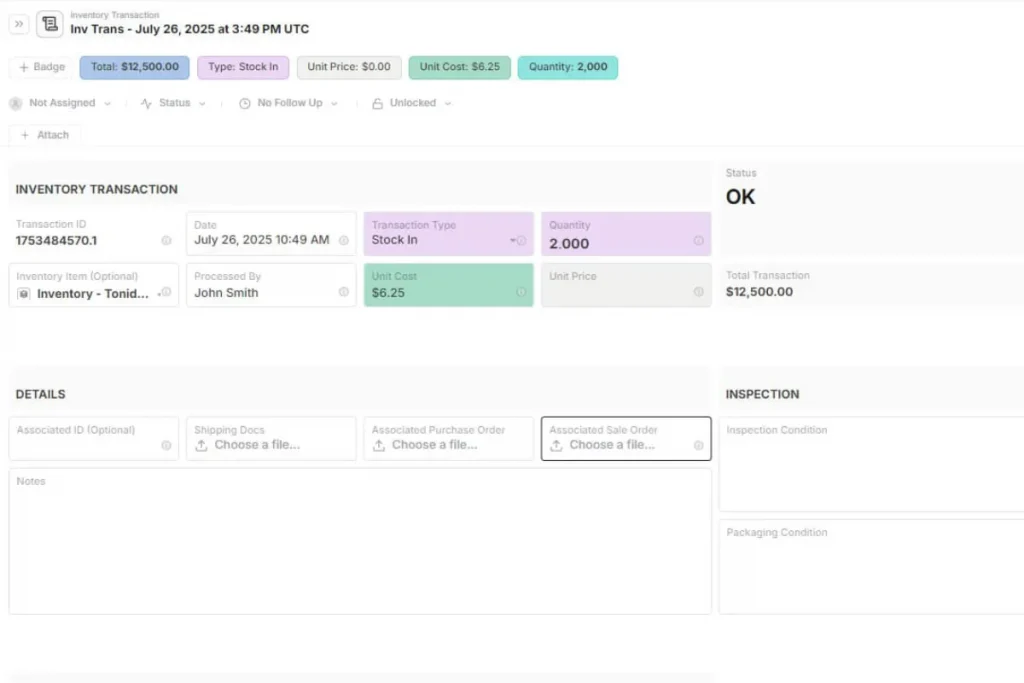
If stock levels change, purchasing decisions can be adjusted without waiting for manual reports.
This operational consistency becomes increasingly important as pharmacies scale. More prescriptions, more SKUs, and more compliance requirements create a level of complexity that manual coordination cannot sustain efficiently.
The quality of the system also matters. Many pharmacy software platforms automate tasks but remain rigid operationally. As workflows evolve, pharmacies often introduce spreadsheets and side processes to compensate for system limitations, recreating fragmentation inside the operation itself.
Key Features Of Pharmacy Management Systems
A pharmacy management system directly affects how pharmacies process prescriptions, control inventory, manage financial workflows, and maintain compliance. The quality of these operational structures determines how efficiently the pharmacy can scale without losing visibility or control.
Here are the core features you should know about:
Prescription Processing & Dispensing
Prescription processing structures the entire dispensing workflow, from prescription intake to medication delivery and refill management.
The operational challenge is not simply speed. It is maintaining accuracy while processing a growing volume of prescriptions across multiple workflows simultaneously.
A reliable dispensing system creates traceability across the operation. Pharmacies can track:
- Who processed a prescription;
- What inventory was affected;
- When the medication was dispensed; and
- How the workflow progressed.
This becomes especially important in environments with high prescription turnover or multiple pharmacy locations.
The strongest systems also reduce operational dependency on manual validation by standardizing how prescription data moves through the workflow.
Inventory Management
Inventory management controls medication availability, stock movement, expiration dates, and replenishment workflows.
This is one of the most operationally sensitive areas inside a pharmacy because inventory issues affect almost every other process. A stock discrepancy impacts dispensing, purchasing, billing, and patient service simultaneously.
As pharmacies scale, inventory complexity increases faster than many operational models can support.
Thousands of SKUs, expiration cycles, supplier dependencies, and controlled substances create a level of operational pressure that spreadsheets cannot manage reliably.
A structured pharmacy inventory system provides real-time visibility into stock levels, movement history, expiration risk, and supply patterns, allowing teams to make operational decisions with greater confidence.
Billing & Claims Management
Billing workflows inside pharmacies are deeply connected to operational accuracy. Claims processing depends on prescription data, inventory availability, insurance validation, and patient information all operating consistently together.
When these workflows are disconnected, pharmacies spend significant time correcting claims, validating reimbursements, and resolving payment inconsistencies manually.
A centralized billing system improves financial reliability by connecting claims processing directly to dispensing and inventory workflows. This reduces operational friction and accelerates reimbursement cycles.
Patient Management
Patient management centralizes prescription history, medication records, counseling information, and operational interactions into a structured patient profile.
This improves more than accessibility. It creates continuity across pharmacy operations.
Pharmacists gain immediate access to historical information that supports safer dispensing decisions and more consistent patient service. Teams also reduce operational dependency on fragmented records or individual staff knowledge.
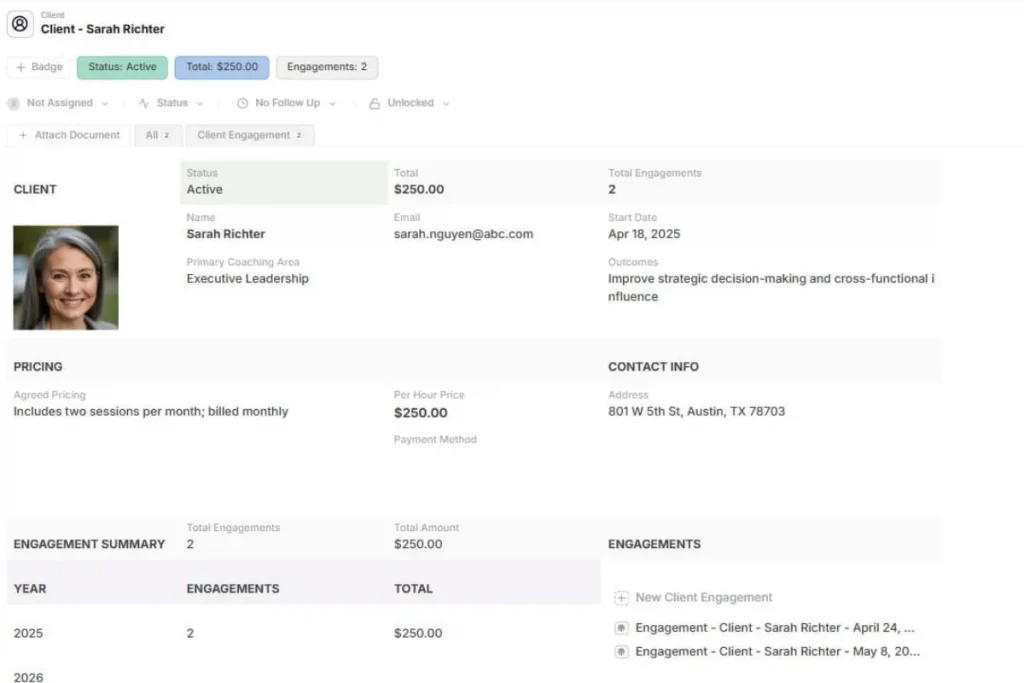
As patient expectations increase, pharmacies need systems capable of supporting both operational efficiency and long-term relationship management.
Reporting & Analytics
Reporting systems provide visibility into:
- Operational performance;
- Prescription volume;
- Inventory movement;
- Reimbursement trends; and
- Pharmacy productivity.
The operational value of analytics depends almost entirely on data quality. If workflows operate across disconnected systems, reporting becomes reactive because teams spend more time validating numbers than analyzing operations.
Reliable pharmacy analytics require a structured operational environment where dispensing, inventory, billing, and patient workflows operate on the same data foundation.
This allows managers to identify inefficiencies earlier, monitor KPIs consistently, and improve operational planning with more confidence.
Regulatory Compliance
Compliance management structures how pharmacies handle prescription records, controlled substances, operational documentation, and audit requirements.
The challenge is rarely the regulation itself.
When compliance workflows depend on spreadsheets, disconnected records, or manual reconciliation, it is difficult to maintain traceability consistently.
A pharmacy management system improves audit readiness by centralizing operational records and creating a clearer history of inventory movement, dispensing activity, and controlled substance tracking.
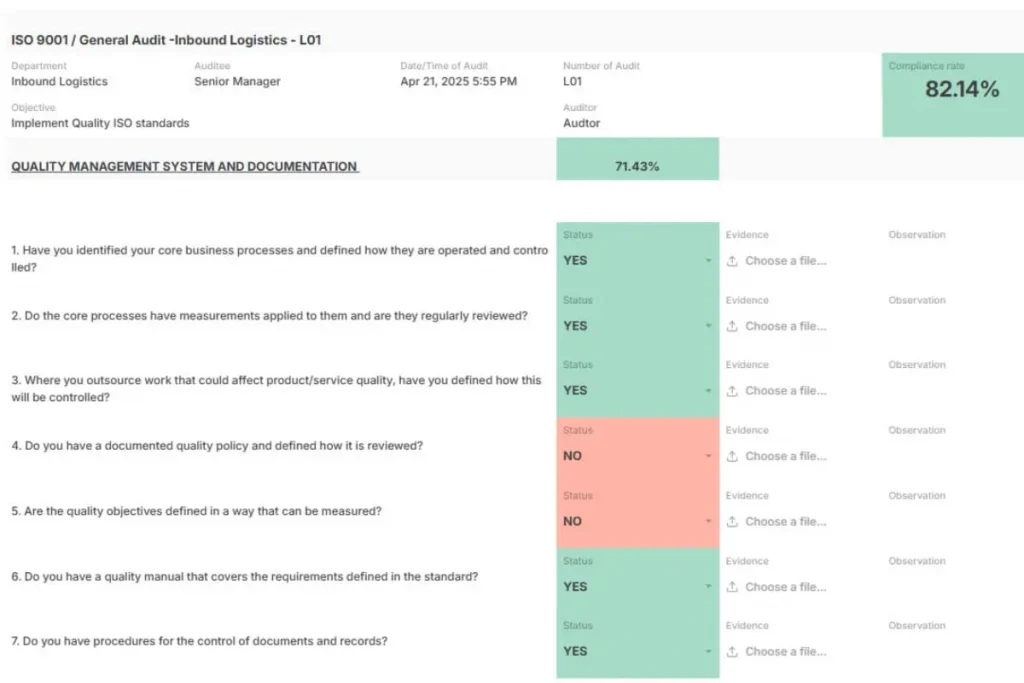
This reduces operational exposure while making compliance processes easier to manage as the pharmacy grows.
Case Study: How A Compounding Pharmacy Replaced Manual Inventory Tracking With Real-Time Operations
An independent compounding pharmacy in the United States was managing nearly 300 consumable inventory items across multiple storage locations while also tracking staff certifications, licenses, and safety equipment.
As operations expanded, spreadsheets became increasingly difficult to maintain accurately. Inventory counts depended on manual shelf checks, stock updates happened at the end of the day, and purchasing decisions relied heavily on estimates.
The operational issue was not lack of process.
The problem was that inventory, supplier data, compliance records, and staff information operated separately, creating constant reconciliation work.
After implementing AnyDB, the pharmacy shifted to a scan-based operational model. Inventory movements started being recorded through barcode scans during daily workflows, allowing stock levels to update instantly instead of relying on delayed spreadsheet entries.
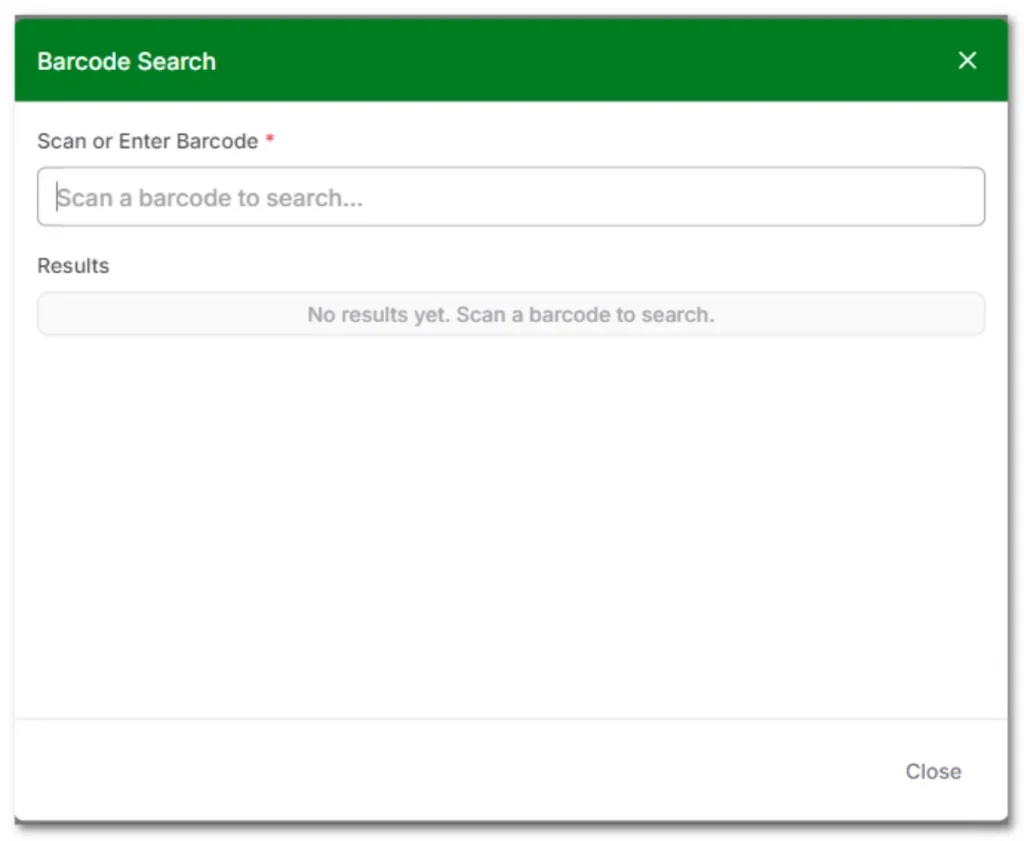
Supplier information, inventory records, compliance documents, and employee data became connected inside the same operational system.
This changed how decisions were made operationally. Teams stopped validating information manually before taking action because the data stayed accurate continuously during execution.
The results included:
- Inventory reconciliation time reduced from approximately 3 hours per week to under 30 minutes;
- Manual inventory data entry reduced by roughly 70%;
- Stockouts reduced by 30–50% through earlier low-stock visibility;
- Compliance tracking shifted from manual reminders to automated alerts.
AnyDB allowed the pharmacy to structure workflows around how the business actually operates instead of adapting processes to rigid software limitations.
Book a free demo call with AnyDB and see how your pharmacy operations can run on connected, real-time data.
Frequently Asked Questions About Pharmacy Management System
Here are the answers to the most common questions:
What Is a Pharmacy Management System?
A pharmacy management system is software used to manage prescriptions, inventory, billing, patient records, and pharmacy operations within a centralized platform.
What Is A PBM System?
A PBM (Pharmacy Benefit Management) system manages prescription drug benefits between insurers, pharmacies, and healthcare providers.
What Are The 5 Components Of MTM?
Medication Therapy Management (MTM) typically includes medication review, patient records, action plans, intervention, and follow-up support.

The End-to-End Operations System that Finally Fits Your Reality.
No more scattered spreadsheets or rigid, disconnected tools.
AnyDB is a modern, customizable platform for managing business records and operations across teams, clients, and partners.
Learn More


Phone: (512)-761-7979
© 2024 Humanly Inc. All rights reserved.
What is AnyDB?
AnyDB is a unified, customizable data store designed to streamline and empower your entire organization. Effortlessly store, organize, and share custom business data to drive both internal and external operations across teams. Think of it as spreadsheets on steroids.Perfect for Sales, Marketing, Operations, HR, and beyond. Discover AnyDB