Common Modeling Patterns
This page shows common, proven ways to model real operational systems in AnyDB.
Orders and Line Items
Model
- Order
- Order Line (Children Record)
- quantity
- price
- link → Product
- Order Line (Children Record)
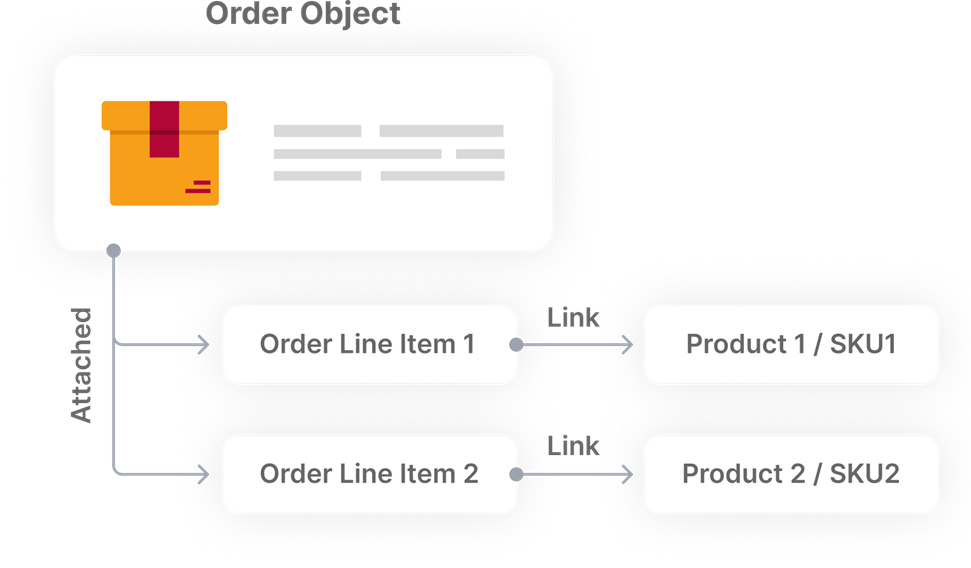
Why this works
- order lines belong to an order → Children Records
- products are reusable → Link
- totals come from order lines
Avoid
- using Product directly as an order line
Inventory and Warehouses
Model
- Warehouse
- Inventory Record (Children Record)
- quantity
- batch / lot
- link → Product
- Inventory Record (Children Record)
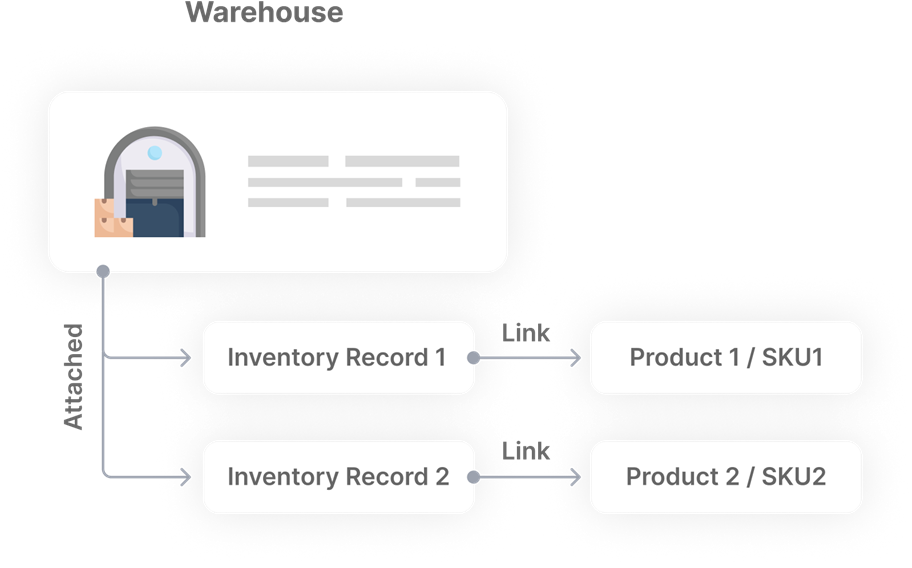
Why this works
- inventory records are physical instances → Children Records
- warehouses aggregate stock
- products stay reusable
Projects and Tasks
Model
- Project
- Task (Children Record)
- status
- due date
- link → Employee
- Task (Children Record)
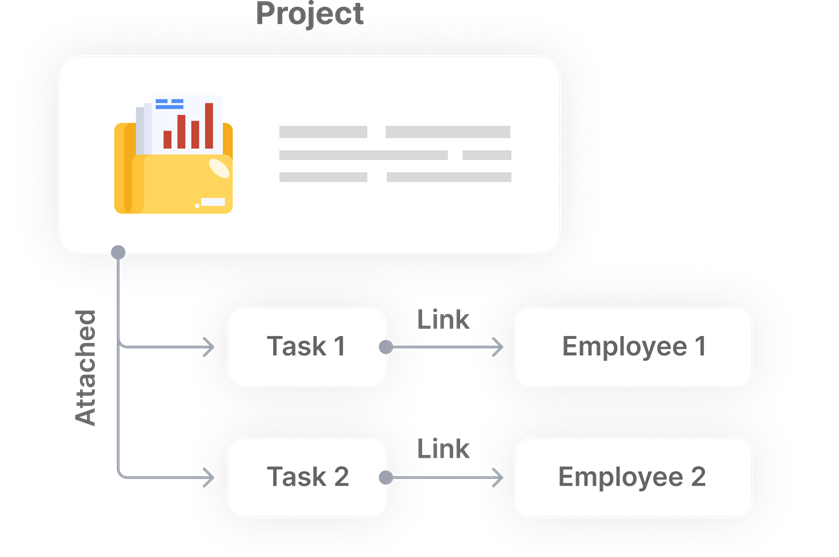
Why this works
- tasks belong to a project → Children Records
- people are reused → Link
Vendors and Purchase Orders
Model
- Vendor
- Purchase Order (Children Record)
- PO Line (Children Record)
- quantity
- cost
- link → Product
- PO Line (Children Record)
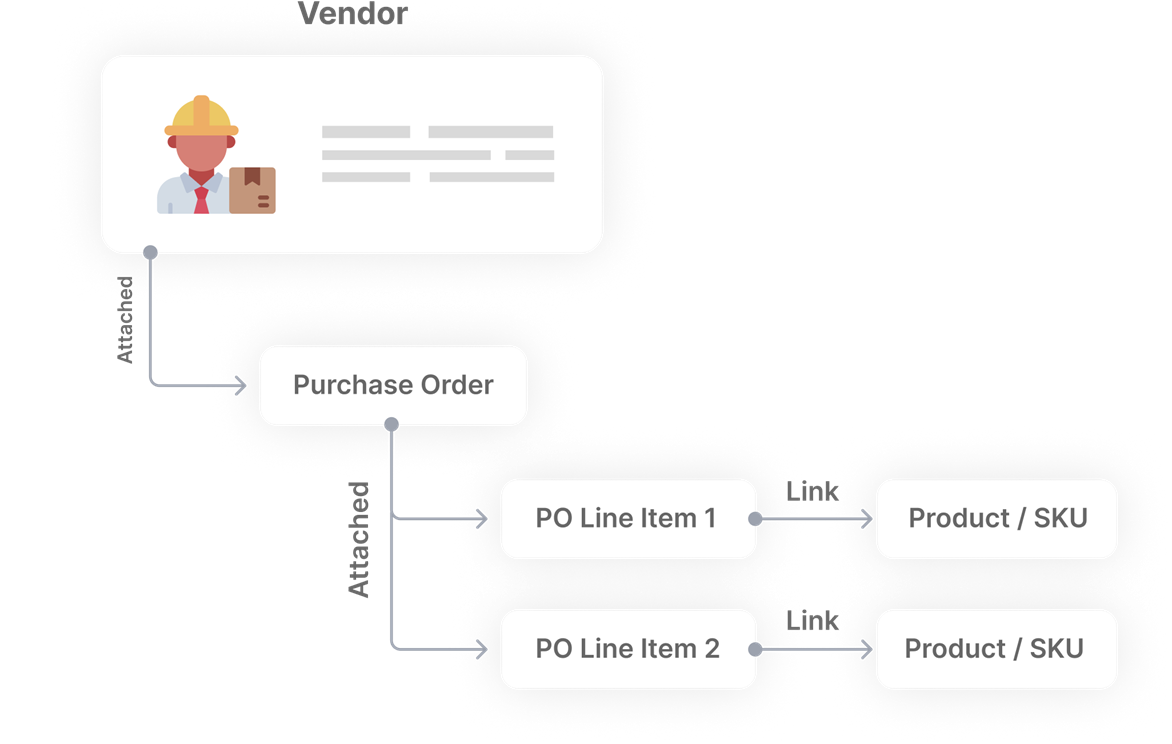
Why this works
- vendors are independent
- POs belong to vendors
- line items belong to POs
- totals roll up cleanly
Simple rule
Ask:
- Does it belong inside something else? → Children Records
- Is it reused across many places? → Link
What to remember
- Use Children Records for structure and totals
- Use Links for reuse
- Most systems use both
Start simple. Expand later.